

Winemaker Notes
Chocolate cream pie, cinnamon, and floral notes fill the glass. Rich and rustic tannins on the mid-palate followed by a softness that carries into the finish.
Professional Ratings
-
Connoisseurs' Guide
It may come at nearly half the price of its single-site siblings, but this is a very well-made wine with a full and explicit Cabernet voice that comes with a good deal less tannic constraint. It starts with a fetching nose of ripe cherries, sweet currants and vanilla and follows with rich, comparatively accessible flavors to match, and, if certainly less in need of age than its cellarmates, it is still seriously structured and sure to grow with time. Give it a few years before pulling it out as a foil to a perfectly grilled ribeye steak, but put a bottle or two away for a half-dozen or so to see it bloom into its polished best.
-
Jeb Dunnuck
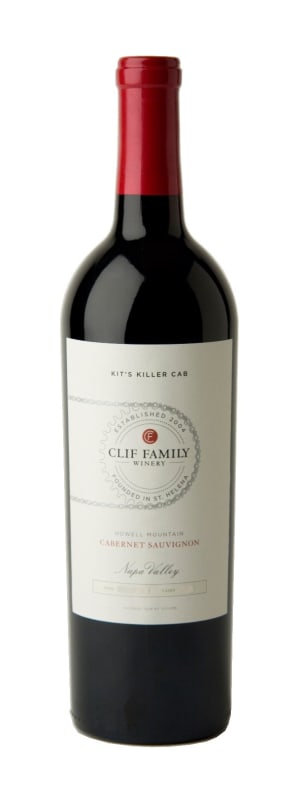
Coming in behind the stellar 2016, the 2017 Cabernet Sauvignon Kits Killer Cab comes all from Howell Mountain and is a delicious, opulent effort that delivers plenty of fruit and texture. Smoked black fruits, roasted herbs, dark chocolate, and graphite notes all dominate the bouquet, and it's plush, round, and supple on the palate. There's chewiness to the tannins (which can be common in 2017), yet as a whole, this is a rich, textured effort that has loads to love.


One of the world’s most classic and popular styles of red wine, Bordeaux-inspired blends have spread from their homeland in France to nearly every corner of the New World. Typically based on either Cabernet Sauvignon or Merlot and supported by Cabernet Franc, Malbec and Petit Verdot, the best of these are densely hued, fragrant, full of fruit and boast a structure that begs for cellar time. Somm Secret—Blends from Bordeaux are generally earthier compared to those from the New World, which tend to be fruit-dominant.

Today Cabernet Sauvignon is the star of this part of Napa’s rugged, eastern hills, but Zinfandel was responsible for giving the Howell Mountain growing area its original fame in the late 1800s.
Winemaking in Howell Mountain was abandoned during Prohibition, and wasn’t reawakened until the arrival of Randy Dunn, a talented winemaker famous for the success of Caymus in the 1970s and 1980s. In the early eighties, he set his sights on the Napa hills and subsequently astonished the wine world with a Howell Mountain Cabernet Sauvignon. Shortly thereafter Howell Mountain became officially recognized as the first sub-region of Napa Valley (1983).
With vineyards at 1,400 to 2,000 feet in elevation, they predominantly sit above the fog line but the days in Howell Mountain remain cooler than those in the heart of the valley, giving the grapes a bit more time on the vine.
The Howell Mountain AVA includes 1,000 acres of vineyards interspersed by forestlands in the Vaca Mountains. The soils, shallow and infertile with good drainage, are volcanic ash and red clay and produce highly concentrated berries with thick skins. The resulting wines are full of structure and potential to age.
Today Cabernet Sauvignon, Merlot and Petite Sirah thrive in this sub-appellation, as well as its founding variety, Zinfandel.