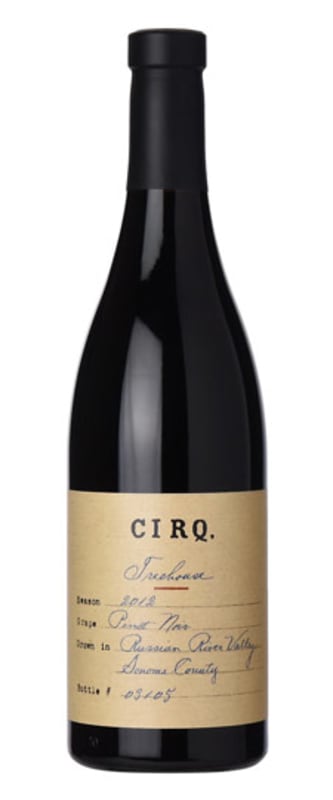


Winemaker Notes
Darker cherry, ripe raspberry, cranberry and pomegranate notes with a dusting of baking spice and forest floor tones. A hint of herbal spice around the edges with traces of tobacco leaf and fig.
Ripe mixed berries and deep, dark bing cherry saturate the mid-palate along with cranberry undertones. The voluptuous fruit is accompanied by bright acidity which expands in all directions and lifts the palate at the end of a long finish.
Treehouse both fills and charms the palate. There’s a plush texture that slowly and fully encompasses the tongue without overpowering it. The feeling is complete but not heady - a sumptuous combination of weight, power and elegance with a silky smooth and satisfying texture.
Professional Ratings
-
Robert Parker's Wine Advocate
Made by the team at Kosta Brown, the 2012 Pinot Noir Treehouse Vineyard comes from iron-rich, red soils and vines at an elevation of 750 feet. It's a beautiful Pinot Noir that offers up classy cassis, liquid flowers, rose petal and ground herbs in its gorgeously textured, layered, and vibrant personality. I love the core of sweet fruit here, and it has integrated acidity and a terrific finish. Hard to resist now, it will evolve nicely for upward of a decade.
-
Wine Spectator
Pure and tight, with vivid plum, cherry and raspberry fruit. This is elegant, refreshing and lively, adding a dash of anise and ending with a clean, snappy fruit vitality. Drink now through 2022.


While the Russian River Valley is a large appellation with multiple climate zones and soil types, it is best known for cool-climate varieties, with Pinot Noir as the most celebrated. The grapes benefit from a reliable late afternoon flow of Pacific Ocean fog through the Petaluma Gap and along the Russian River Valley that ensures slow and steady ripening and the preservation of grape acidity. Today many of California’s most highly regarded Pinot Noir vineyards are in the Russian River Valley, along with its sub-appellation, Green Valley.
Historically Russian River Valley Pinot Noirs had bright red fruit and delicate earthy, mineral notes. But changes in viticultural and winemaking practices have led to stylistic changes in some of the region’s wines. Adjustments to canopy management, among other techniques, have resulted in riper fruit and bolder wines as well. These show flavors of black cherry, blackberry, cola, spice and darker, loamy earth tones, accenting traditional Pinot Noir notes of strawberry, raspberry and light cherry.