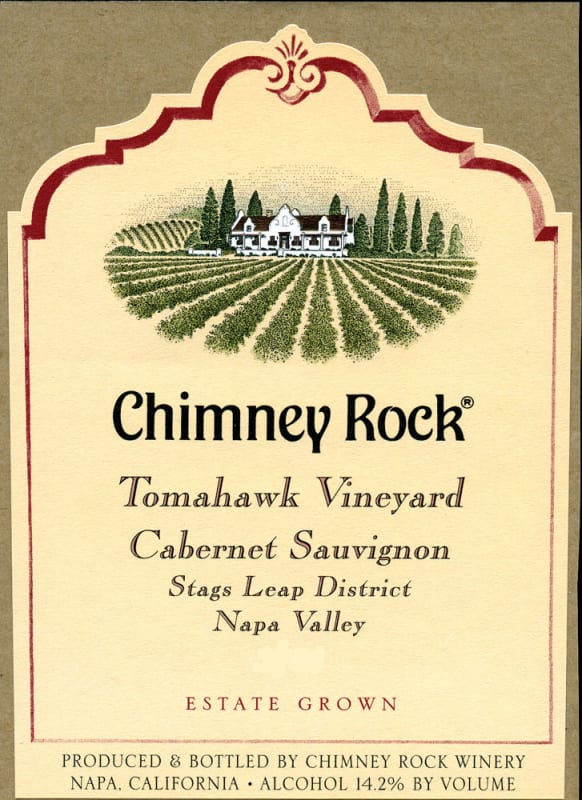

Winemaker Notes
The color is deep burgundy with intense purple hue.
On the nose, this wine is a prime example of what deems the 2007 vintage so stellar. Black cherry, floral, cassis, cocoa, vanilla -this wine is explosive aromatically.
In the palate it is full bodied with muscular tannin structure, yet still has the elegance and smoothness one expects from Stags Leap District.
Professional Ratings
-
Wine Spectator
Impressive for its stylish delivery of ripe, fleshy black cherry, plum and wild berry fruit. Full-bodied, yet elegant and polished in texture, finishing with black licorice, cedar-laced oak and nutmeg infused tannins, yet the flavors flow through nicely. Best from 2012 through 2023.
-
Robert Parker's Wine Advocate
The delicious, dark ruby/purple-colored 2007 Cabernet Sauvignon Tomahawk Vineyard offers up aromas of black currants, cedar and flowers. Medium to full-bodied and elegant, it is a quintessential Stags Leap Cabernet to drink over the next 10-15 years.
-
Wine Enthusiast
Lush and smooth this is a Cabernet to drink now for its fantastic depth and captivating deliciousness. It's dry and tannic, with major flavors of blackberries, blueberries, currants and cassis, framed in smoky oak. Feels important and classy all the way, although it could use just a bit more acid bite for complete balance.
-
Wine & Spirits
This has the supple, layered richness of finely ripened Stags Leap District cabernet. The fruit is as dark as blackberries in a pie, but the wine doesn't feel hyperripe. That fruit shows enough intensity and perseverance to handle the significant oak treatment, which reads as black walnut for now, needing time to meld into the wine.


One of the most prestigious wines of the world capable of great power and grace, Napa Valley Cabernet is a leading force in the world of fine, famous, collectible red wine. Today the Napa Valley and Cabernet Sauvignon are so intrinsically linked that it is difficult to discuss one without the other. But it wasn’t until the 1970s that this marriage came to light; sudden international recognition rained upon Napa with the victory of the Stag’s Leap Wine Cellars 1973 Cabernet Sauvignon in the 1976 Judgement of Paris.
Cabernet Sauvignon undoubtedly dominates Napa Valley today, covering half of the land under vine, commanding the highest prices per ton and earning the most critical acclaim. Cabernet Sauvignon’s structure, acidity, capacity to thrive in multiple environs and ability to express nuances of vintage make it perfect for Napa Valley where incredible soil and geographical diversity are found and the climate is perfect for grape growing. Within the Napa Valley lie many smaller sub-AVAs that express specific characteristics based on situation, slope and soil—as a perfect example, Rutherford’s famous dust or Stags Leap District's tart cherry flavors.