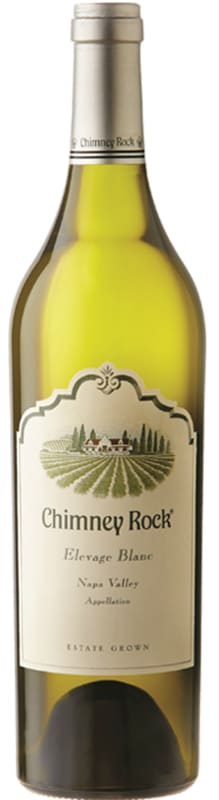


Winemaker Notes
Deep straw in color. This wine is vibrant with aromas of fresh peach and white nectarine, with delicate highlights of jasmine, brioche and caramel. The front palate shows loads of stone fruit, followed by a mouth-filling viscous mid-palate, leading to a long bright and rich finish.
Blend: 66% Sauvignon Gris, 34% Sauvignon Blanc
Professional Ratings
-
Robert Parker's Wine Advocate
A blend of two-thirds Sauvignon Gris and one-third Sauvignon Blanc, the 2023 Elevage Blanc is fermented and aged in equal parts new French oak barrels, used barrels and stainless steel "barrels." Scents of pencil shavings frame ripe fig and pear notes on the nose, while the medium to full-bodied palate is round and generous, soft and silky in feel, gliding to a gentle, citrusy finish.
-
James Suckling
The nose is discrete and minerally, with aromas of crushed stones, nectarines and lime zest. The palate is medium-bodied with fresh acidity, showing notes of orange blossoms, honeydew melon and lemon pith. A blend of 66% sauvignon gris and 34% sauvignon blanc. Drink or hold.
-
Wine Spectator
Shows plenty of personality, with a smooth, supple texture and a juicy thread of acidity that are a wonderful backdrop for the flavors of dried pear, jasmine, white nectarine and green tea. Offers a drizzle of wildflower honey and a hint of oatcake on the finish. Sauvignon Gris and Sauvignon Blanc. Drink now. 684 cases made.


Sometimes light and crisp, other times rich and creamy, Bordeaux White Blends typically consist of Sauvignon Blanc and Semillon. Often, a small amount of Muscadelle or Sauvignon Gris is included for added intrigue. Popularized in Bordeaux, the blend is often mimicked throughout the New World. Somm Secret—Sauternes and Barsac are usually reserved for dessert, but they can be served before, during or after a meal. Try these sweet wines as an aperitif with jamón ibérico, oysters with a spicy mignonette or during dinner alongside hearty Alsatian sausage.

One of the world's most highly regarded regions for wine production as well as tourism, the Napa Valley was responsible for bringing worldwide recognition to California winemaking. In the 1960s, a few key wine families settled the area and hedged their bets on the valley's world-class winemaking potential—and they were right.
The Napa wine industry really took off in the 1980s, when producers scooped up vineyard lands and planted vines throughout the county. A number of wineries emerged, and today Napa is home to hundreds of producers ranging from boutique to corporate. Cabernet Sauvignon is definitely the grape of choice here, with many winemakers also focusing on Bordeaux blends. White wines from Napa Valley are usually Chardonnay and Sauvignon Blanc.
Within the Napa Valley lie many smaller sub-AVAs that claim specific wine characteristics based on situation, slope and soil. Farthest south and coolest from the influence of the San Pablo Bay is Carneros, followed by Coombsville to its northeast and then Yountville, Oakville and Rutherford. Above those are the warm St. Helena and the valley's newest and hottest AVA, Calistoga. These areas follow the valley floor and are known generally for creating rich, dense, complex and smooth red wines with good aging potential. The mountain sub appellations, nestled on the slopes overlooking the valley AVAs, include Stags Leap District, Atlas Peak, Chiles Valley (farther east), Howell Mountain, Mt. Veeder, Spring Mountain District and Diamond Mountain District. Napa Valley wines from the mountain regions are often more structured and firm, benefiting from a lot of time in the bottle to evolve and soften.