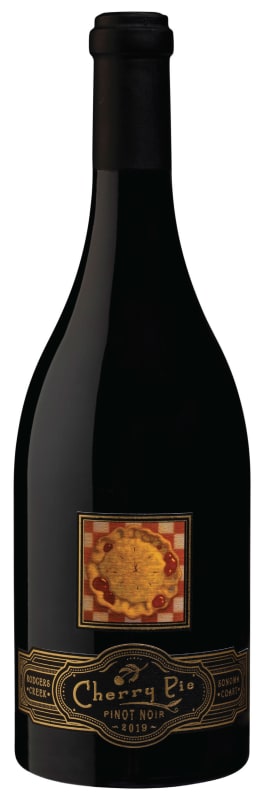


Winemaker Notes
This wine offer a nice color. Notes of caramelized sugar, strawberry cream, and dark chocolate cherry. Additional notes of cranberry and cocoa, cedar and spice with bright and balanced acidity. There is a nice oak profile and elegant mouthfeel with a fresh and lingering finish of spring forest floor, cherry compote, and vanilla.
Professional Ratings
-
James Suckling
Notes of redcurrants, cherries, rose hips, chocolate orange and sweet spices. Medium-bodied with ripe tannins. Juicy and textured on the palate with a pleasant, ripe finish.
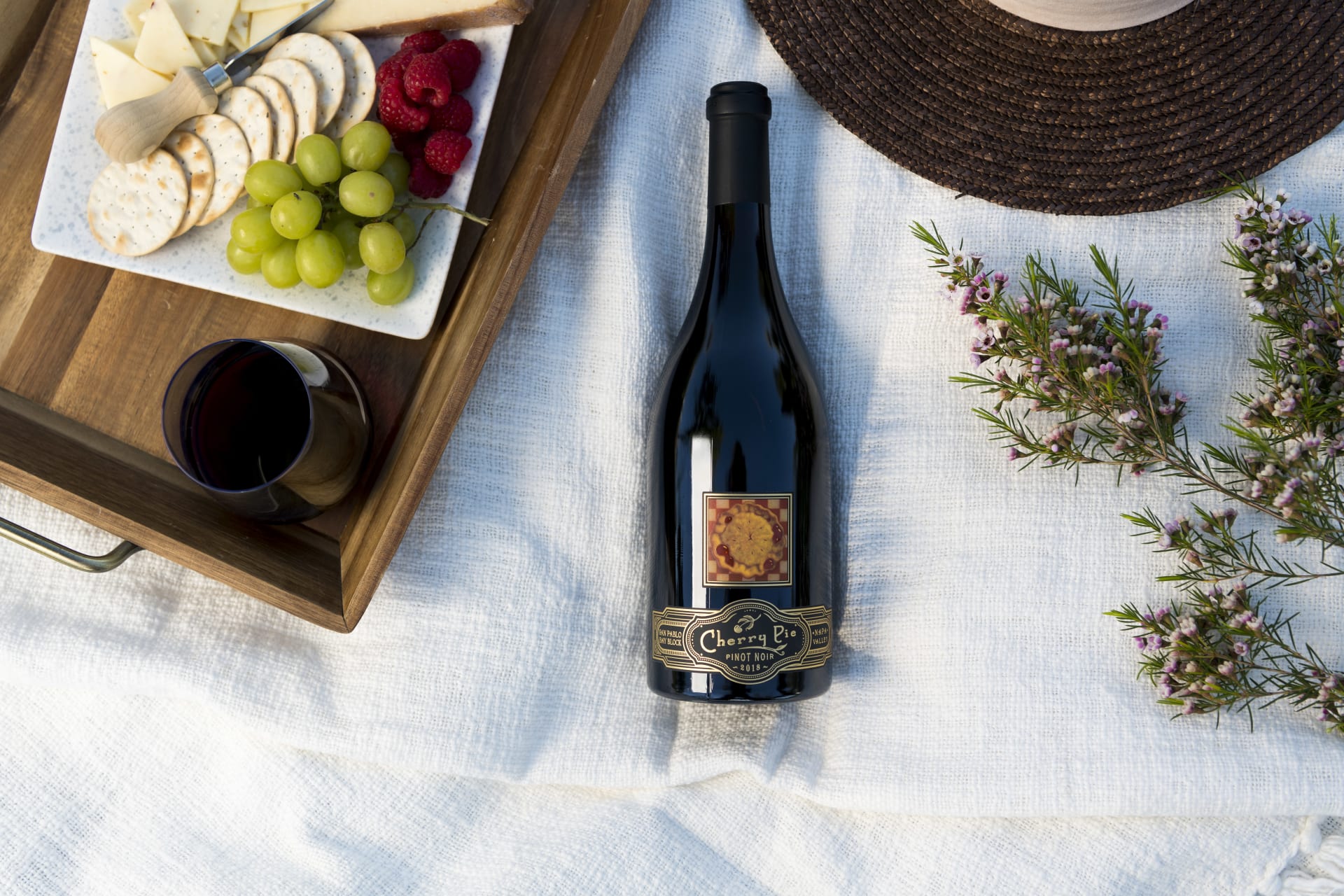
Cherry Pie is all about one thing: location. Single and multi-vineyard wines that have a distinct sense of place. From cool, well-draining sites at sea-level to wind-blown, elevated vineyards on steep slopes, each cluster begins with the influence of its surroundings. Vineyards for Cherry Pie are chosen as if they are buying a home–carefully selecting a place to live, to set down roots, to embrace the culture of the neighborhood. A place that will leave a distinct imprint from harvest to bottle.
The Cherry Pie founder was inspired by his grandmother’s baking and the artwork of TR Colletta, Cherry Pie is at once a rich and layered, redolent of the flavors and aromas of something delicious and beautiful, being made with care. The painting by artist TR Colletta of a juicy, mouthwatering hot-out-of-the-oven cherry pie was the perfect visual to pair with Cherry Pie wines. If you look closely, in the very middle of the pie you will see an image of a woman dancing with joy--which expresses their love for Pinot Noir.

Thin-skinned, finicky and temperamental, Pinot Noir is also one of the most rewarding grapes to grow and remains a labor of love for some of the greatest vignerons in Burgundy. Fairly adaptable but highly reflective of the environment in which it is grown, Pinot Noir prefers a cool climate and requires low yields to achieve high quality. Outside of France, outstanding examples come from in Oregon, California and throughout specific locations in wine-producing world. Somm Secret—André Tchelistcheff, California’s most influential post-Prohibition winemaker decidedly stayed away from the grape, claiming “God made Cabernet. The Devil made Pinot Noir.”

A vast appellation covering Sonoma County’s Pacific coastline, the Sonoma Coast AVA runs all the way from the Mendocino County border, south to the San Pablo Bay. The region can actually be divided into two sections—the actual coastal vineyards, marked by marine soils, cool temperatures and saline ocean breezes—and the warmer, drier vineyards further inland, which are still heavily influenced by the Pacific but not quite with same intensity.
Contained within the appellation are the much smaller Fort Ross-Seaview and Petaluma Gap AVAs.
The Sonoma Coast is highly regarded for elegant Pinot Noir, Chardonnay, and, increasingly, cool-climate Syrah. The wines have high acidity, moderate alcohol, firm tannin, and balanced ripeness.