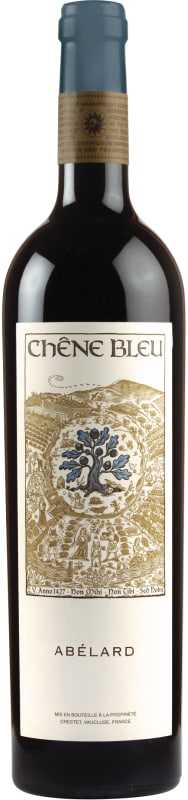


Winemaker Notes
Deep, brilliant garnet. Aromas are rich with notes of cloves, licorice and pepper, mixed with plum and cherry aromas. Full-bodied and smooth, fresh with velvety tannins and notes of ripe red fruits. Long aromatic ?nish, with hints of spices and plums.
Enjoy with roast beef, venison, duck and roasted vegetables.
Blend: 85% Grenache, 15% Syrah
Professional Ratings
-
Robert Parker's Wine Advocate
A blend of 85% Grenache and 15% Syrah, the 2012 IGP Vaucluse Abelard is nominally the more "masculine" of the two red cuvées. In fact, this vintage, the Abelard is softer and plusher, albeit slightly less complex. Smoky elements frame ripe black cherries on the nose, while the medium to full-bodied palate is ripe and supple, giving way to a velvety feel on the finish.
-
Wine Spectator
Rich and broad in feel, with a lightly roasted edge to the mix of crushed plum, blackberry and raspberry fruit. Garrigue, singed alder and warm stone notes emerge steadily through the still-grippy finish. Grenache and Syrah. Drink now through 2024.


With bold fruit flavors and accents of sweet spice, Grenache, Syrah and Mourvèdre form the base of the classic Rhône Red Blend, while Carignan, Cinsault and Counoise often come in to play. Though they originated from France’s southern Rhône Valley, with some creative interpretation, Rhône blends have also become popular in other countries. Somm Secret—Putting their own local spin on the Rhône Red Blend, those from Priorat often include Merlot and Cabernet Sauvignon. In California, it is not uncommon to see Petite Sirah make an appearance.

A long and narrow valley producing flavorful red, white, and rosé wines, the Rhône is bisected by the river of the same name and split into two distinct sub-regions—north and south. While a handful of grape varieties span the entire length of the Rhône valley, there are significant differences between the two zones in climate and geography as well as the style and quantity of Rhône wines produced. The Northern Rhône, with its continental climate and steep hillside vineyards, is responsible for a mere 5% or less of the greater region’s total output. The Southern Rhône has a much more Mediterranean climate, the aggressive, chilly Mistral wind and plentiful fragrant wild herbs known collectively as ‘garrigue.’
In the Northern Rhône, the only permitted red variety is Syrah, which in the appellations of St.-Joseph, Crozes-Hermitage, Hermitage, Cornas and Côte-Rôtie, it produces velvety black-fruit driven, savory, peppery red wines often with telltale notes of olive, game and smoke. Full-bodied, perfumed whites are made from Viognier in Condrieu and Château-Grillet, while elsewhere only Marsanne and Roussanne are used, with the former providing body and texture and the latter lending nervy acidity. The wines of the Southern Rhône are typically blends, with the reds often based on Grenache and balanced by Syrah, Mourvèdre, and an assortment of other varieties. All three northern white varieties are used here, as well as Grenache Blanc, Clairette, Bourbelenc and more. The best known sub-regions of the Southern Rhône are the reliable, wallet-friendly Côtes du Rhône and the esteemed Châteauneuf-du-Pape. Others include Gigondas, Vacqueyras and the rosé-only appellation Tavel.