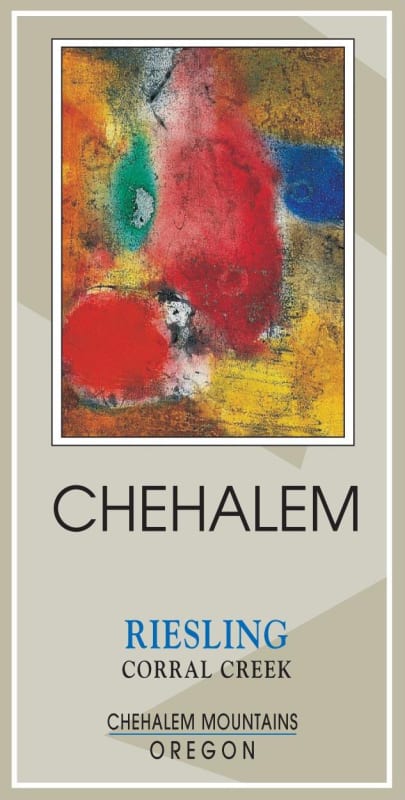

Winemaker Notes
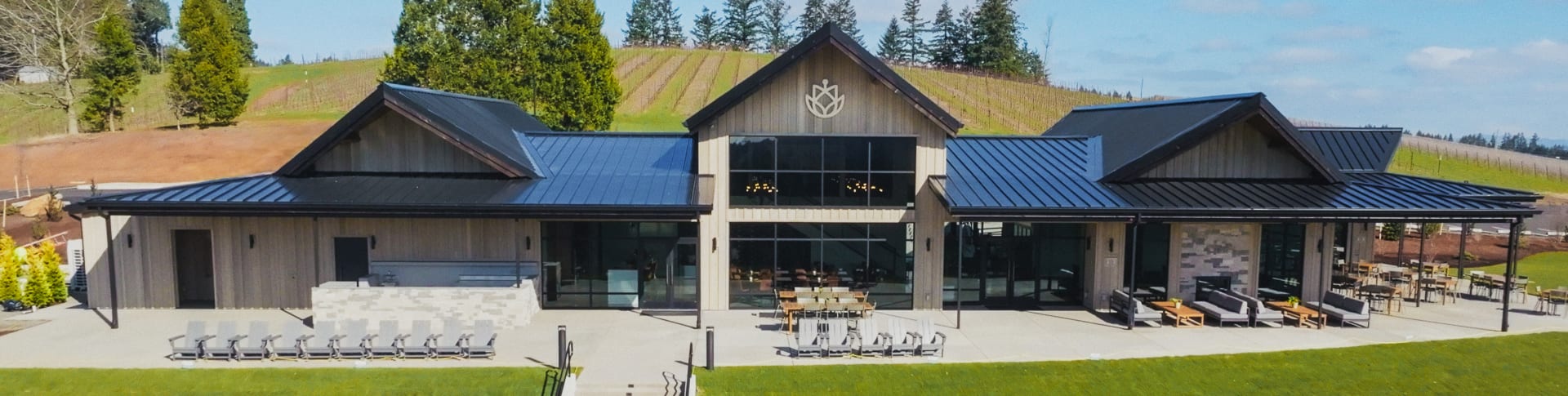


Chehalem is considered a vineyard winery, aiming to reflect what the vineyard has produced, purely, with minimal processing and without compromising great fruit. Their name, Chehalem, translates to Valley of Flowers in the Native American language, Calapooia. It’s their goal to follow the example set centuries ago: to treat the land with great care and to continue the mission of creating a sustainable future.
Their story starts in 1990 with the inaugural Pinot Noir harvest at Ridgecrest Vineyard. As those wines were releasing in 1993, Bill Stoller joined as co-owner. He subsequently purchased his family farmlands at the southern tip of the Dundee with the vision of planting it as our second estate vineyard.
In 1995, they purchased Corral Creek, the vineyard surrounding the winery. It became the third estate vineyard.
In early 2018, Bill became the sole owner of Chehalem, and by July, they had become the sixth Oregon winery to achieve B Corp status. This rigorous certification assesses companies to ensure they meet the highest standard of verified social and environmental performance, public transparency, and legal accountability.

Riesling possesses a remarkable ability to reflect the character of wherever it is grown while still maintaining its identity. A regal variety of incredible purity and precision, this versatile grape can be just as enjoyable dry or sweet, young or old, still or sparkling and can age longer than nearly any other white variety. Somm Secret—Given how difficult it is to discern the level of sweetness in a Riesling from the label, here are some clues to find the dry ones. First, look for the world “trocken.” (“Halbtrocken” or “feinherb” mean off-dry.) Also a higher abv usually indicates a drier Riesling.

The Chehalem Mountains is a northwest-southeast span of several distinct mountains, ridges and peaks in the northern part of the Willamette Valley. Of all of Willamette Valley's smaller AVAs, it is closest to the city of Portland. Its highest summit, Bald Peak at an elevation of 1,633 feet, serves to generate cooler air for the rest of the AVA and its hillside vineyards. The region covers 70,000 acres but only 1,600 acres are planted to vines; soils of the Chehalem Mountains are a mix of basalt, ocean sediment and loess.