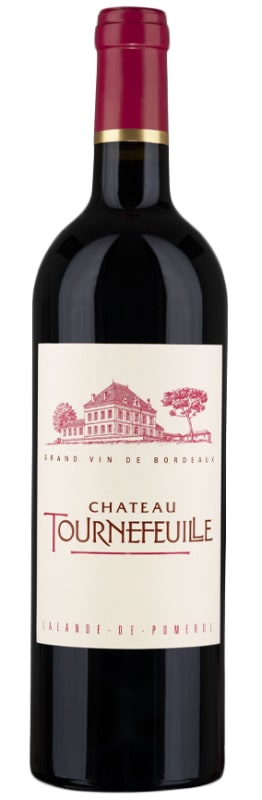


Winemaker Notes
Vibrant red robe. Intense nose of spices, red fruits and vanilla. Medium-bodied in the mouth with red cherries, cassis, and lightly grilled oak flavors. Silky tannins and nice long finish.
Professional Ratings
-
Robert Parker's Wine Advocate
The 2014 Tournefeuille has a very commendable bouquet with attractive dark cherry and red plum scents, nicely integrated oak and real presence. The palate is medium-bodied with fine tannin. This feels supple and quite elegant, the acidity very well judged and the new oak lending a judicious creamy veneer on the detailed, terroir-driven finish. Give this a couple of years in bottle and you will have a fine Lalande de Pomerol.
-
Jeb Dunnuck
The 2014 Château Tournefeuille is a charmer, offering pretty kirsch and currant fruits, notes of flowers, leafy herbs, and cedary spice, medium-bodied richness, a light, elegant texture, and sweet tannin. It does well in the vintage and has plenty of class as well as length, although not a huge amount of depth. Drink this well-made, silky 2014 anytime over the coming 10-15 years.
-
James Suckling
The stone, floral and cherry aromas are compelling, and there’s also an overlay of blackberries and blueberries. Medium to full body, chewy tannins and a long finish. Needs time to soften the slightly extracted tannins.
-
Wine Enthusiast
A firm and tannic wine that will become fine, structured and rich. Blackberry fruits come from the 70% Merlot in the blend, which is perfumed with Cabernet Franc. It is a ripe wine, juicy with acidity and finishing with a solid, concentrated aftertaste.


One of the world’s most classic and popular styles of red wine, Bordeaux-inspired blends have spread from their homeland in France to nearly every corner of the New World. Typically based on either Cabernet Sauvignon or Merlot and supported by Cabernet Franc, Malbec and Petit Verdot, the best of these are densely hued, fragrant, full of fruit and boast a structure that begs for cellar time. Somm Secret—Blends from Bordeaux are generally earthier compared to those from the New World, which tend to be fruit-dominant.
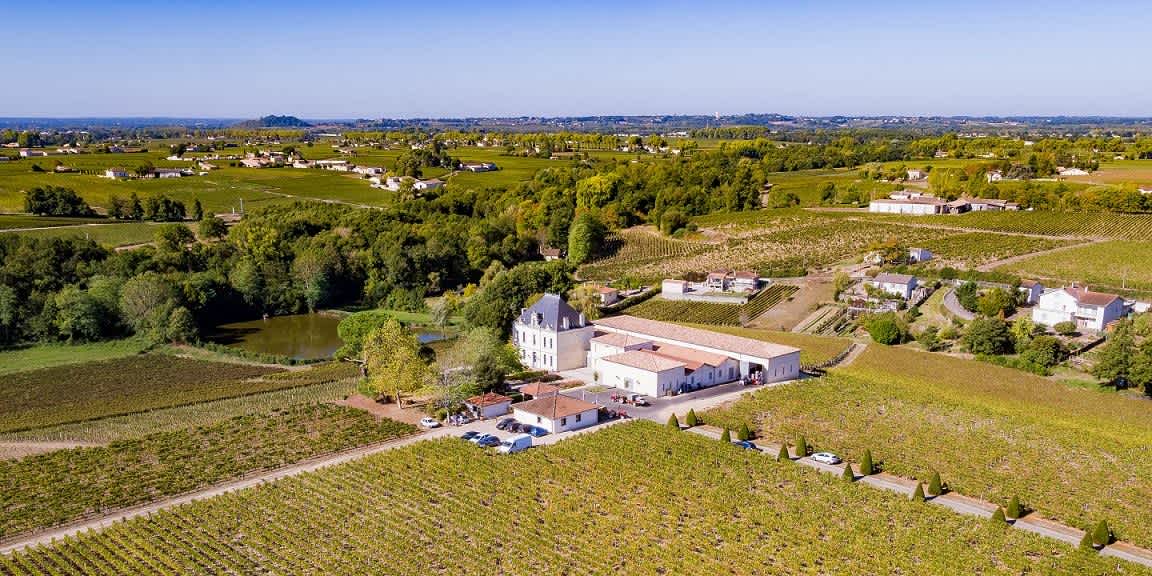
On the northern border of the acclaimed Pomerol region, Lalande de Pomerol is an incredible source of impressive Merlot-based wines, but at a fraction of the price compared to its southern neighbor. The region has the potential to offer the same concentration of the finest in Pomerol, but typically not without a touch of appealing rusticity.