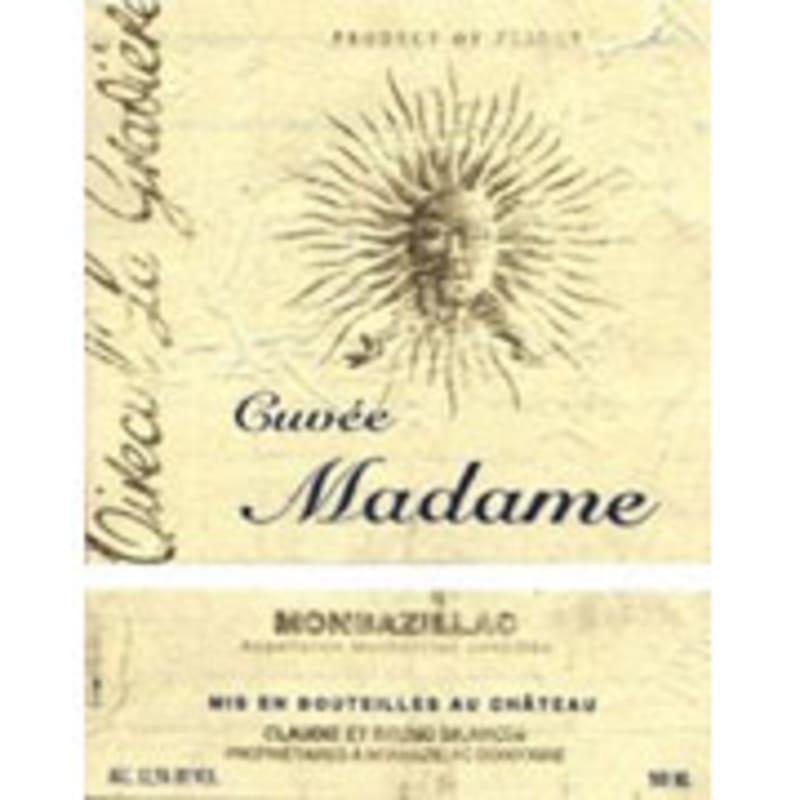

Winemaker Notes
Deep golden hue. Rich, concentrated, botrytis fruit. Intense, unctuous with layers of sweet but balanced extract and long heady finish.
Professional Ratings
-
Wine Spectator
Thick, rich and honeylike. Beautiful aromas of honey, spice and coconut with lots of dried apricot. Full-bodied, very thick and sweet, with loads of pineapple, honey and toffee character on the palate.


What are the types and styles of dessert wine?
Dessert wines come in an impressive array of styles and sweetness levels. The most straightforward method for making dessert wine is quite simply a late harvest of wine grapes, though further distinctions arise based on country of origin. The main examples include Sauternes (France), Tokaji (Hungary) and ice wine (Germany and Canada).
What are the types and styles of fortified wine?
Fortified wines (meaning alcohol has been added during the winemaking process) include Sherry, Port, Madeira, Banyuls, Rutherglen and other very small-scale styles. Sherry comes in completely dry styles (Fino, Manzanilla, Amontillado, Palo Cortado) and also in a range of sweetness levels. Madeira is typically sweet but can be made into a dry style. Port can be most simply separated into Tawny and Ruby styles. Vermouth, an herb-infused fine wine, is today popular among mixologists and other dessert wines are derived, not from wine grapes, but from different fruits.
How are dessert and fortified wines made?
As mentioned above, many wines in this category—like Sauternes and Tokaji—are produced by leaving the grapes on the vine long after the rest of the harvest has been processed in order to accumulate very high sugar levels. Often, a form of “noble” rot called botrytis plays a role, desiccating the grapes until only the very flavorful solids and sugars remain. These late-picked wines are, accordingly, often referred to as late-harvest wines. In colder climates, the grapes may be allowed to freeze on the vine for the production of ice wine. Other styles are made by letting the harvested grapes dry out (also concentrating sugars). Fortified wines are fortified with neutral spirits to increase the level of alcohol, and, depending on the final style of wine desired, arrest fermentation while some level, high to low (or no), residual sugar remains.
What gives dessert and fortified wines their color?
The different colors of most dessert wines come from the type of grape used and varying levels of oxidation during the winemaking process. The colors of Sherry and Port are mainly the result of oxidation, or lack thereof. Fino and Manzanilla styles are clear to pale gold because of the benevolent film-forming yeasts, called flor, that make a floating seal on the surface of the wine. This layer protects the wine from oxidation, and thus any browning. The other styles of Sherry use various levels of controlled oxidation, resulting in various hues of amber. The two basic styles of Port, Ruby and Tawny, also come in two basic colors, as noted by their names. Both styles are made from the same blend of Douro red varieties, but Tawny ports are tawny in color because they are made from a blend of vintages that have been aged in barrels and gradually exposed to oxygen. Ruby Ports retain their bright color because these wines are aged in barrel only for two to three years before bottling, thus minimizing any color change from oxidation.
How do you serve dessert and fortified wines?
Because of the typically higher sugar and alcohol content, the recommended serving size for most dessert, Sherry & Port wines is three ounces, which is smaller than for regular table wine. In general dessert wines should be served cold—a very sweet Tokaji is served at 40F; Sauternes are best at 50F. Fino and Manzanilla Sherries are best served at 45-50F, while the Amontillados, Olorosos and beyond, are best at 55F. Tawny Ports have a recommended serving temperature of 50-55F, whereas Ruby and Vintage Ports have a recommended serving temperature of 65F.
How long do dessert and fortified wines last?
High quality dessert wines such as Sauternes and Tokaji can often improve up to 10 to 20 years from bottling. Fino and Manzanilla Sherries should be consumed within a year or two of bottling since they are most appreciated for their freshness. Once opened, these are best consumed within a week. Store Amontillado Sherry up to about three years; once opened and refrigerated, these last two to three weeks before they decline. Store Oloro Sherry up to five years; once opened and refrigerated, these last a few weeks or longer. Cream Sherries are best consumed in their youth. Pedro Ximénez Sherry is a special case. It won’t necessarily improve with age, but is known to remain unchanged after many years of age. The two basic styles of Port can be further separated into an almost dizzying list of styles, but in general the only ones meant to age longer once bottled are crusted ports and vintage ports (from a declared vintage). Aside from those, LBV (late bottled vintage) ports should age about 4-6 years from the release date and the rest are ready to drink upon release. Fruit wines are not meant to age; the fresh fruit qualities of these wines are most prominent in their youth.

One of the most important wine regions of the world, Bordeaux is a powerhouse producer of wines of all colors, sweetness levels, and price points. Separated from the Atlantic Ocean by a coastal pine forest, this relatively flat region has a mild maritime climate, marked by cool wet winters and warm summers. Annual weather differences create significant vintage variations, making Bordeaux an exciting French wine region to follow.
The Gironde estuary, a defining feature of Bordeaux, separates most of the region into the Left Bank and the Right Bank. Farther inland, where the Gironde splits into the Garonne and Dordogne Rivers, the bucolic, rolling hills of the area in between, called Entre-Deux-Mers, is a source of great quality, approachable reds and whites.
The Left Bank, dominated by Cabernet Sauvignon, contains the Médoc, Graves, and Sauternes, as well as the region’s most famous chateaux. Merlot is important here as the perfect blending grape for Cabernet Sauvignon adding plush fruit and softening Cabernet's sometimes hefty tannins. Cabernet Franc, Petit Verdot and Malbec may also be used in the Left Bank Bordeaux wine blends.
Merlot is the principal Bordeaux wine variety of the Right Bank; Cabernet Franc adds structure and complexity to Merlot, creating wines that are concentrated, supple, and more imminently ready for drinking, compared with their Left Bank counterparts. Key appellations of the Right Bank include St. Emilion and Pomerol.
Dry and sweet Bordeaux white wines are produced throughout the region from Sauvignon Blanc, Sémillon, and sometimes Muscadelle or Sauvignon Gris. Some of the finest dry whites can be found in the Graves sub-appellation of Pessac-Léognan, while Sauternes is undisputedly the gold standard for sweet wines. Small amounts of rosé and sparkling Bordeaux wines are made in the region as well.