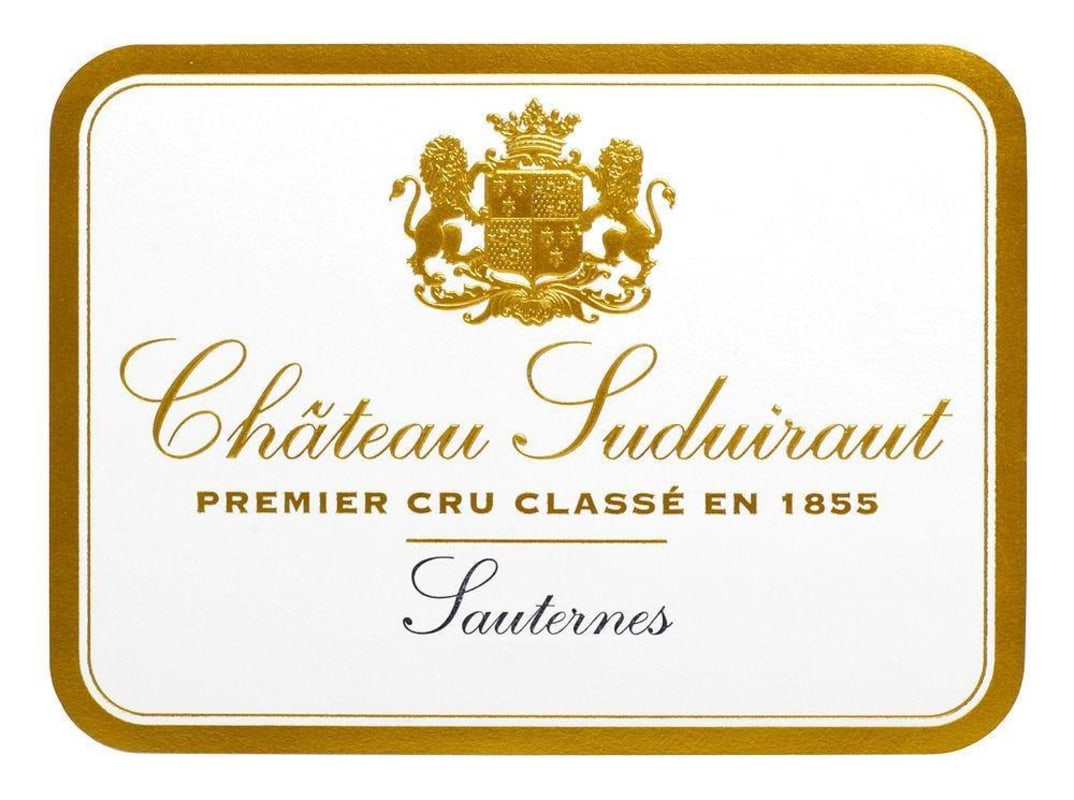

Winemaker Notes
Blend: 100% Semillon
Professional Ratings
-
James Suckling
A Sauternes with tart tartine, cooked apple and caramel. It’s full-bodied, juicy and sweet, yet there’s lots of caramel and spice, too, such as cloves. Comes across almost dry. But lots of sweetness. Pure semillon. Unique. Tiny production.
Barrel Sample: 97-98
-
Vinous
The 2020 Suduiraut is a powerful, heady wine. Embryonic today, it possesses tremendous depth and intensity from start to finish. Dried pear, chamomile, mint and dried flowers gradually emerge, but the 2020 is going to need quite a bit of time to fully come together. Even so, its potential is evident. A superb Sauternes in the making. -Antonio Galloni
Barrel Sample: 94-97 -
Decanter
Full of pleasure, silky and richly textured, easy to sink into but carefully measured at the same time, addings its layers of orange peel, bloody orange, white pepper spice and truffle slowly but surely as it inches through the palate. Tiny floral notes accompany the saline minerality on the finish. Almost no botrytis in September, and then when the weather deteriorated at the end of September things really became a bit worrying. But they were able to hold on until October 19 (after stopping at the end of September, I imagine needing nerves of steel). Yields of around 8hl/ha. 3,000 cases of Suduiraut. 137g/l of residual sugar. A great example of what botrytis does - the pH is at 4, so the freshness comes from the bitterness of botrytis not high acidities.
Barrel Sample: 96 -
Robert Parker's Wine Advocate
With 137 grams per liter of residual sugar, the 2020 Suduiraut possesses an exotic, deep bouquet of litchi, mango, pineapple, peach and ripe orchard fruits. Medium to full-bodied, dense and concentrated with a stunning rôti—the French term for the consequence of noble rot—it’s layered and textured with a fleshy core of fruit and a perfumed finish with notes of curry leaf and ginger, underlined by a gastronomic bitterness.
-
Wine Enthusiast
Made with 100% Sémillon, this luscious wine has fine honeyed flavors that emphasize the ripe orange marmalade character. The wine, while full, balances the richness with a lighter side of acidity and floral aromas.
Barrel Sample: 94-96 -
Wine Spectator
A bold, unctuous style, with generous apricot, papaya and creamed yellow apple notes coated liberally with marzipan, pecan and warm pie crust accents. For fans of the old power style of Sauternes. Drink now.


Apart from the classics, we find many regional gems of different styles.
Late harvest wines are probably the easiest to understand. Grapes are picked so late that the sugars build up and residual sugar remains after the fermentation process. Ice wine, a style founded in Germany and there referred to as eiswein, is an extreme late harvest wine, produced from grapes frozen on the vine, and pressed while still frozen, resulting in a higher concentration of sugar. It is becoming a specialty of Canada as well, where it takes on the English name of ice wine.
Vin Santo, literally “holy wine,” is a Tuscan sweet wine made from drying the local white grapes Trebbiano Toscano and Malvasia in the winery and not pressing until somewhere between November and March.
Rutherglen is an historic wine region in northeast Victoria, Australia, famous for its fortified Topaque and Muscat with complex tawny characteristics.

Sweet and unctuous but delightfully charming, the finest Sauternes typically express flavors of exotic dried tropical fruit, candied apricot, dried citrus peel, honey or ginger and a zesty beam of acidity.
Sémillon, Sauvignon Blanc, Sauvignon Gris and Muscadelle are the grapes of Sauternes. But Sémillon's susceptibility to the requisite noble rot makes it the main variety and contributor to what makes Sauternes so unique. As a result, most Sauternes estates are planted to about 80% Sémillon. Sauvignon is prized for its balancing acidity and Muscadelle adds aromatic complexity to the blend with Sémillon.
Botrytis cinerea or “noble rot” is a fungus that grows on grapes only in specific conditions and its onset is crucial to the development of the most stunning of sweet wines.
In the fall, evening mists develop along the Garonne River, and settle into the small Sauternes district, creeping into the vineyards and sitting low until late morning. The next day, the sun has a chance to burn the moisture away, drying the grapes and concentrating their sugars and phenolic qualities. What distinguishes a fine Sauternes from a normal one is the producer’s willingness to wait and tend to the delicate botrytis-infected grapes through the end of the season.