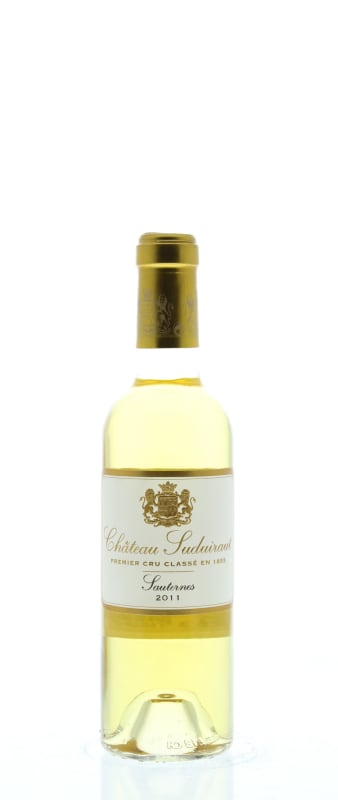


Winemaker Notes
Its superlative elegance comes from a match of total opposites: a voluptuous texture, mineral freshness and the heat of spices. Chateau Suduiraut is designed for all those who enjoy sensory and emotional experiences that are both rich and full of surprises and leave a lasting memory.
Professional Ratings
-
James Suckling
The dried-mango and pineapple character is so delicious in this wine. It’s full-bodied and medium-sweet, with a pretty density and a fruity finish. Wonderful balance to this super Sauternes. This is a little in reserve now, with so much for the future.
-
Wine Spectator
A big, broad, powerful style, with piecrust, roasted almond and hazelnut cream notes framing the core of apricot, creamed peach and dried mango. Picks up extra fig and pear details through the toasty finish.
-
Wine Enthusiast
Very fresh and strongly fruity, with just the right amount of dry botrytis, this is already approachable. However that botrytis does promise aging, with peach and ripe orange flavors pushing forward. Drink this attractive wine from 2019.
-
Robert Parker's Wine Advocate
Characterized by notes of volatile acidity, the 2011 Suduiraut reveals aromas of quince, dry apricots and spices with air and time in the glass. Medium-bodied, round, and enveloping with a sweet core of fruit, it’s fresh despite its heavy finish. Crafted from a challenging vintage, this blend of 93% Sémillon and 7% Sauvignon Blanc.


Apart from the classics, we find many regional gems of different styles.
Late harvest wines are probably the easiest to understand. Grapes are picked so late that the sugars build up and residual sugar remains after the fermentation process. Ice wine, a style founded in Germany and there referred to as eiswein, is an extreme late harvest wine, produced from grapes frozen on the vine, and pressed while still frozen, resulting in a higher concentration of sugar. It is becoming a specialty of Canada as well, where it takes on the English name of ice wine.
Vin Santo, literally “holy wine,” is a Tuscan sweet wine made from drying the local white grapes Trebbiano Toscano and Malvasia in the winery and not pressing until somewhere between November and March.
Rutherglen is an historic wine region in northeast Victoria, Australia, famous for its fortified Topaque and Muscat with complex tawny characteristics.

Sweet and unctuous but delightfully charming, the finest Sauternes typically express flavors of exotic dried tropical fruit, candied apricot, dried citrus peel, honey or ginger and a zesty beam of acidity.
Sémillon, Sauvignon Blanc, Sauvignon Gris and Muscadelle are the grapes of Sauternes. But Sémillon's susceptibility to the requisite noble rot makes it the main variety and contributor to what makes Sauternes so unique. As a result, most Sauternes estates are planted to about 80% Sémillon. Sauvignon is prized for its balancing acidity and Muscadelle adds aromatic complexity to the blend with Sémillon.
Botrytis cinerea or “noble rot” is a fungus that grows on grapes only in specific conditions and its onset is crucial to the development of the most stunning of sweet wines.
In the fall, evening mists develop along the Garonne River, and settle into the small Sauternes district, creeping into the vineyards and sitting low until late morning. The next day, the sun has a chance to burn the moisture away, drying the grapes and concentrating their sugars and phenolic qualities. What distinguishes a fine Sauternes from a normal one is the producer’s willingness to wait and tend to the delicate botrytis-infected grapes through the end of the season.