

Winemaker Notes
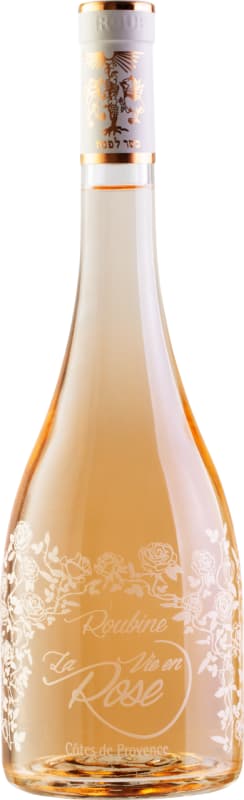
Bright salmon pink in color, with on the nose fresh cherries, strawberries and peaches with subtle hints of minerals. Light in body, with fruity notes of ripe red berries and stone fruit, hints of stony minerals on the mid-palate and perfect, medium-plus acid structure.
Professional Ratings
-
Wine Enthusiast
The wine is full and packed with red fruits. Acidity and ripe orange-peel flavors give freshness and an attractive perfume to this blend dominated by Grenache and Cinsault. Drink now.


Whether it’s playful and fun or savory and serious, most rosé today is not your grandmother’s White Zinfandel, though that category remains strong. Pink wine has recently become quite trendy, and this time around it’s commonly quite dry. Since the pigment in red wines comes from keeping fermenting juice in contact with the grape skins for an extended period, it follows that a pink wine can be made using just a brief period of skin contact—usually just a couple of days. The resulting color depends on grape variety and winemaking style, ranging from pale salmon to deep magenta.

Cotes de Provence is an extensive but valuable appellation that includes vineyards bordering the main Provencal appellations. Its sites vary from subalpine hills, which receive the cooling effects of the mountains to the north, to the coastal St-Tropez, a region mainly influenced by the warm Mediterranean sunshine.
Here the focus is on quality rosé, as it defines four fifths of the region’s wines. Following in the rosé footsteps, a lot of new effort is going into the region’s red production as well. A new generation has turned its focus on high quality Grenache, Syrah, Cinsault and Carignan. Cotes de Provence white wines, which represent a miniscule part of the region as far as volume, are nonetheless worthy of consideration and can include any combination of Clairette, Semillon, Ugni Blanc and Vermentino.