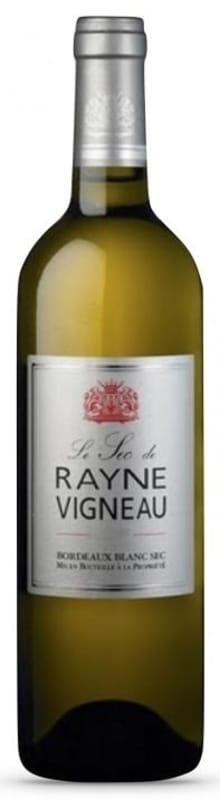


Winemaker Notes
Professional Ratings
-
James Suckling
A tangy and fresh white with sliced-apple and lemon aromas and flavors. Medium body. Pretty fruit and a delicious finish. Bright and enjoyable. Pure sauvignon blanc.
-
Robert Parker's Wine Advocate
The 2016 Le Sec de Rayne-Vigneau has an excellent green apple, kiwi fruit and fresh melon-scented bouquet that has good vigor. The palate is well balanced with crisp acidity, a lovely orange rind note on the entry with a brisk, quite spicy finish. This should give five or six years of drinking pleasure.
Range:88-90


Sometimes light and crisp, other times rich and creamy, Bordeaux White Blends typically consist of Sauvignon Blanc and Semillon. Often, a small amount of Muscadelle or Sauvignon Gris is included for added intrigue. Popularized in Bordeaux, the blend is often mimicked throughout the New World. Somm Secret—Sauternes and Barsac are usually reserved for dessert, but they can be served before, during or after a meal. Try these sweet wines as an aperitif with jamón ibérico, oysters with a spicy mignonette or during dinner alongside hearty Alsatian sausage.

Sweet and unctuous but delightfully charming, the finest Sauternes typically express flavors of exotic dried tropical fruit, candied apricot, dried citrus peel, honey or ginger and a zesty beam of acidity.
Sémillon, Sauvignon Blanc, Sauvignon Gris and Muscadelle are the grapes of Sauternes. But Sémillon's susceptibility to the requisite noble rot makes it the main variety and contributor to what makes Sauternes so unique. As a result, most Sauternes estates are planted to about 80% Sémillon. Sauvignon is prized for its balancing acidity and Muscadelle adds aromatic complexity to the blend with Sémillon.
Botrytis cinerea or “noble rot” is a fungus that grows on grapes only in specific conditions and its onset is crucial to the development of the most stunning of sweet wines.
In the fall, evening mists develop along the Garonne River, and settle into the small Sauternes district, creeping into the vineyards and sitting low until late morning. The next day, the sun has a chance to burn the moisture away, drying the grapes and concentrating their sugars and phenolic qualities. What distinguishes a fine Sauternes from a normal one is the producer’s willingness to wait and tend to the delicate botrytis-infected grapes through the end of the season.