


Winemaker Notes
A beautifully aromatic blend from the South of France with a light yellow robe that is brilliant and crystalline. The intense nose reveals notes of exotic citrus fruits and flowers. The palate is dynamic, striking a balance between freshness and smoothness. A pretty, yet balanced blend of Vermentino, Sauvignon Blanc and a hint of Muscat.
Professional Ratings
-
James Suckling
Vivid, poise and harmonious, with notes of lemons, apples, herbs and wild flowers. Medium-bodied with zesty acidity. Refreshing and energetic, with a mouthwatering finish.
-
Wilfred Wong of Wine.com
The 2022 Puech-Haut Argali Blanc is crisp and lively. This wine exhibits aromas and flavors of dried herbs, faint floral notes, and chalk. Serve it with grilled scallops. (Tasted: July 21, 2024, San Francisco, CA, USA)
-
Wine Spectator
A vibrant and clean version, whose savory beam of green herbs and green plum is racy and fresh, underlined with chalky herb notes and backed by steely acidity. Rolle and Sauvignon Blanc. Drink now. 1,500 cases made, 130 cases imported.




Nestled on the shores of the Mediterranean and the foothills of the Cevennes region of southern France, Chateau Puech-Haut’s vineyards span 625 acres in Côteaux du Languedoc AOC, including 230 acres in Saint Drézéry and 55 acres in Pic Saint Loup. The estate’s vineyards are mainly planted to Syrah, Grenache, Carignan (50-60-year-old vines), Viognier, Marsanne and Roussanne.
The history of Château Puech-Haut is above all the story of Gérard Bru, a visionary man who built his vineyard just as he built his own life: starting from nothing and creating and achieving a dream without question. In 1980, Bru bought a parcel that was planted to olive trees and wasn’t part of the Languedoc A.O.C. classification. Bru was impressed with the area’s unique terroir and believed it was ideal for growing premium grapes, with its clay and limestone soils topped with a layer of rounded pebbles. The property was converted from olives to grapes and the property’s farmhouse evolved to Château Puech-Haut, producing its first wines a few years later.
The wines of Château Puech-Haut are all full of history and endowed with a singular identity with strong character. In summarizing the Estate’s philosophy, Gérard Bru states, “Our objective is clear: produce the greatest wines by respecting and captivating various terroirs is the philosophy of Puech Haut.”
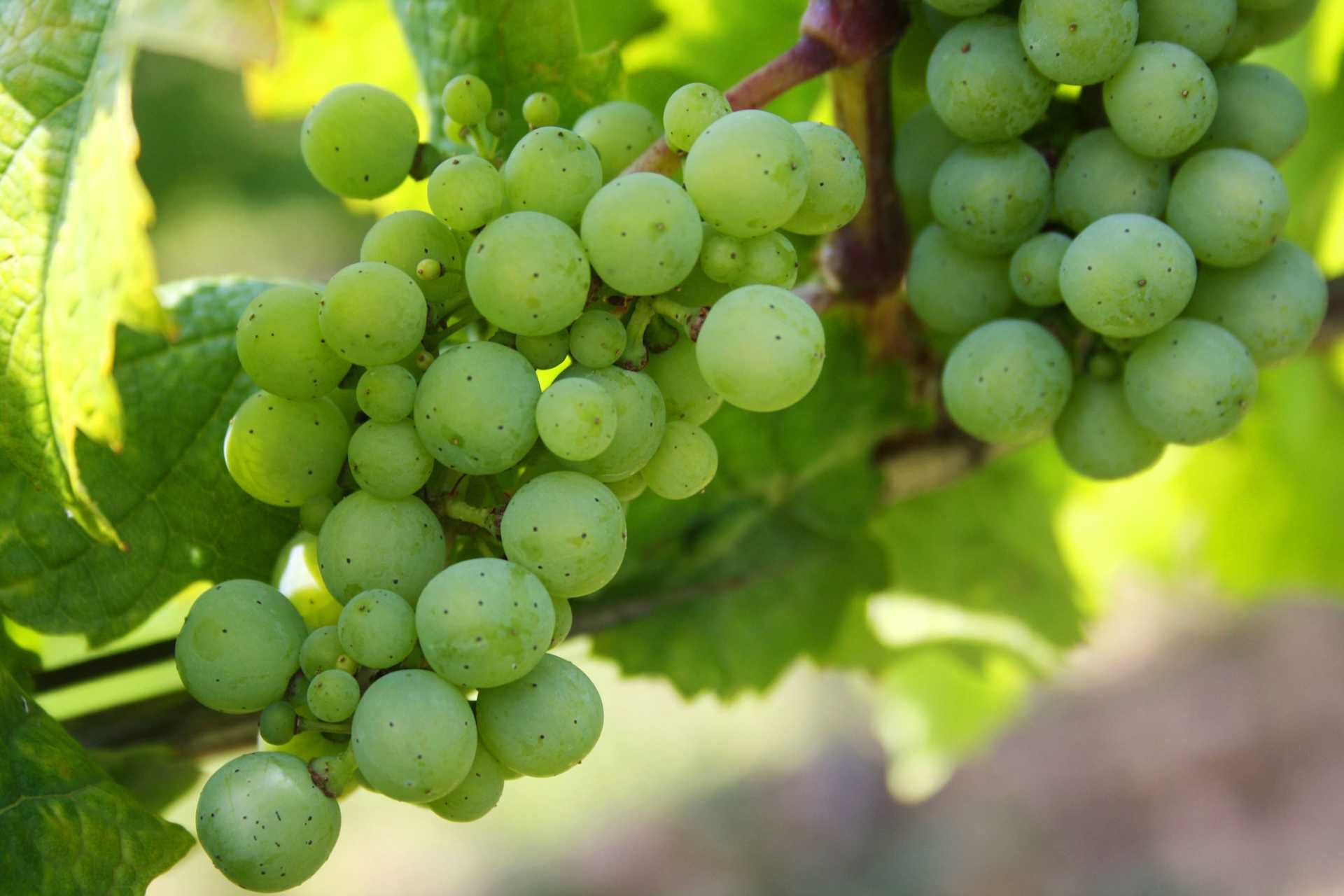
With hundreds of white grape varieties to choose from, winemakers have the freedom to create a virtually endless assortment of blended white wines. In many European regions, strict laws are in place determining the set of varieties that may be used in white wine blends, but in the New World, experimentation is permitted and encouraged. Blending can be utilized to enhance balance or create complexity, lending different layers of flavors and aromas. For example, a variety that creates a soft and full-bodied white wine blend, like Chardonnay, would do well combined with one that is more fragrant and naturally high in acidity. Sometimes small amounts of a particular variety are added to boost color or aromatics. Blending can take place before or after fermentation, with the latter, more popular option giving more control to the winemaker over the final qualities of the wine.

A small category representing the wines that either fall outside of appellation lines or don’t subscribe to the law and traditions set forth by the French government within certain classified appellations, “Vin De France” is a catch-all that includes some of the most basic French wines as well as those of superior quality. The category includes large production, value-driven wines. It also includes some that were made with a great deal of creativity, diligence and talent by those who desire to make wine outside of governmental restrictions. These used to be called Vin de Table (table wine) but were renamed to compete with other European countries' wines of similar quality.