


Winemaker Notes
Pey La Tour 2020 is deep, concentrated and violet-tinged, leading to an intensely aromatic bouquet of dark fruits, with the emphasis on blackberry and dark cherry. Attractive, full-bodied and intense on the palate, the wine culminates in a beautifully poised finish.
Blend: 95% Merlot, 2% Cabernet Sauvignon, 2% Petit Verdot, 1% Cabernet Franc
Professional Ratings
-
James Suckling
Medium-bodied, savory red with blackcurrants, blackberries, cloves and dried herbs on the nose. Tight-grained tannins. Clean, linear and focused.
-
Vinous
The 2020 Pey La Tour Réserve du Château is plump, juicy and very easy to like. Succulent dark cherry, chocolate, spice, licorice and dried herbs are all nicely amplified in this mid-weight, open-knit Bordeaux Supérieur.
-
Decanter
Clay limestone soils have kept their freshness, and this is a good, easy going wine that has structure and personality. Some cedar and menthol notes give Bordeaux typicity, and the tannins have been extremely well handled. As ever a great signpost to what you can get in AOC Bordeaux Supérieur, one of the best value for money wines in the region, and one that keeps a sense of personality. 2% Cabernet Sauvignon completes the blend.
-
Wine Enthusiast
This large estate in the Entre-deux-Mers region has produced a ripe, forward wine. Tannins are softening to give a dense and rich wine that layers black fruits and acidity.
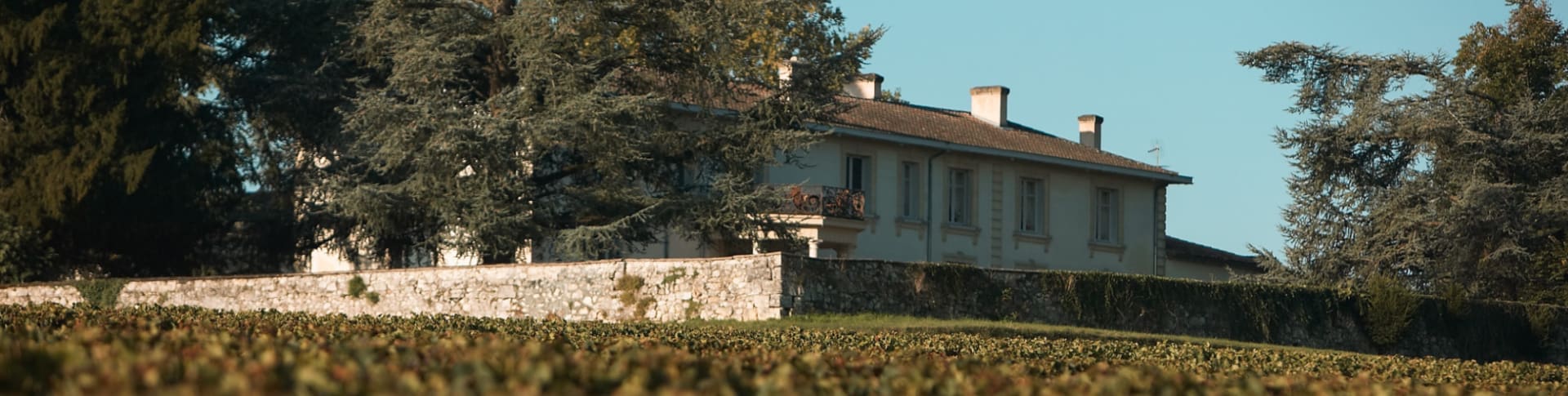


Chateau Pey la Tour benefits from one of the finest terroirs in the Bordeaux appellation. The wines produced at Chateau Pey la Tour owe their character to the soil type specific to the region and remarkable diversity of terroirs. Since Dourthe purchased Château Pey La Tour in 1990, the team has been fully committed to revealing the full potential of this stunning terroir and to crafting a magnificent, characterful, complex and elegant wine. The estate has achieved a reputation beyond its appellation as the model of a great, yet affordable, Bordeaux wine.

In most of France, wines are named by their place of origin and not by the type of grape (with the exception of Alsace). Just like a red Burgundy is by law, always made of Pinot noir, a red Bordeaux is a blended wine composed mainly of Cabernet Sauvignon and Merlot. Depending on the laws of the village from which the grapes come, the conditions of the vintage and decisions of the winemaker, the blend can be further supported by Cabernet Franc, Malbec, Petit Verdot and in rare cases, Carmenere. So popular and repeated has this mix of grape varieties become worldwide, that the term, Bordeaux Blend, refers to a wine blended in this style, regardless of origin.