


Winemaker Notes
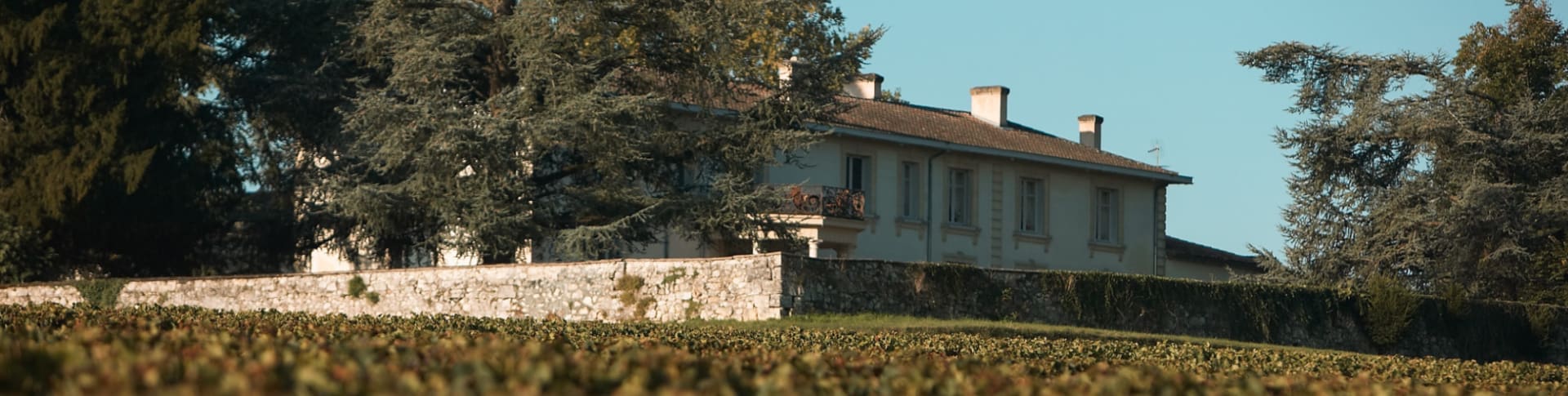
Dourthe acquired the vineyard in 1990, committed to exploiting this high quality vineyard and producing a fruity, well-balanced and elegant, terroir-driven wine. For more than 25 years, a completely “reassessed” viticultural regime has been applied to the entire vineyard, in the utmost respect for the terroir and vines in a bid to obtain optimum fruit quality. Planted essentially with Merlot (90%), and complemented with Cabernet Sauvignon and Cabernet Franc, the wine displays a lovely garnet color, with predominant red fruit aromas on the bouquet. Chateau Pey La Tour unquestionably reveals all the qualities of a fine Bordeaux wine with abundant harmony even in youth.
Professional Ratings
-
James Suckling
This has a firm base of tannins for a Bordeaux Supérieur and needs some time for them to resolve, but there’s a lot of earthy depth, plus some hazelnut and bark character here. Better in 2020.


In most of France, wines are named by their place of origin and not by the type of grape (with the exception of Alsace). Just like a red Burgundy is by law, always made of Pinot noir, a red Bordeaux is a blended wine composed mainly of Cabernet Sauvignon and Merlot. Depending on the laws of the village from which the grapes come, the conditions of the vintage and decisions of the winemaker, the blend can be further supported by Cabernet Franc, Malbec, Petit Verdot and in rare cases, Carmenere. So popular and repeated has this mix of grape varieties become worldwide, that the term, Bordeaux Blend, refers to a wine blended in this style, regardless of origin.