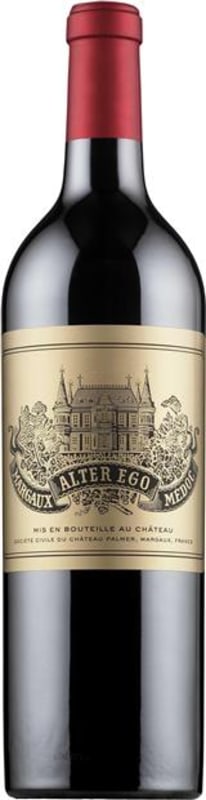


Winemaker Notes
Blend: 51% Merlot, 40% Cabernet Sauvignon, 9% Petit Verdot
Professional Ratings
-
James Suckling
This is amazing for the second wine with incredible white truffle, stone and currant character. Purity of fruit on the nose. Full-bodied, silky and refined. Fantastic length. Better in 2018 but almost impossible to resist now. Incredible.
-
Robert Parker's Wine Advocate
Another brilliant example from administrator Thomas Duroux and his team, the intense second wine, Palmer’s 2012 Alter Ego (51% Merlot, 40% Cabernet Sauvignon and 9% Petit Verdot), offers up plenty of blackberry and crème de cassis notes along with some spring flowers, licorice and subtle background oak. Opulently textured, full-bodied and stunning, this is an outrageously successful second wine to drink over the next 12-15 years.
-
Wine Enthusiast
Initially densely tannic, this wine quickly reveals a more velvet character that is enhanced by the blackberry fruits. Over half the production at Palmer in 2012 was of this second wine, which is already finely integrated and developing well. Drink from 2020.
-
Wine Spectator
Shows good energy, with a lively savory note, a bright iron streak and enticing damson plum, black cherry and red currant fruit. Everything knits through the finish, suggesting this should be able to handle modest cellaring. Best from 2016 through 2020.


One of the world’s most classic and popular styles of red wine, Bordeaux-inspired blends have spread from their homeland in France to nearly every corner of the New World. Typically based on either Cabernet Sauvignon or Merlot and supported by Cabernet Franc, Malbec and Petit Verdot, the best of these are densely hued, fragrant, full of fruit and boast a structure that begs for cellar time. Somm Secret—Blends from Bordeaux are generally earthier compared to those from the New World, which tend to be fruit-dominant.

Silky, seductive and polished are the words that characterize the best wines from Margaux, the most inland appellation of the Médoc on the Left Bank of Bordeaux.
Margaux’s gravel soils are the thinnest of the Médoc, making them most penetrable by vine roots—some reaching down over 23 feet for water. The best sites are said to be on gentle outcrops, or croupes, where more gravel facilitates good drainage.
The Left Bank of Bordeaux subscribes to an arguably outdated method of classification but it is nonetheless important in regards to history of the area. In 1855 the finest chateaux were deemed on the basis of reputation and trading price—at that time. In 1855, Chateau Margaux achieved first growth status, yet it has been Chateau Palmer (officially third growth from the 1855 classification) that has consistently outperformed others throughout the 20th century.
Chateau Margaux in top vintages is capable of producing red Cabernet Sauvignon based wines described as pure, intense, spell-binding, refined and profound with flavors and aromas of black currant, violets, roses, orange peel, black tea and incense.
Other top producers worthy of noting include Chateau Rauzan-Ségla, Lascombes, Brane-Cantenac, and d’Issan, among others.
The best wines of Margaux combine a deep ruby color with a polished structure, concentration and an unrivaled elegance.