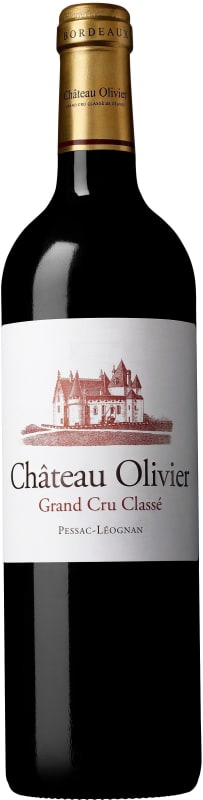


Winemaker Notes
The color is very deep. The mouth is very aromatic with cherry’s, blackfruit and licorice notes. The middle is dense, the tanins are silky. The wine is long and concentrated.
Professional Ratings
-
Wine Enthusiast
Dense tannins are balanced by equally rich fruit in this wine. It comes from vines around a medieval, moated castle on the edge of Bordeaux city. The wine is full of ripe, juicy blackberry flavors that circle of core of dryness. Both will allow the wine to age well. Drink from 2025.
-
Decanter
This is tight right now, still extremely young and Cabernet-dominant. You can feel the depth of the fruit, and this will take its time to open. They are really focussing hard on the red wine at this estate, finding its feet, growing its profile and giving it direction. Good quality, though give this a good five years before thinking about opening.
-
James Suckling
A solid column of pretty cool fruit with blackcurrants and stones. Full body, polished and chew tannins and a juicy finish. Hints of asphalt and smoke to the dark fruit at the end. Drink in 2022.
-
Wine Spectator
Fresh and sleek, with plum and black currant fruit that is a touch restrained in style, while light iron, tobacco and black licorice notes line the finish. A singed cedar echo imparts a slight old-school hint, but the fruit is energetic and the acidity fresh. Should be fun to age a bit. Drink now through 2032.
-
Robert Parker's Wine Advocate
The deep garnet-purple colored 2016 Olivier features Black Forest cake, kirsch, dried herbs and warm cassis with hints of garrigue, tapenade, forest floor and truffles. Medium-bodied with an elegantly styled palate, it has a solid foundation of ripe, grainy tannins and great freshness lifting the long earthy finish.


One of the world’s most classic and popular styles of red wine, Bordeaux-inspired blends have spread from their homeland in France to nearly every corner of the New World. Typically based on either Cabernet Sauvignon or Merlot and supported by Cabernet Franc, Malbec and Petit Verdot, the best of these are densely hued, fragrant, full of fruit and boast a structure that begs for cellar time. Somm Secret—Blends from Bordeaux are generally earthier compared to those from the New World, which tend to be fruit-dominant.

Recognized for its superior reds as well as whites, Pessac-Léognan on the Left Bank claims classified growths for both—making it quite unique in comparison to its neighboring Médoc properties.
Pessac’s Chateau Haut-Brion, the only first growth located outside of the Médoc, is said to have been the first to conceptualize fine red wine in Bordeaux back in the late 1600s. The estate, along with its high-esteemed neighbors, La Mission Haut-Brion, Les Carmes Haut-Brion, Pique-Caillou and Chateau Pape-Clément are today all but enveloped by the city of Bordeaux. The rest of the vineyards of Pessac-Léognan are in clearings of heavily forested area or abutting dense suburbs.
Arid sand and gravel on top of clay and limestone make the area unique and conducive to growing Sémillon and Sauvignon blanc as well as the grapes in the usual Left Bank red recipe: Cabernet Sauvignon, Merlot, Cabernet Franc and miniscule percentages of Petit Verdot and Malbec.
The best reds will show great force and finesse with inky blue and black fruit, mushroom, forest, tobacco, iodine and a smooth and intriguing texture.
Its best whites show complexity, longevity and no lack of exotic twists on citrus, tropical and stone fruit with pronounced floral and spice characteristics.