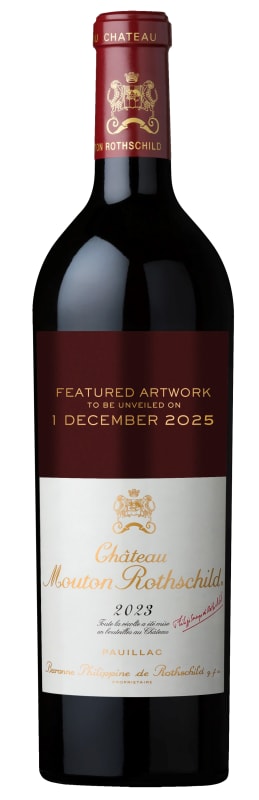


Winemaker Notes
Blend: 93% Cabernet Sauvignon, 7% Merlot
Professional Ratings
-
Decanter
Gorgeous red and black fruit on the nose, ripe strawberries, cherries and blackcurrants, really fruit forward and expressive, not so much on the mineral or floral side. Smooth and supple, this is agile and has great movement. A sense of life, depth and richness, but this is so suave. The fruit and tannins fill the mouth but with wonderful coolness - blueberry and crisp cherry. Lots of liquorice and wet stones also come through; graphite, chalk, mint, a touch of toastiness on the finish. It has flashes of exoticism, as well as finesse. Structure and seriousness but with bounce, full of texture and nuance. Tannins have built a broad wine and this is a real success with lots of energy and vibrancy throughout but with no harsh acidity or too lean tannins. Stylish, characterful and executed very well. 11% press wine, last year was 17%. 93% Cabernet in the blend, second highest in history after 2010 which was 94%. 75 IPT. 40% grand vin production. A potential 100-point wine.
Barrel Sample -
Jeb Dunnuck
Another ultra-classic, virtually perfect Mouton from this team, the 2023 Château Mouton Rothschild sports a darker plum/purple hue as well as stunning aromatics of blackcurrants, graphite, chocolate, spicy wood, and smoke. It's rich, medium to full-bodied, and concentrated on the palate, with ripe, polished tannins, beautiful overall balance, no hard edges, and a great finish. It's a sensational 2023 with so much to love, and I'd gladly drink a bottle today, yet this will age gracefully for 30-40 years. Drink 2026-2060.
-
James Suckling
A deep and generous red with red and black currants, black truffles and blue fruit. Full-bodied and spicy but still in balance. Luscious and flamboyant, then it tightens at the end. The fruit is very transparent and verges on exotic. but then it holds back with the tannins. It's so velvety and integrated. It changes all the time in the glass. 93% cabernet sauvignon and 7% merlot. Best after 2030.
-
Vinous
The 2023 Mouton Rothschild is shaping up to be one of the wines of the vintages on the Left Bank. Its balance of intense, super-concentrated fruit and equally imposing structure is spellbinding. Dark red-toned fruit, blood orange, spice, pencil shavings and dried herbs gain intensity in the glass. I especially admire its vertical build and overall energy. This is an exciting young Mouton endowed with palpable dynamic energy. It's a superb effort from the team led by Technical Director Jean-Emmanuel Danjoy. –Antonio Galloni
Barrel Sample: 96-99 -
Robert Parker's Wine Advocate
The 2023 Mouton Rothschild unwinds in the glass with a rich bouquet of dark berries, cedar box, cigar wrapper and violets, framed by a generous application of toasty oak. Full-bodied, rich and concentrated, with a broad attack and a deep, layered, ample mid-palate, it's a fleshy, muscular wine, built around youthfully chalky tannins that will reward some bottle age.


One of the world’s most classic and popular styles of red wine, Bordeaux-inspired blends have spread from their homeland in France to nearly every corner of the New World. Typically based on either Cabernet Sauvignon or Merlot and supported by Cabernet Franc, Malbec and Petit Verdot, the best of these are densely hued, fragrant, full of fruit and boast a structure that begs for cellar time. Somm Secret—Blends from Bordeaux are generally earthier compared to those from the New World, which tend to be fruit-dominant.

The leader on the Left Bank in number of first growth classified producers within its boundaries, Pauillac has more than any of the other appellations, at three of the five. Chateau Lafite Rothschild and Mouton Rothschild border St. Estephe on its northern end and Chateau Latour is at Pauillac’s southern end, bordering St. Julien.
While the first growths are certainly some of the better producers of the Left Bank, today they often compete with some of the “lower ranked” producers (second, third, fourth, fifth growth) in quality and value. The Left Bank of Bordeaux subscribes to an arguably outdated method of classification that goes back to 1855. The finest chateaux in that year were judged on the basis of reputation and trading price; changes in rank since then have been miniscule at best. Today producers such as Chateau Pontet-Canet, Chateau Grand Puy-Lacoste, Chateau Lynch-Bages, among others (all fifth growth) offer some of the most outstanding wines in all of Bordeaux.
Defining characteristics of fine wines from Pauillac (i.e. Cabernet-based Bordeaux Blends) include inky and juicy blackcurrant, cedar or cigar box and plush or chalky tannins.
Layers of gravel in the Pauillac region are key to its wines’ character and quality. The layers offer excellent drainage in the relatively flat topography of the region allowing water to run off into “jalles” or streams, which subsequently flow off into the Gironde.