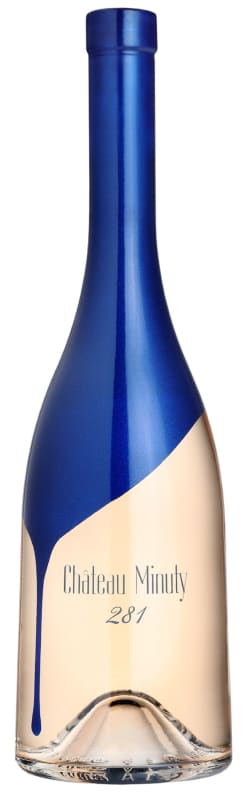


Winemaker Notes
The appearance is clear and bright, with a pale hue and pearly highlights. The nose is expressive, elegant, and complex, opening with aromas of exotic fruits and floral notes.
On the palate, it is generous and aromatic, distinguished by a saline minerality. The attack is lively, driven by fine tension, leading to a long, well-balanced finish.
Château Minuty 281 can be beautifully paired with flavorsome dishes, premium shellfish whether it be served simply like roasted lobster, rock lobster in banana leaf or cooked in a scallop risotto. Spicy dishes like Peking duck for its sweet and sour flavor, beef curry for its fragrant spices or delicious yakitori grilled with its sweet sauce. Summery salads served with
lobster, avocado and grapefruit quarters. Sophisticated berry desserts.
Blend: 85% Grenache, 15% Syrah




Château Minuty is the global leader in Cotes de Provence rosé, and beyond that it can be argued is the most important estate in the history of Provence rosé. The Saint-Tropez based, family owned estate has been, since its founding, one of the quality leaders for the region. Minuty then became one of the most visible producers in the second half of the 20th century, a result of quality production and commercial foresight when no one in the region could imagine the global phenomenon Provence rosé would become. And then in the last two decades, Minuty defined the vision for and led the unbelievable growth in Provence rosé around the globe.
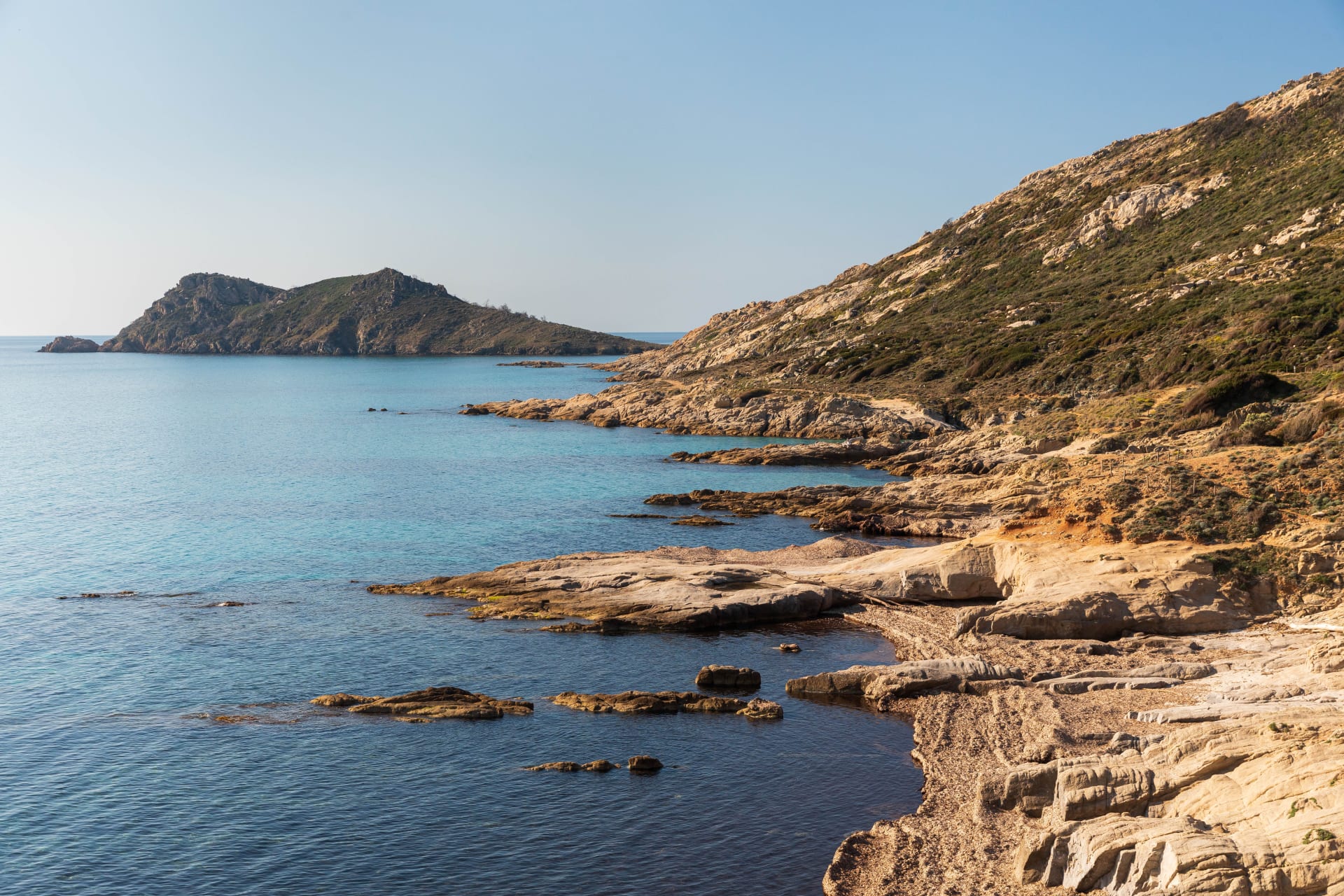
One of the original 18 classified growths of Provence, Chateau Minuty has always been considered a quality leader for the region. Over decades it became the top selling rosé in its home of the French Riviera, where it abounds in leading beach clubs, restaurants and luxury retailers from Saint-Tropez to Monaco. From the winery, which is half of a mile from the sea, you can actually see the Gulf of Saint-Tropez, dotted with sailboats and yachts. In the second half of the 20th century, Minuty created the elongated “Provencal bottle”, adopted by any number of other estates. If in the last 50 years you sat on the beach in the South of France, glass of rosé in hand, watching the blue of the sea and the blue of the sky play their game until sunset turned everything, yes, pink, you were almost certainly drinking Chateau Minuty.
Today, Minuty continues to push the quality envelope. They have followed through on their strong commitment to sustainable viticulture by quickly achieving the French government’s High Environmental Value certification for the estate’s biodiversity, farm management to limit inputs, and broader commitment to limiting environmental impact. All wines are strictly from the Co^tes de Provence AOC and grown without the use of chemicals. Above all, Minuty is defining what a great, luxury rosé should be. They are not interested in making more wine and are not going outside of their Cotes de Provence home. With their Prestige, Rose et Or, and rare 281, they are putting greater and greater emphasis on making truly distinct and outstanding wines from their estate holdings. That is their vision of the future.

Whether it’s playful and fun or savory and serious, most rosé today is not your grandmother’s White Zinfandel, though that category remains strong. Pink wine has recently become quite trendy, and this time around it’s commonly quite dry. Since the pigment in red wines comes from keeping fermenting juice in contact with the grape skins for an extended period, it follows that a pink wine can be made using just a brief period of skin contact—usually just a couple of days. The resulting color depends on grape variety and winemaking style, ranging from pale salmon to deep magenta.

Cotes de Provence is an extensive but valuable appellation that includes vineyards bordering the main Provencal appellations. Its sites vary from subalpine hills, which receive the cooling effects of the mountains to the north, to the coastal St-Tropez, a region mainly influenced by the warm Mediterranean sunshine.
Here the focus is on quality rosé, as it defines four fifths of the region’s wines. Following in the rosé footsteps, a lot of new effort is going into the region’s red production as well. A new generation has turned its focus on high quality Grenache, Syrah, Cinsault and Carignan. Cotes de Provence white wines, which represent a miniscule part of the region as far as volume, are nonetheless worthy of consideration and can include any combination of Clairette, Semillon, Ugni Blanc and Vermentino.