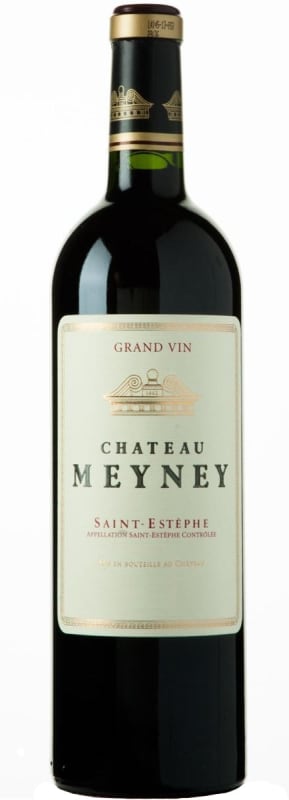


Winemaker Notes
Blend: 54% Cabernet Sauvignon, 32% Merlot, 12% Petit Verdot
Professional Ratings
-
Wine Enthusiast
This wine has density and some firm tannins. A spectacular vineyard that faces the Gironde estuary, this estate gives a rich wine that needs some serious aging.
-
James Suckling
A refined and complex expression for the vintage with sweet red chili pepper, cassis, red plums, pencil shavings and a cedary edge. Medium to full body with silky, fine tannins and a lengthy, polished finish. An overachiever here that shows finesse and sophistication. Already a joy to drink now, but should age nicely in the next decade.
-
Vinous
The 2021 Meyney has a lovely bouquet with floral-tinged red berry fruit, opening nicely with aeration. The palate is medium-bodied with fresh red berry fruit laced with oyster shell and spice. Fine build towards a menthol-tinged finish, winemaker Anne La Nour has conjured a very commendable Saint-Estèphe from a tricky growing season. If release prices match your wallet, I'd stick a case (or two) in the cellar. –Neal Martin
Barrel Sample: 91-93 -
Decanter
Gorgeous floral aromatics, this is crisp with the most delicious blackcurrant and black cherry and strawberry fruit flavour - really so well executed. Lively and bright, clean and clear. Succulent and juicy, lovely frame and texture overall. A wonderful easy to drink wine, with elegance refinement but still that concentration that drives the flavours from start to finish. A top buy for classic clart, refreshing, minty, deep, layered and so charming.
Barrel Sample: 92


One of the world’s most classic and popular styles of red wine, Bordeaux-inspired blends have spread from their homeland in France to nearly every corner of the New World. Typically based on either Cabernet Sauvignon or Merlot and supported by Cabernet Franc, Malbec and Petit Verdot, the best of these are densely hued, fragrant, full of fruit and boast a structure that begs for cellar time. Somm Secret—Blends from Bordeaux are generally earthier compared to those from the New World, which tend to be fruit-dominant.

Deeply colored, concentrated, and distinctive, St. Estephe is the go-to for great, age-worthy and reliable Bordeaux reds. Separated from Pauillac merely by a stream, St. Estephe is the farthest northwest of the highest classed villages of the Haut Medoc and is therefore subject to the most intense maritime influence of the Atlantic.
St. Estephe soils are rich in gravel like all of the best sites of the Haut Medoc but here the formation of gravel over clay creates a cooler atmosphere for its vines compared to those in the villages farther downstream. This results in delayed ripening and wines with higher acidity compared to the other villages.
While they can seem a bit austere when young, St. Estephe reds prove to live very long in the cellar. Traitionally dominated by Cabernet Sauvignon, many producers now add a significant proportion of Merlot to the blend, which will soften any sharp edges of the more tannic, Cabernet.
The St. Estephe village contains two second growths, Chateau Montrose and Cos d’Estournel.