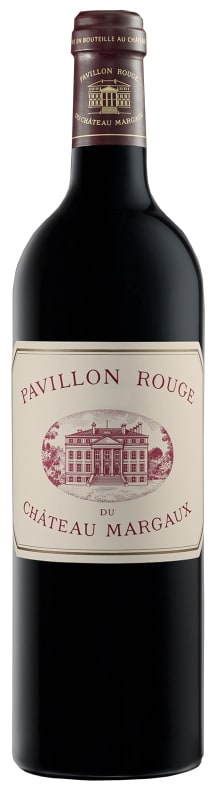


Winemaker Notes
This wine does not include the blanket 10% tariff imposed in April 2025. When the wines are shippable in fall of 2027, customers will have the option to pay any tariff in place at the time or to keep their wines stored in a temperature-controlled facility free of charge in France.
Professional Ratings
-
James Suckling
Good, pure fruit with scented violets, black cherries and some currants. Full-bodied and richer than most from the vintage, with lots of fresh, dusty tannins and impressive concentration. Fresh, pure, compact and long.
Barrel Sample: 95-96 -
Decanter
Gorgeous violet purple rim. Sandalwood, cesar aromas with blue cherries and violets. Delicate aromas on the nose, softly floral and fruity. Clean and alive, such purity to the juice here, great acidity, gently presented but still with a softly chalky texture to the tannins. Clean and super polished. Expressive on the palate. You can feel the acidity for sure, but that’s what makes these wines so interesting. No mid palate drop, no dilution. Complete and charming. Salty blue cola, liquorice and graphite edges on the finish. Great. Less Merlot than usual because of mildew and more Cabernet Franc, the first time to have so much because of increased plantings. 3% Petit Verdot completes the blend.
Barrel Sample: 93 -
Jeb Dunnuck
The 2024 Château Margaux Pavillon Rouge sports a healthy ruby/purple hue as well as some classic notes of red and blue fruits intermixed with graphite, tobacco leaf, and spicy wood. It's beautifully balanced, has present tannins, nicely integrated acidity, and a great finish. This isn't a vintage for many second wines, but there's no denying the quality here.
Barrel Sample: 91-93 -
Robert Parker's Wine Advocate
Incorporating more Cabernet Franc (as recent plantings mature) and more Cabernet Sauvignon than usual, the 2024 Pavillon Rouge du Château Margaux unwinds in the glass with aromas of sweet cassis, red berries, vanilla pod and violets, followed by a medium to full-bodied, deep and lively palate with good density, powdery tannins and lively acids. It checks in at 12.9% alcohol.
Barrel Sample: 90-93


One of the world’s most classic and popular styles of red wine, Bordeaux-inspired blends have spread from their homeland in France to nearly every corner of the New World. Typically based on either Cabernet Sauvignon or Merlot and supported by Cabernet Franc, Malbec and Petit Verdot, the best of these are densely hued, fragrant, full of fruit and boast a structure that begs for cellar time. Somm Secret—Blends from Bordeaux are generally earthier compared to those from the New World, which tend to be fruit-dominant.

Silky, seductive and polished are the words that characterize the best wines from Margaux, the most inland appellation of the Médoc on the Left Bank of Bordeaux.
Margaux’s gravel soils are the thinnest of the Médoc, making them most penetrable by vine roots—some reaching down over 23 feet for water. The best sites are said to be on gentle outcrops, or croupes, where more gravel facilitates good drainage.
The Left Bank of Bordeaux subscribes to an arguably outdated method of classification but it is nonetheless important in regards to history of the area. In 1855 the finest chateaux were deemed on the basis of reputation and trading price—at that time. In 1855, Chateau Margaux achieved first growth status, yet it has been Chateau Palmer (officially third growth from the 1855 classification) that has consistently outperformed others throughout the 20th century.
Chateau Margaux in top vintages is capable of producing red Cabernet Sauvignon based wines described as pure, intense, spell-binding, refined and profound with flavors and aromas of black currant, violets, roses, orange peel, black tea and incense.
Other top producers worthy of noting include Chateau Rauzan-Ségla, Lascombes, Brane-Cantenac, and d’Issan, among others.
The best wines of Margaux combine a deep ruby color with a polished structure, concentration and an unrivaled elegance.