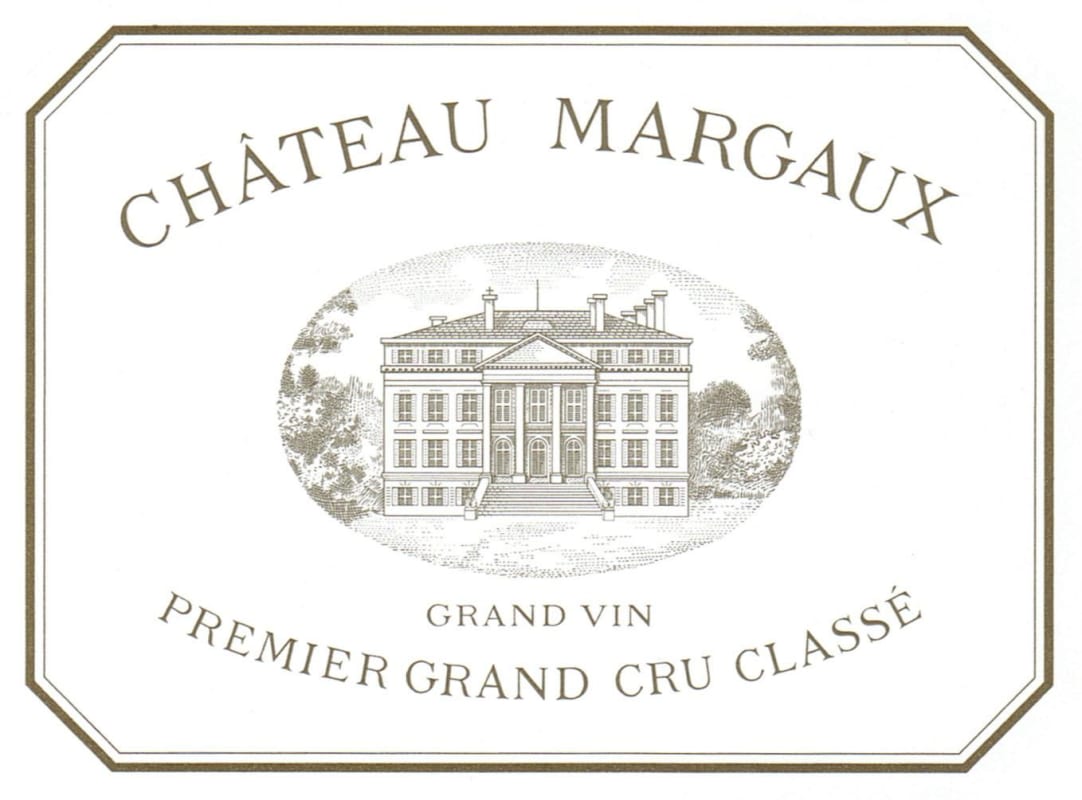

Winemaker Notes
Blend: 90% Cabernet Sauvignon, 4% Merlot, 4% Cabernet Franc, 2% Petit Verdot
Professional Ratings
-
Jeb Dunnuck
One of the wines of the vintage on the Left Bank is the 2018 Château Margaux, a blend of 90% Cabernet Sauvignon, 4% each of Merlot and Cabernet Franc, and the balance Petit Verdot. A thrilling, sensational Margaux that reminds me of the 2015 at this stage, it reveals a saturated purple/blue color as well as heavenly notes of black raspberries, blueberries, cassis, spring flowers, high-class smoke tobacco, and graphite. Deep, full-bodied, and seamless, it builds incrementally on the palate and carries masses of fine tannins, no hard edges, and awesome purity of fruit. Given its purity, depth of fruit, and texture, it’s going to be approachable with just short-term cellaring, but I suspect it won’t start to hit prime time for at least a decade. Barrel Sample: 98-100.
-
James Suckling
So much ash, tobacco and earth to the bright blackberry and currant aromas. Flowers too. Fresh. Full-bodied with seamless tannins that spread across your palate and caress every square centimeter. It’s shows loads of ripe-berry, cherry, currant and chocolate character, as well as walnut and light cedar. Then the finish goes on for minutes. Extremely refined and elegant, despite the structure. 90% cabernet sauvignon, 4% cabernet franc, 4% merlot and 2% petit verdot. A joy to taste, but drink after 2025.
-
Robert Parker's Wine Advocate
The 2018 Château Margaux is made of 90% Cabernet Sauvignon, 4% Merlot, 4% Cabernet Franc and 2% Petit Verdot. The grand vin represents 36% of the crop this year. The wine has a pH of 3.8 and 14% alcohol. Deep purple-black in color, it comes prancing out of the glass with energetic Morello cherries, black raspberries and blackberry pie scents plus nuances of fragrant soil, candied violets, lavender, sandalwood, unsmoked cigars and black olives with a gentle wave of cassis and licorice emerging with coaxing. Full-bodied, the palate is charged with the most amazing energy, delivering layer after layer of red and black fruits with tons of earthy nuances, framed by the most exquisitely ripe, fine-grained tannins, finishing with amazing freshness and an extraordinarily long-lingering perfume. Magnificent.
Barrel Sample: 97-100 -
Wine Enthusiast
It is impressive how the serious structure of this wine has been totally absorbed by the depth of fruit. A dense black currant flavor and bright acidity are balanced by the core of dark tannins and an overall richness. Currently, the end is dominated with tannins that will allow the wine to age.
Barrel Sample: 97-99 -
Decanter
Without doubt an incredible Margaux, although whether it will equal the 2015 remains to be seen. It's less serious than the 2016 but every bit as good, floating above the palate, performing that acrobatic trick that only happens in the really great years. It's silky yet intense and powerful, with sweet, fleshy and succulent raspberry cut through with fresh rosemary and sage that add texture and grip. The menthol side of the Cabernet is already coming through, which suggests the fruit was just perfectly ripe - these are aromatics that you don't get in true heatwave years like 2003. The flavours stretch out, gently gripping and keeping you involved in what.
Barrel Sample: 98


One of the world’s most classic and popular styles of red wine, Bordeaux-inspired blends have spread from their homeland in France to nearly every corner of the New World. Typically based on either Cabernet Sauvignon or Merlot and supported by Cabernet Franc, Malbec and Petit Verdot, the best of these are densely hued, fragrant, full of fruit and boast a structure that begs for cellar time. Somm Secret—Blends from Bordeaux are generally earthier compared to those from the New World, which tend to be fruit-dominant.

Silky, seductive and polished are the words that characterize the best wines from Margaux, the most inland appellation of the Médoc on the Left Bank of Bordeaux.
Margaux’s gravel soils are the thinnest of the Médoc, making them most penetrable by vine roots—some reaching down over 23 feet for water. The best sites are said to be on gentle outcrops, or croupes, where more gravel facilitates good drainage.
The Left Bank of Bordeaux subscribes to an arguably outdated method of classification but it is nonetheless important in regards to history of the area. In 1855 the finest chateaux were deemed on the basis of reputation and trading price—at that time. In 1855, Chateau Margaux achieved first growth status, yet it has been Chateau Palmer (officially third growth from the 1855 classification) that has consistently outperformed others throughout the 20th century.
Chateau Margaux in top vintages is capable of producing red Cabernet Sauvignon based wines described as pure, intense, spell-binding, refined and profound with flavors and aromas of black currant, violets, roses, orange peel, black tea and incense.
Other top producers worthy of noting include Chateau Rauzan-Ségla, Lascombes, Brane-Cantenac, and d’Issan, among others.
The best wines of Margaux combine a deep ruby color with a polished structure, concentration and an unrivaled elegance.