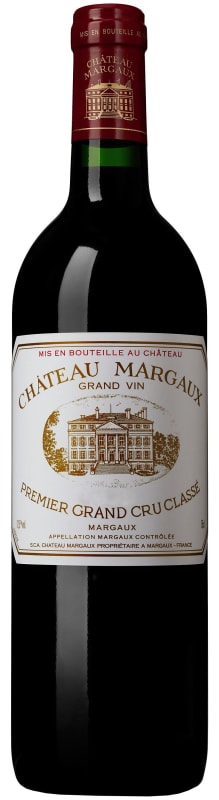


Winemaker Notes
Opulent and rich. A multidimensional bouquet with a fragrance of ripe black currants, spicy vanilla oakiness and violets.
Professional Ratings
-
Robert Parker's Wine Advocate
The 1999 Château Margaux is an immensely charming wine that's drinking beautifully today from both bottle and, in this case, magnum. Bursting with aromas of blackcurrants, blackberries and violets framed by subtle hints of cigar box, it's medium to full-bodied, supple and sensual, with an enveloping core of fruit, ripe and melting tannins and a long, penetrating finish. Analogies with the immensely charming 1985 vintage are very persuasive, as the 1999 is quite reminiscent of how the 1985 tasted fifteen years ago.
-
Wine Spectator
This has a rather friendly, fleshy feel, with a plump core of crushed plum, currant and cherry notes out front, backed by bergamot, lilac and sandalwood accents. Not superdense, but with lovely mouthfeel and a balance that carries the finish gracefully. A beautiful wine in a vintage where most of the Médoc struggled.


One of the world’s most classic and popular styles of red wine, Bordeaux-inspired blends have spread from their homeland in France to nearly every corner of the New World. Typically based on either Cabernet Sauvignon or Merlot and supported by Cabernet Franc, Malbec and Petit Verdot, the best of these are densely hued, fragrant, full of fruit and boast a structure that begs for cellar time. Somm Secret—Blends from Bordeaux are generally earthier compared to those from the New World, which tend to be fruit-dominant.

Silky, seductive and polished are the words that characterize the best wines from Margaux, the most inland appellation of the Médoc on the Left Bank of Bordeaux.
Margaux’s gravel soils are the thinnest of the Médoc, making them most penetrable by vine roots—some reaching down over 23 feet for water. The best sites are said to be on gentle outcrops, or croupes, where more gravel facilitates good drainage.
The Left Bank of Bordeaux subscribes to an arguably outdated method of classification but it is nonetheless important in regards to history of the area. In 1855 the finest chateaux were deemed on the basis of reputation and trading price—at that time. In 1855, Chateau Margaux achieved first growth status, yet it has been Chateau Palmer (officially third growth from the 1855 classification) that has consistently outperformed others throughout the 20th century.
Chateau Margaux in top vintages is capable of producing red Cabernet Sauvignon based wines described as pure, intense, spell-binding, refined and profound with flavors and aromas of black currant, violets, roses, orange peel, black tea and incense.
Other top producers worthy of noting include Chateau Rauzan-Ségla, Lascombes, Brane-Cantenac, and d’Issan, among others.
The best wines of Margaux combine a deep ruby color with a polished structure, concentration and an unrivaled elegance.