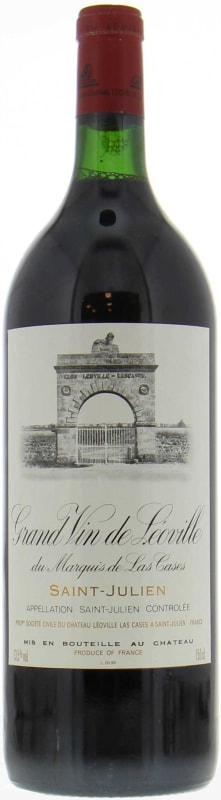


Winemaker Notes
Blend: 77% Cabernet Sauvignon, 14% Cabernet Franc, 9% Merlot
Professional Ratings
-
Wine Spectator
Absolutely fantastic. This is one of the most exciting young reds I have tasted in a long, long time. It shows intense aromas of berries, currants and minerals, with hints of mint. Full-bodied and packed with fruit and tannins, its long finish is refined and silky. A benchmark for the vintage. Las Cases has always wanted to make first-growth quality in a top-notch vintage, and it certainly did in 2000. Best after 2012. 15,000 cases made.
-
Jeb Dunnuck
Still youthful and ruby-hued with no hint of amber at the rim, the 2000 Château Léoville Las Cases is an absolutely sensational Saint-Julien that just flirts with perfection. Currants, scorched earth, graphite, and crushed stone all emerge from the bouquet, giving it an ultra-classic Léoville Las Cases style. It's full-bodied on the palate, with beautiful concentration, ripe, polished tannins, and a blockbuster finish, with the regal stature and structure this cuvée is known for. Based on 77% Cabernet Sauvignon, 14.4% Merlot, and the rest Cabernet Franc, this magical, heavenly Las Cases is singing today yet has another 50 years of longevity.
-
Robert Parker's Wine Advocate
The 2000 Léoville Las Cases takes time to unwind in the decanter and glass, but when it begins to show all its cards, the display is spectacular. Mingling aromas of dark berries and red fruits with aromas of pencil shavings, loamy soil, cedar box, bitter chocolate, dried rose petals and licorice, it's medium to full-bodied, deep and concentrated, with a layered, complete mid-palate that's rare in this vintage, powdery tannins and a long, resonant finish. An uncompromising classic, even as it closes in on its 22nd birthday, the 2000 Las Cases remains an infant in terms of evolution. Best After 2025
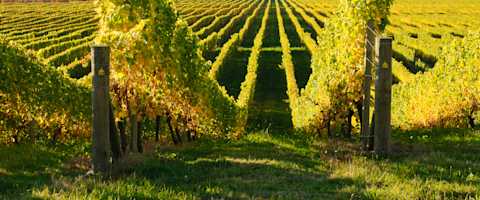

One of the world’s most classic and popular styles of red wine, Bordeaux-inspired blends have spread from their homeland in France to nearly every corner of the New World. Typically based on either Cabernet Sauvignon or Merlot and supported by Cabernet Franc, Malbec and Petit Verdot, the best of these are densely hued, fragrant, full of fruit and boast a structure that begs for cellar time. Somm Secret—Blends from Bordeaux are generally earthier compared to those from the New World, which tend to be fruit-dominant.

An icon of balance and tradition, St. Julien boasts the highest proportion of classed growths in the Médoc. What it lacks in any first growths, it makes up in the rest: five amazing second growth chateaux, two superb third growths and four well-reputed fourth growths. While the actual class rankings set in 1855 (first, second, and so on the fifth) today do not necessarily indicate a score of quality, the classification system is important to understand in the context of Bordeaux history. Today rivalry among the classed chateaux only serves to elevate the appellation overall.
One of its best historically, the estate of Leoville, was the largest in the Médoc in the 18th century, before it was divided into the three second growths known today as Chateau Léoville-Las-Cases, Léoville-Poyferré and Léoville-Barton. Located in the north section, these are stone’s throw from Chateau Latour in Pauillac and share much in common with that well-esteemed estate.
The relatively homogeneous gravelly and rocky top soil on top of clay-limestone subsoil is broken only by a narrow strip of bank on either side of the “jalle,” or stream, that bisects the zone and flows into the Gironde.
St. Julien wines are for those wanting subtlety, balance and consistency in their Bordeaux. Rewarding and persistent, the best among these Bordeaux Blends are full of blueberry, blackberry, cassis, plum, tobacco and licorice. They are intense and complex and finish with fine, velvety tannins.