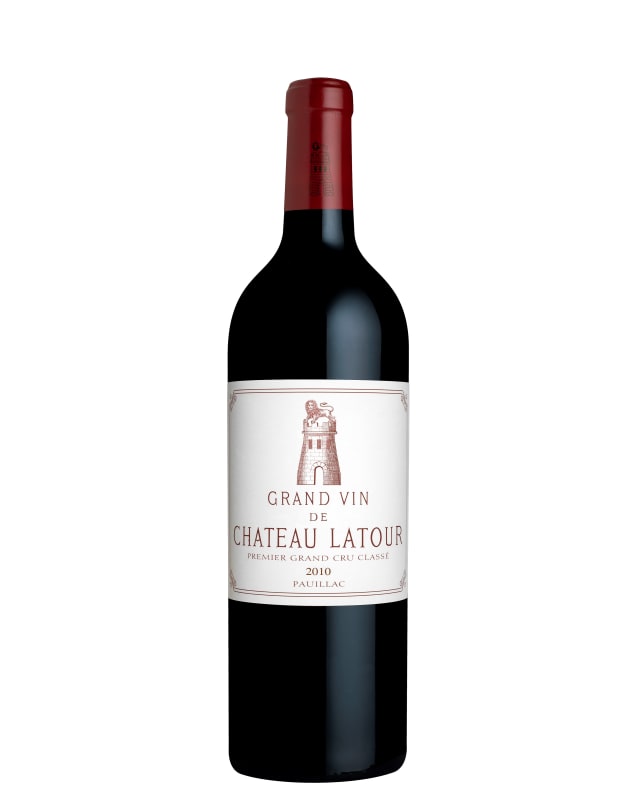


Winemaker Notes
Vintage Notes: After a mild and wet autumn, the first months of 2010 were particularly cold and dry. Consequently, bud-break was late and was observed on 10th April, though the ensuing summary weather hastened vegetative growth. The vines were in bloom on 3rd June but cold and wet weather early June led to shot and shattered berries in some zones. Seasonal weather returned during the third week of June. Water stress began to develop at the end of June in some plots in the Enclos and increased in July, further concentrating the berries. The colour-change occurred on 7th August and the grapes continued ripening in optimal conditions until harvest.
Professional Ratings
-
Decanter
I get the same peony and violet aromatics here as I did in Forts de Latour. This is powerful, muscular, not even getting close to being ready. The tannins crowd in from the mid palate onwards, extremely physical in the way they make their presence felt. Behind them, if you give the wine enough time in the glass, it gives black pepper spice, pencil lead, slate and compressed earth, along with cassis, bilberry and all the tight compact dark-berried fruits you can think of. Don't even consider this for another five years at least. This is a monumental Latour and a flashing signpost for how good this vintage is in Pauillac.
-
Jeb Dunnuck
The 2010 Château Latour is a monumental wine that exemplifies what greatness in Bordeaux can be. Still deep ruby/purple in color, it offers a stunning bouquet of blackcurrants, tobacco leaf, leather, and graphite. Full-bodied and deeply concentrated, it has a layered, expansive mouthfeel, building tannins, and the unmistakable class and regalness that define Latour.
-
Robert Parker's Wine Advocate
The 2010 Latour is deep garnet in color, and—WOW—it erupts from the glass with powerful crème de cassis, Black Forest cake and blackberry pie scents plus intense sparks of dried roses, cigar boxes, fragrant earth and smoked meats with aniseed and crushed rocks wafts. Full-bodied, concentrated and oh-so-decadent in the mouth, it has a firm, grainy texture and lovely freshness carrying the rich, opulent fruit to an epically long finish. It is incredibly tempting to drink now, but I suspect this hedonic experience isn't a scratch on the mind-blowing, otherworldly secrets this time capsule will have to reveal given another 7-10 years in bottle and continuing over the following fifty years++.
-
Vinous
The 2010 Latour is conspicuously deep in color. It has an intellectual, intense and captivating bouquet with mineral-rich black fruit, graphite and crushed rose petal scents. Utterly spellbinding. The palate is the real deal. Heavenly balance, perfect acidity with seamlessly integrated new oak, there is an enthralling crescendo towards a finish that is simply as good as Bordeaux gets. Impeccable. Tasted blind at Farr Vintners 10-Year On Bordeaux horizontal.
-
Wine Enthusiast
Stern, almost severe initially, this great wine takes time to show its immense fruit power. Black currant and blackberry notes are packed into the wine, along with an impressive array of spices from new wood that gives a more exotic element. At the end, though, it has a fine, structured sense of proportion. Obviously for aging over decades, so don't drink before 2022. Cellar Selection.
-
Wine Spectator
Unbelievably pure, with distilled cassis and plum fruit that cuts a very precise path, while embers of anise, violet and black cherry confiture form a gorgeous backdrop. A bedrock of graphite structure should help this outlive other 2010s. Powerful, sleek and incredibly long. Not perfect, but very close. Best from 2020 through 2050.


One of the world’s most classic and popular styles of red wine, Bordeaux-inspired blends have spread from their homeland in France to nearly every corner of the New World. Typically based on either Cabernet Sauvignon or Merlot and supported by Cabernet Franc, Malbec and Petit Verdot, the best of these are densely hued, fragrant, full of fruit and boast a structure that begs for cellar time. Somm Secret—Blends from Bordeaux are generally earthier compared to those from the New World, which tend to be fruit-dominant.

The leader on the Left Bank in number of first growth classified producers within its boundaries, Pauillac has more than any of the other appellations, at three of the five. Chateau Lafite Rothschild and Mouton Rothschild border St. Estephe on its northern end and Chateau Latour is at Pauillac’s southern end, bordering St. Julien.
While the first growths are certainly some of the better producers of the Left Bank, today they often compete with some of the “lower ranked” producers (second, third, fourth, fifth growth) in quality and value. The Left Bank of Bordeaux subscribes to an arguably outdated method of classification that goes back to 1855. The finest chateaux in that year were judged on the basis of reputation and trading price; changes in rank since then have been miniscule at best. Today producers such as Chateau Pontet-Canet, Chateau Grand Puy-Lacoste, Chateau Lynch-Bages, among others (all fifth growth) offer some of the most outstanding wines in all of Bordeaux.
Defining characteristics of fine wines from Pauillac (i.e. Cabernet-based Bordeaux Blends) include inky and juicy blackcurrant, cedar or cigar box and plush or chalky tannins.
Layers of gravel in the Pauillac region are key to its wines’ character and quality. The layers offer excellent drainage in the relatively flat topography of the region allowing water to run off into “jalles” or streams, which subsequently flow off into the Gironde.