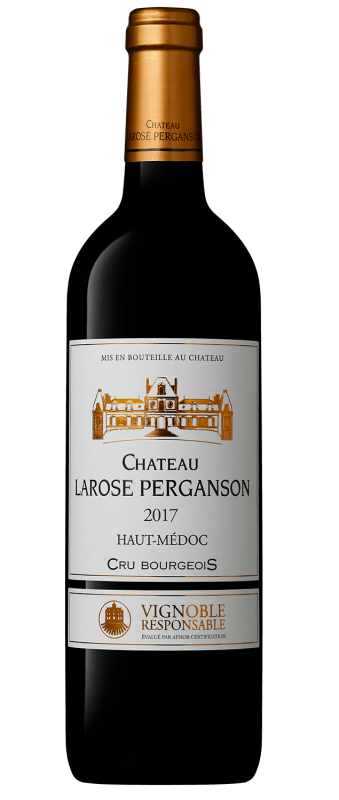


Winemaker Notes
Blend: 31% Cabernet Sauvignon, 57% Merlot, 12% de Petit Verdot
Professional Ratings
-
Wine Enthusiast
Under the same ownership as neighboring Larose-Trintaudon, this 86-acre estate is smaller. From close to Pauillac's vineyards, this blend holds a preponderance of Cabernet Sauvignon. Lightly smoky and richly endowed, the wood-aged wine has spice, ripe tannins and good potential. Drink from 2023.
-
James Suckling
Plums and blue fruit with salt-block and chalk undertones. Medium body. Creamy tannins. Savory and fruity finish.
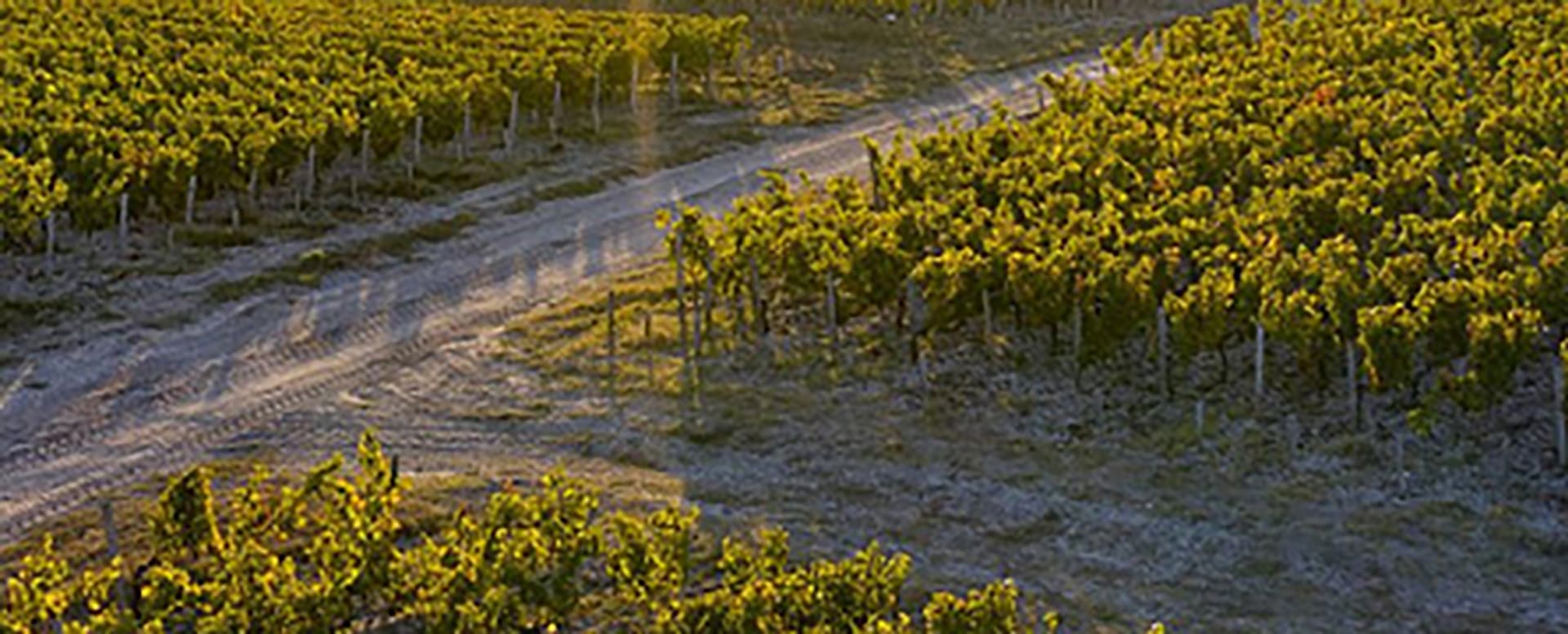



Chateau Larose-Perganson is a Haut-Medoc with a masterful tradition dating to 1719 when pioneer planter Jean-Pierre de Pontet discovered that the ancient Garonne riverbed, with its round Pyrenean pebbles deposited during the Quaternary period, created an exceptional terroir. The resulting wines developed remarkable power, structure, and ageing potential, earning Larose-Perganson a place among the legendary "new French clarets."
The estate's enduring respect for its terroir has kept it alive despite the loss of its chateau after the war. Today it is chateau-bottled at the neighboring Vignobles de Larose cellars at Larose-Trintaudon. While its lack of an independent chateau and legal entity prevents classification as a Cru Bourgeois Exceptionnel or organic certification, it was designated a Cru Bourgeois Superieur in 2020 and strictly follows organic production standards.

One of the world’s most classic and popular styles of red wine, Bordeaux-inspired blends have spread from their homeland in France to nearly every corner of the New World. Typically based on either Cabernet Sauvignon or Merlot and supported by Cabernet Franc, Malbec and Petit Verdot, the best of these are densely hued, fragrant, full of fruit and boast a structure that begs for cellar time. Somm Secret—Blends from Bordeaux are generally earthier compared to those from the New World, which tend to be fruit-dominant.

While it claims the same basic landscape as the Medoc—only every so slightly elevated above river level—the Haut Medoc is home to all of the magnificent chateaux of the Left Bank of Bordeaux, creating no lack of beautiful sites to see.
These chateaux, residing over the classed-growth cru in the villages of Margaux, Moulis, Listrac, St-Julien, Pauillac and St. Estephe are within the Haut Medoc appellation. Though within the confines of these villages, any classed-growth chateaux will most certainly claim village or cru status on their wine labels.
Interestingly, some classed-growth cru of the Haut Medoc fall outside of these more famous villages and can certainly be a source of some of the best values in Bordeaux. Deep in color, and concentrated in ripe fruit and tannins, these wines (typically Cabernet Sauvignon-based) often prove the same aging potential of the village classed-growths. Among these, the highest ranked chateaux are Chateau La Lagune and Chateau Cantemerle.