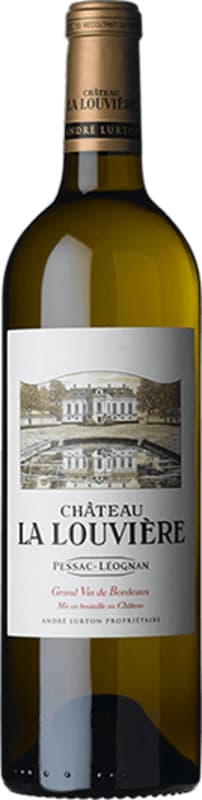


Winemaker Notes
This white wine is aged for a year in oak barrels. Delicate yet vigorous, with intense fruit flavors, it is a perfect example of the great dry wines of Pessac-Leognan.
It is lovely as aperitif and is an excellent complement to fish and seafood preparations.
Professional Ratings
-
James Suckling
Fragrant nose of lemongrass, lime zest, green pineapple, cloves and herbs. Vibrant and zesty, with a medium body. Driven. Plenty of tension and length, slowly evolving to cream, orange zest and white chocolate. Fantastic this year. Sauvignon blanc.
-
Decanter
Bright Sauvignon Blanc aromatics on the nose, this is good quality. Power, concentration and spliced citrus and slate minerality. Maintains momentum, easy to love. A yield of 31hl/ha, with 10 months ageing on lees with regular stirring in to fatten up the mouthfeel. An impressive La Louvière, stands out from recent vintages at this estate.
Barrel Sample: 93 -
Jeb Dunnuck
Clean lemon pith, honeyed pineapple, and some floral, spicy notes all emerge from the 2020 Chateau La Louviere Blanc, a medium-bodied, juicy, remarkably pure Graves Blanc that's going to continue drinking nicely for 5-7 years. This is classic stuff and well worth seeking out. Best After 2023.
-
Robert Parker's Wine Advocate
A successful rendition of this 100% Sauvignon Blanc bottling, which over the years has exemplified the winemaking style popularized by the late Denis Dubourdieu, the 2020 La Louvière Blanc exhibits aromas of pink grapefruit, lemongrass and pastry cream. Medium-bodied, bright and incisive, with a pretty core of fruit, bright acids and a saline finish, it's a charming middleweight that will likely put on a bit of weight with additional bottle age. It's bottled under Diam 30. Best after 2022.


Sometimes light and crisp, other times rich and creamy, Bordeaux White Blends typically consist of Sauvignon Blanc and Semillon. Often, a small amount of Muscadelle or Sauvignon Gris is included for added intrigue. Popularized in Bordeaux, the blend is often mimicked throughout the New World. Somm Secret—Sauternes and Barsac are usually reserved for dessert, but they can be served before, during or after a meal. Try these sweet wines as an aperitif with jamón ibérico, oysters with a spicy mignonette or during dinner alongside hearty Alsatian sausage.

Recognized for its superior reds as well as whites, Pessac-Léognan on the Left Bank claims classified growths for both—making it quite unique in comparison to its neighboring Médoc properties.
Pessac’s Chateau Haut-Brion, the only first growth located outside of the Médoc, is said to have been the first to conceptualize fine red wine in Bordeaux back in the late 1600s. The estate, along with its high-esteemed neighbors, La Mission Haut-Brion, Les Carmes Haut-Brion, Pique-Caillou and Chateau Pape-Clément are today all but enveloped by the city of Bordeaux. The rest of the vineyards of Pessac-Léognan are in clearings of heavily forested area or abutting dense suburbs.
Arid sand and gravel on top of clay and limestone make the area unique and conducive to growing Sémillon and Sauvignon blanc as well as the grapes in the usual Left Bank red recipe: Cabernet Sauvignon, Merlot, Cabernet Franc and miniscule percentages of Petit Verdot and Malbec.
The best reds will show great force and finesse with inky blue and black fruit, mushroom, forest, tobacco, iodine and a smooth and intriguing texture.
Its best whites show complexity, longevity and no lack of exotic twists on citrus, tropical and stone fruit with pronounced floral and spice characteristics.