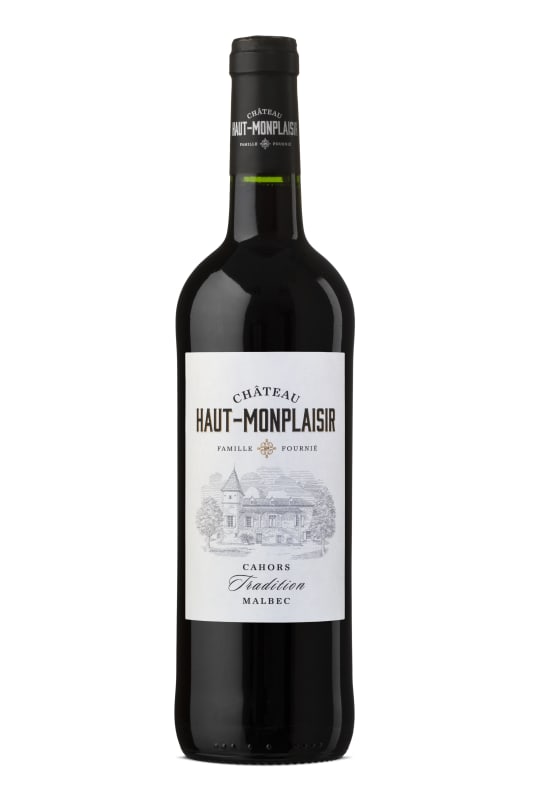


Winemaker Notes
Dark, rich fruit. Brooding, high-toned wild elegance. In contrast to Argentine Malbec, this is long and mineral rather than fat and fruity.
Pairs well with red meats and spicy meals.
Professional Ratings
-
James Suckling
Blueberries, currants, black cherries, bark and orange zest on the nose. Medium-bodied with firm, fine tannins. Supple texture with a juicy, flavorful finish. From organically grown grapes. Drink or hold.


Celebrated for its bold flavors and supple texture, Malbec has enjoyed runaway success in Argentina since the late 20th century. The grape originated in Bordeaux, France, where it historically contributed color and tannin to blends. A French agronomist, who saw great potential for the variety in Mendoza’s hot, high-altitude landscape, brought Malbec to Argentina in 1868. Somm Secret—If you’re trying to please a crowd, Malbec is generally a safe bet with its combination of dense fruit and soft tannins.

Within the Southwest of France, this is the one region outside of Argentina that is today almost exclusively dependent on Malbec. Locally the variety is called Cot, and makes a dense, earthy and black fruit dominant red wine. Both the Atlantic Ocean and Mediterranean both have a strong influence on the climate of this region.