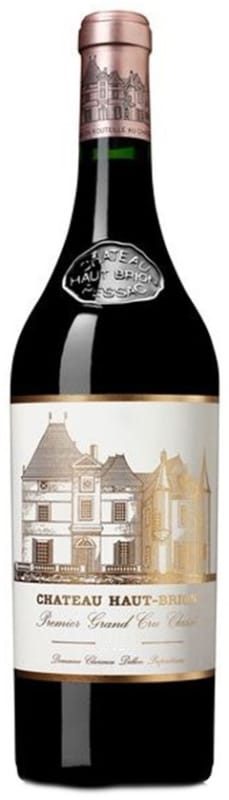


Winemaker Notes
The purplish-red color is the first sign of this wine's concentration. When swirled in the glass, it displays a deep, warm, very ripe bouquet. 2009 Chateau Haut-Brion is full of flavor from the beginning to end. It is so rich and concentrated that we are tempted to use the word "thick." However, this thickness is in no way synonymous with heaviness thanks to a counterbalancing freshness. 2009 Chateau Haut-Brion is reminiscent of 2005 in terms of power, but is even more concentrated.
Professional Ratings
-
James Suckling
Extravagant and exotic, but still lively, this is a super-concentrated and elegant wine that's already breathtaking, yet has enormous aging potential. Plenty of wet earth and mushroom character alongside the cassis and blackberry aromas. Super-long, perfectly balanced finish. Drink or hold.
-
Robert Parker's Wine Advocate
The 2009 Haut-Brion is deep garnet colored and slightly closed and shy to begin, slowly unfurling to reveal sensuous notions of warm blackberries, plum preserves, mulberries and blackcurrant cordial with touches of star anise, mocha and damp soil. Full-bodied, taut and tightly wound in the mouth, the palate delivers mouth-coating black fruit and mineral layers with a very firm frame of ripe, grainy tannins, finishing long and earthy. This needs time!
-
Decanter
Inky purple in colour, this has a rich, intense nose of damson, blackberry and olive paste. The palate is generous in texture and weight, more broad-shouldered than Château Margaux - which is already beginning to show its florality. This is balanced but well built in every inch. The warmth of the vintage coming through as fruit ripeness, liquorice, spice and punch, with the beginnings of truffle notes. There's no question of its excellence and its bonhomie.
-
Wine Spectator
This enormous young wine is among the most backward of the vintage at this early stage, with iron-clad grip holding the broad, deep core of blackberry, cassis and roasted fig notes in check for now. The finish is a torrent of dense, almost compressed layers of tobacco leaf, hot paving stone, singed bay leaf and tar that will take at least a decade to come together. This one is for the kids born in 2009. Best from 2020 through 2040.
-
Wine Enthusiast
Solid, very structured, packed with dense and dry tannins. There is a core of acidity and darkness that gives the wine a brooding, powerful character. At this stage, it seems austere although it does have the weight of fruit typical of the year.


One of the world’s most classic and popular styles of red wine, Bordeaux-inspired blends have spread from their homeland in France to nearly every corner of the New World. Typically based on either Cabernet Sauvignon or Merlot and supported by Cabernet Franc, Malbec and Petit Verdot, the best of these are densely hued, fragrant, full of fruit and boast a structure that begs for cellar time. Somm Secret—Blends from Bordeaux are generally earthier compared to those from the New World, which tend to be fruit-dominant.

Recognized for its superior reds as well as whites, Pessac-Léognan on the Left Bank claims classified growths for both—making it quite unique in comparison to its neighboring Médoc properties.
Pessac’s Chateau Haut-Brion, the only first growth located outside of the Médoc, is said to have been the first to conceptualize fine red wine in Bordeaux back in the late 1600s. The estate, along with its high-esteemed neighbors, La Mission Haut-Brion, Les Carmes Haut-Brion, Pique-Caillou and Chateau Pape-Clément are today all but enveloped by the city of Bordeaux. The rest of the vineyards of Pessac-Léognan are in clearings of heavily forested area or abutting dense suburbs.
Arid sand and gravel on top of clay and limestone make the area unique and conducive to growing Sémillon and Sauvignon blanc as well as the grapes in the usual Left Bank red recipe: Cabernet Sauvignon, Merlot, Cabernet Franc and miniscule percentages of Petit Verdot and Malbec.
The best reds will show great force and finesse with inky blue and black fruit, mushroom, forest, tobacco, iodine and a smooth and intriguing texture.
Its best whites show complexity, longevity and no lack of exotic twists on citrus, tropical and stone fruit with pronounced floral and spice characteristics.