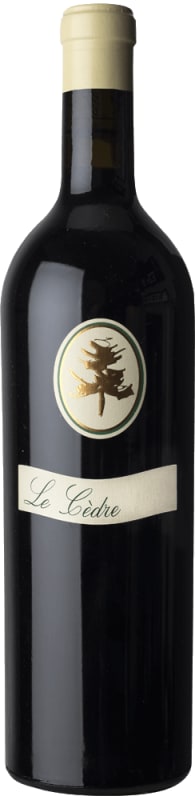


Winemaker Notes
The 27-hectare vineyard is planted on three parcels. Numerous passes are made in the vineyard to ensure the perfect health, quality, and ripeness of the grapes, and all the work is carried out by hand as, since 1992, no chemicals have been used. The grapes for this wine come from vines planted 30-50 years ago, located on the prized third row of terrasses and cropped at yields of only about 20hl/ha.
Professional Ratings
-
James Suckling
Lovely nose with dark cherries, boysenberries and stemmy herbs with a hint of dark earth and white pepper. Quite a narrow delivery with medium to full body and fine tannins. Lively and tense on the mid-palate, showing crunchy blueberries and a flavorful finish. From organically grown grapes. Already approachable now, but can hold.
-
Wine Enthusiast
From one of the leading estates in Cahors, this wine expresses an abundance of rich black-plum fruits. It is a fine, balanced wine with structured tannins and intense potential. The wine will be ready from 2026. Organic.
Cellar Selection -
Robert Parker's Wine Advocate
With an austere character, the 2020 Le Cèdre reveals a deep, somber bouquet of licorice, oak, dark berries and cedar. Full-bodied, sappy and dense, it has a fleshy core of fruit, structured tannins and a long but firm finish. The vintage is well captured in this wine, which will benefit from some time to mellow and fully integrate its powerful elements.


Celebrated for its bold flavors and supple texture, Malbec has enjoyed runaway success in Argentina since the late 20th century. The grape originated in Bordeaux, France, where it historically contributed color and tannin to blends. A French agronomist, who saw great potential for the variety in Mendoza’s hot, high-altitude landscape, brought Malbec to Argentina in 1868. Somm Secret—If you’re trying to please a crowd, Malbec is generally a safe bet with its combination of dense fruit and soft tannins.

Within the Southwest of France, this is the one region outside of Argentina that is today almost exclusively dependent on Malbec. Locally the variety is called Cot, and makes a dense, earthy and black fruit dominant red wine. Both the Atlantic Ocean and Mediterranean both have a strong influence on the climate of this region.