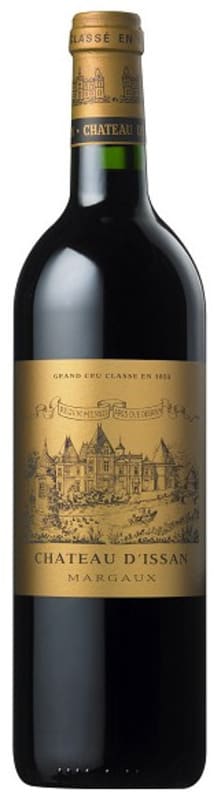


Winemaker Notes
Professional Ratings
-
Wine Enthusiast
This is a serious wine, with dense tannins and concentrated structure. It has strong wood and smoky bacon notes that need to harmonize with the dark plum flavor and ample acidity.
Barrel Sample: 93-95 Points -
Decanter
Still feels very much on the primary fruit. Oh this should really develop beautifully – high and tight tannins, good acidity, good fruit, maybe lacks a little luxurious texture but seems to be quivering on the leash, ready to spring out of the box. Dark fruit on the nose, blackberry, with liquorice and even hints of tar. A young, big wine with ambition, and definite promise. Chewier tannins than many on display.
-
James Suckling
Complex aromas of sweet tobacco, chocolate, cedar and plums. Undertones of blackcurrants and dark chocolate. Dense and tight with a beautifully and tightly knit palate, yet this shows so much intensity and length. Love the wet-earth and berry character on the finish. Give this three to four years to soften even if it’s fantastic already to taste.
-
Jeb Dunnuck
The 2014 Château d’Issan is a step back from the 2015 yet is still a beautiful and elegant wine from this estate. Its ruby/purple-tinged color is followed by a gorgeous set of aromatics including currants, cedar, lead pencil, and flowers. With an herbal edge, medium to full-bodied richness, terrific concentration, and a focused, chiseled finish, this is pure class all the way. It’s already approachable but should be at its best from 2020-2040.
-
Robert Parker's Wine Advocate
The 2014 D'Issan has a crisp, pure bouquet, quite tight and reticent like the 2014 Marquis d'Alesme Becker, eventually offering blackberry, soy and cedar scents, almost Saint Julien in style. The palate is medium-bodied with a touch of herbaceousness on the entry, but there is plenty of fruit behind it. I like the classic style of this d'Issan, the pepperiness of the Cabernet driving the structured and quite masculine (for Margaux) finish. This is beginning to show the class that I thought it would and it may merit a higher score in the future.
Rating: 91+



Château d’Issan is in the heart of the Margaux appellation, a truly privileged location, which explains the outstanding quality of its wines. The mild weather, regulated by being close to the sea and the Gironde Estuary, provides ideal conditions for vine growth. The vines at Château d’Issan benefit from close, on-going care designed to produce perfectly ripe grapes. Everything is organized so that each individual plot can be tended independently in order to get the very best out of its fruit. Château d’Issan is a Third Growth of the 1855 Imperial Classification. The wine is made from the old vines in the Château d’Issan enclosure in the middle of the Margaux appellation. The soil here is mainly made up of surface gravel on top of a clay subsoil, which contributes to optimal ripeness and freshness in our two grape varieties, Cabernet Sauvignon 65% and Merlot 35%. Château d’Issan expresses the exquisite bouquet so characteristic of Margaux, and stands out with its suppleness, subtlety, elegance and long keeping potential that come from its unique terroir.

One of the world’s most classic and popular styles of red wine, Bordeaux-inspired blends have spread from their homeland in France to nearly every corner of the New World. Typically based on either Cabernet Sauvignon or Merlot and supported by Cabernet Franc, Malbec and Petit Verdot, the best of these are densely hued, fragrant, full of fruit and boast a structure that begs for cellar time. Somm Secret—Blends from Bordeaux are generally earthier compared to those from the New World, which tend to be fruit-dominant.

Silky, seductive and polished are the words that characterize the best wines from Margaux, the most inland appellation of the Médoc on the Left Bank of Bordeaux.
Margaux’s gravel soils are the thinnest of the Médoc, making them most penetrable by vine roots—some reaching down over 23 feet for water. The best sites are said to be on gentle outcrops, or croupes, where more gravel facilitates good drainage.
The Left Bank of Bordeaux subscribes to an arguably outdated method of classification but it is nonetheless important in regards to history of the area. In 1855 the finest chateaux were deemed on the basis of reputation and trading price—at that time. In 1855, Chateau Margaux achieved first growth status, yet it has been Chateau Palmer (officially third growth from the 1855 classification) that has consistently outperformed others throughout the 20th century.
Chateau Margaux in top vintages is capable of producing red Cabernet Sauvignon based wines described as pure, intense, spell-binding, refined and profound with flavors and aromas of black currant, violets, roses, orange peel, black tea and incense.
Other top producers worthy of noting include Chateau Rauzan-Ségla, Lascombes, Brane-Cantenac, and d’Issan, among others.
The best wines of Margaux combine a deep ruby color with a polished structure, concentration and an unrivaled elegance.