

Winemaker Notes
Epitomizing a sophisticated, food driven wine, Les Clans (entirely fermented and aged in large French oak barrels) represents a particular disconnect with Rosé in general as it is quite remarkable with potential to age or, if tempted, to enjoy with great pleasure sooner rather than later. This wine is both rich and exotic while being full bodied and elegant.
Professional Ratings
-
James Suckling
Loads of pretty coconut oil, crushed stones and cherry blossom. Dense and flavorful on the palate for a rosé, but vibrant and agile. Cutting acidity drives home layers of nectarines and the finish is textured and phenolic.
-
Wine Enthusiast
This wood-aged wine has a good balance between spicy toast and ripe red fruits. It is rich, with a dense structure and impressive concentration. The extra year after harvest has given the wine depth and a smooth maturity. Drink now.
-
Robert Parker's Wine Advocate
Fermented and aged in a mix of new and second use demi-muids, the 2018 Cotes de Provence Rose Les Clans boasts distinctly oak-derived notes of toast, vanilla and even a touch of movie popcorn. The subtleties of red berries are largely lost, and the wine comes across as more of a white wine than a rosé, albeit a broad, generous one. Full-bodied, silky textured, ripe and round on the palate, it does pull things together into a crisp, grapefruity finish with admirable length.



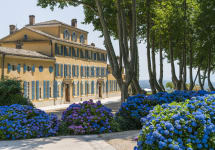
Château d’Esclans, a magical property, is situated in the heart of Provence, northeast of St. Tropez overlooking La Vallée d’Esclans (the Esclans Valley) with the Mediterranean coast in the faint distance. The vision of Sacha Lichine (Founder) with his acquisition of the Château in 2006 was to create the greatest rosés in the world igniting the “Rosé Renaissance”.
Patrick Léon (Founding Winemaker) became an essential part of the project bringing his many years of international winemaking experience to Château d’Esclans. He introduced new and innovative winemaking techniques to Provence which revolutionized the styles of rosés being produced from this appellation. This led to the creation of a world class rosé portfolio from Château d’Esclans including Whispering Angel, Rock Angel, Les Clans, and Garrus: a new generation of rosés characterized by elegance, depth, richness and complexity. Today, Patrick’s son Bertrand currently leads the winemaking team following in the footsteps of his father.
Sold in over 100 countries, these rosés are enjoyed globally from London to the Hamptons, and from St. Barth’s to the Swiss Alps. Whether you are relaxing by the beach, on a yacht, or in the mountains during “après ski”, Château d’Esclans rosés are a light and refreshing accompaniment to any destination. Whispering Angel is today’s worldwide reference for Provence rosé.
"In the Esclans Valley angels whisper. If you drink this wine, you might hear them… If you visit us, you might see them.” - Sacha Lichine
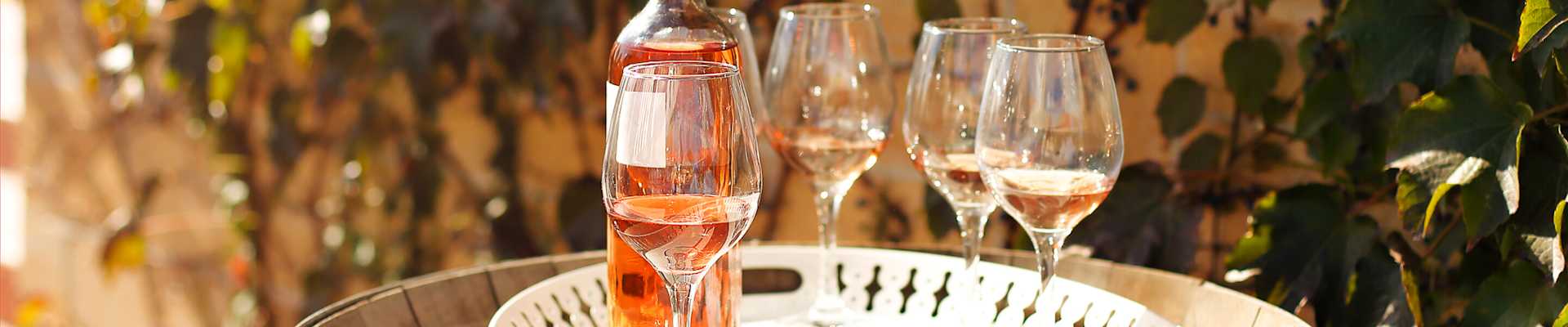
Whether it’s playful and fun or savory and serious, most rosé today is not your grandmother’s White Zinfandel, though that category remains strong. Pink wine has recently become quite trendy, and this time around it’s commonly quite dry. Since the pigment in red wines comes from keeping fermenting juice in contact with the grape skins for an extended period, it follows that a pink wine can be made using just a brief period of skin contact—usually just a couple of days. The resulting color depends on grape variety and winemaking style, ranging from pale salmon to deep magenta.

Cotes de Provence is an extensive but valuable appellation that includes vineyards bordering the main Provencal appellations. Its sites vary from subalpine hills, which receive the cooling effects of the mountains to the north, to the coastal St-Tropez, a region mainly influenced by the warm Mediterranean sunshine.
Here the focus is on quality rosé, as it defines four fifths of the region’s wines. Following in the rosé footsteps, a lot of new effort is going into the region’s red production as well. A new generation has turned its focus on high quality Grenache, Syrah, Cinsault and Carignan. Cotes de Provence white wines, which represent a miniscule part of the region as far as volume, are nonetheless worthy of consideration and can include any combination of Clairette, Semillon, Ugni Blanc and Vermentino.