
Winemaker Notes
Professional Ratings
-
James Suckling
This shows a light orange hue to its light rosé petal color. Peaches and creamy aromas with hints of lightly strawberries. Full body, yet fresh and lively with vanilla and hints of coconut. Very flavorful and intense. This is made from 50 to 70 old vines of mostly Grenache. Bottled in August 2011 after 10 months in 600-liter oak. Tastes like a top white Burgundy. Give it a little bottle age to come together. Grenache, Rolle, Tibouren, Cinsault and Syrah.
-
Wine Spectator
The mouthfilling flavors of dried cherry, currant and ripe pear are flanked by concentrated notes of allspice and dark chocolate. The finish unfolds with layers of candied ginger, pineapple and cream that are unctuous and complex.



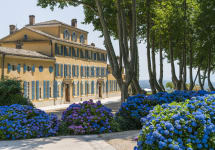
Château d’Esclans, a magical property, is situated in the heart of Provence, northeast of St. Tropez overlooking La Vallée d’Esclans (the Esclans Valley) with the Mediterranean coast in the faint distance. The vision of Sacha Lichine (Founder) with his acquisition of the Château in 2006 was to create the greatest rosés in the world igniting the “Rosé Renaissance”.
Patrick Léon (Founding Winemaker) became an essential part of the project bringing his many years of international winemaking experience to Château d’Esclans. He introduced new and innovative winemaking techniques to Provence which revolutionized the styles of rosés being produced from this appellation. This led to the creation of a world class rosé portfolio from Château d’Esclans including Whispering Angel, Rock Angel, Les Clans, and Garrus: a new generation of rosés characterized by elegance, depth, richness and complexity. Today, Patrick’s son Bertrand currently leads the winemaking team following in the footsteps of his father.
Sold in over 100 countries, these rosés are enjoyed globally from London to the Hamptons, and from St. Barth’s to the Swiss Alps. Whether you are relaxing by the beach, on a yacht, or in the mountains during “après ski”, Château d’Esclans rosés are a light and refreshing accompaniment to any destination. Whispering Angel is today’s worldwide reference for Provence rosé.
"In the Esclans Valley angels whisper. If you drink this wine, you might hear them… If you visit us, you might see them.” - Sacha Lichine
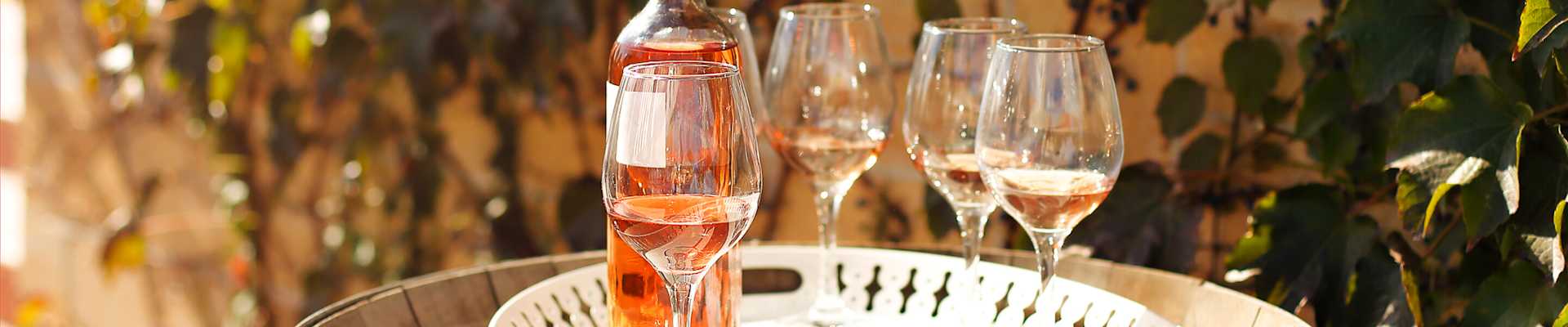
Whether it’s playful and fun or savory and serious, most rosé today is not your grandmother’s White Zinfandel, though that category remains strong. Pink wine has recently become quite trendy, and this time around it’s commonly quite dry. Since the pigment in red wines comes from keeping fermenting juice in contact with the grape skins for an extended period, it follows that a pink wine can be made using just a brief period of skin contact—usually just a couple of days. The resulting color depends on grape variety and winemaking style, ranging from pale salmon to deep magenta.

More than just a European vacation hotspot and rosé capital of the world, Provence, in southeastern France, is a coastal appellation producing interesting wines of all colors. The warm, breezy Mediterranean climate is ideal for grape growing and the diverse terrain and soil types allow for a variety of wine styles within the region. Adjacent to the Rhône Valley, Provence shares some characteristics with this northwestern neighbor—namely, the fierce mistral wind and the plentiful wild herbs (such as rosemary, lavender, juniper and thyme) often referred to as garrigue. The largest appellation here is Côtes de Provence, followed by Coteaux d’Aix-en-Provence.
Provence is internationally acclaimed for dry, refreshing, pale-hued rosé wines, which make up the vast majority of the region’s production. These are typically blends, often dominated by Mourvèdre and supplemented by Grenache, Cinsault, Tibouren and other varieties.
A small amount of full-bodied, herbal white wine is made here—particularly from the Cassis appellation, of Clairette and Marsanne. Other white varieties used throughout Provence include Roussane, Sémillon, Vermentino (known locally as Rolle) and Ugni Blanc.
Perhaps the most interesting wines of the region, however, are the red wines of Bandol. Predominantly Mourvèdre, these are powerful, structured, and ageworthy wines with lush berry fruit and savory characteristics of earth and spice.