


Winemaker Notes
This unique white from the south is a rival of its renowned brothers in the north, due to its elegant flavors and tasty finish as a result of the high-quality terroir and slow maturation of the northern-facing grapes. One will be pleasantly surprised by its structure despite the volume produced, and its floral and fine elegance renders the wine crisp and pure. This white is well matched with langoustines, scallops and lobster. Fine white fish will be perfect, in a salt crust, with a white butter sauce, or simply grilled with wild fennel.
Blend: 50% Clairette, 30% Bourboulencand, 205 Marsanne & Ugni Blanc.

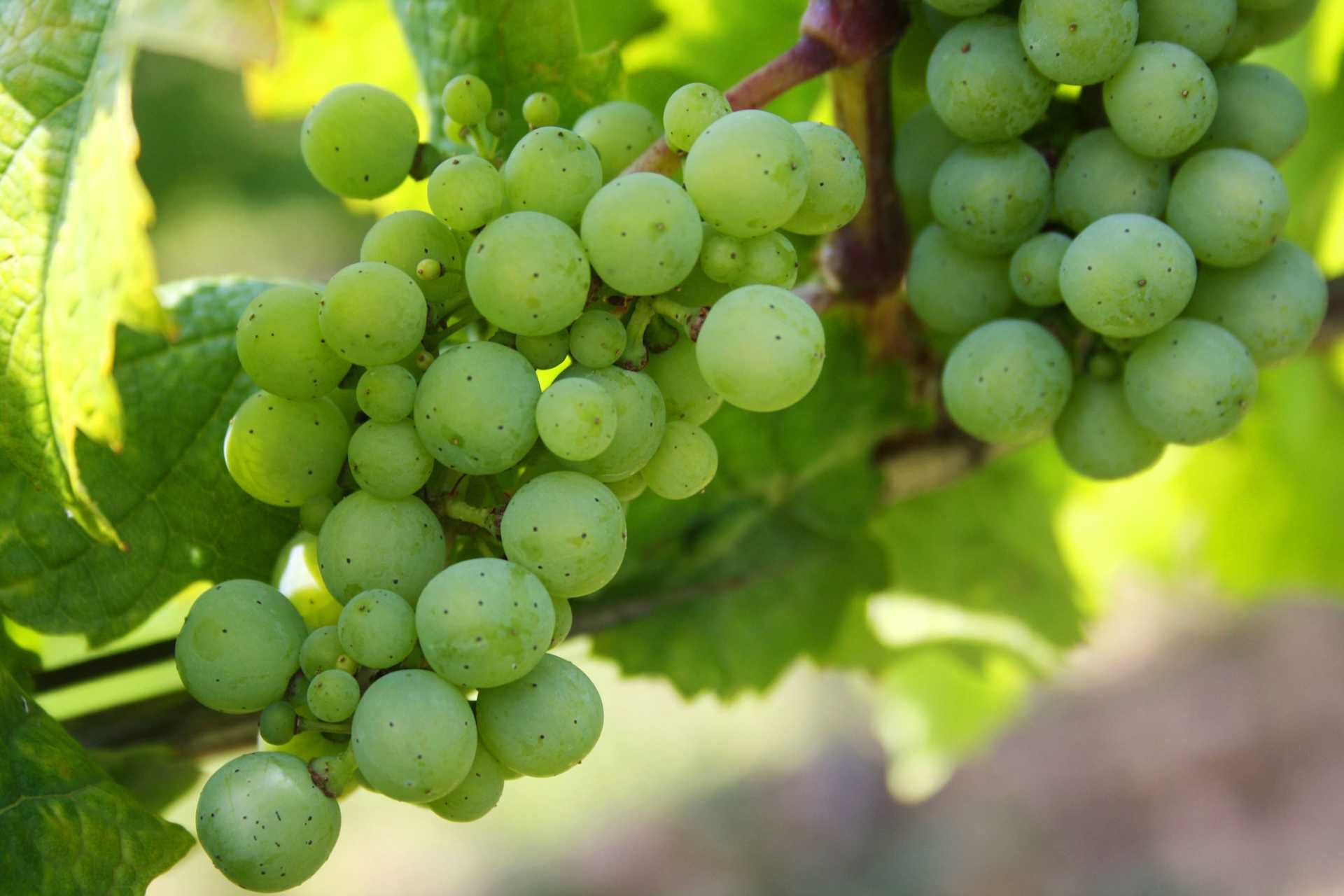
With hundreds of white grape varieties to choose from, winemakers have the freedom to create a virtually endless assortment of blended white wines. In many European regions, strict laws are in place determining the set of varieties that may be used in white wine blends, but in the New World, experimentation is permitted and encouraged. Blending can be utilized to enhance balance or create complexity, lending different layers of flavors and aromas. For example, a variety that creates a soft and full-bodied white wine blend, like Chardonnay, would do well combined with one that is more fragrant and naturally high in acidity. Sometimes small amounts of a particular variety are added to boost color or aromatics. Blending can take place before or after fermentation, with the latter, more popular option giving more control to the winemaker over the final qualities of the wine.

Provence’s leader in concentrated and age-worthy red wines, Bandol is home to the dense, deep and earthy Mourvèdre grape. Like Châteauneuf-du-Pape, Bandol produces characterful reds that, while approachable in their youth, are typically designed for the cellar.
Given its coastal, Provencal situation, Bandol also naturally produces an assortment of charming, aromatic rosés made of Mourvèdre, Grenache and Cinsault.