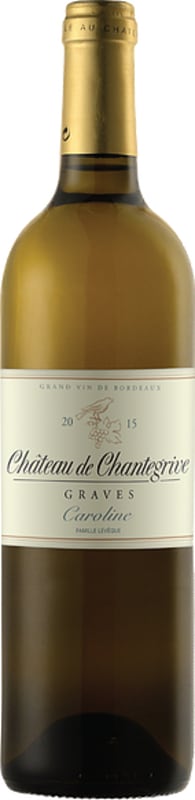


Winemaker Notes
Golden color with green hues. An elegant and intense nose of vanilla, fresh butter, citrus, apricot and lime. The palate has a nice fruity start with balanced oak and a long finish on exotic fruits and wild mint. Perfect with sea-food, Scallops, prawns, white meat, oven-baked fish, or with cream sauce, sweetbreads, light cheese and foie gras.
Professional Ratings
-
James Suckling
Attractive papaya, lemon and dried peaches as well as a gently grassy, stony edge. The palate has terrific purity and clarity of citrus and tangy tropical-fruit flavors. The acidity holds the finish really fresh and super vibrant.
-
Decanter
Darker tone than the normal cuvée, with rather evident barrel-derived toasted notes from the aging in 50% new oak and lees stirring. Appealing candied lemon flavour yields a hint of bitter almond, so not quite as 'clean' as the regular cuvée, but with its richness could face even foie gras, let alone roasted poultry or fish in cream sauces. Drinking Window 2020 - 2024
-
Jeb Dunnuck
Starting with the white, the 2015 Château de Chantegrive Blanc shows how strong this vintage is for the whites and offers lots of apples, citrus, honey and floral notes in a medium-bodied, clean, classy style. Drink it over the coming 4-5 years.


Sometimes light and crisp, other times rich and creamy, Bordeaux White Blends typically consist of Sauvignon Blanc and Semillon. Often, a small amount of Muscadelle or Sauvignon Gris is included for added intrigue. Popularized in Bordeaux, the blend is often mimicked throughout the New World. Somm Secret—Sauternes and Barsac are usually reserved for dessert, but they can be served before, during or after a meal. Try these sweet wines as an aperitif with jamón ibérico, oysters with a spicy mignonette or during dinner alongside hearty Alsatian sausage.

Famous for both its red and white wines, Graves is a large region, extending 30 miles southeast of the city of Bordeaux, along the left bank of the Garonne River. Red wine producing vineyards cover well over three times as much area as the whites. In the late 1980s, the French created the separate appellation of Pessac-Léognan within the northern confines of Graves. It includes all of its most famous properties, and the southern suburbs of the city Bordeaux itself. In French "graves" is a term used to indicate gravelly soils.