

Winemaker Notes
A very complex aromatic bouquet of fresh and cooked fruit, undergrowth, garrigue, pepper and fresh vegetal notes. On the palate, there is the same generous expression of fruit, the balance is harmonious and full-bodied, supported by fine tannins which bring a pleasant freshness. The finish is long and rich, with notes of jam and chocolate.
Blend: 52% Syrah, 19% Mourvèdre, 20% Carignan, 9% Grenache
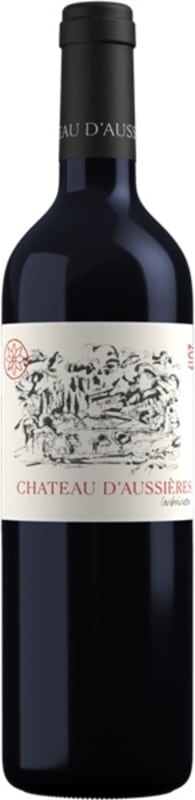
The label for Château d'Aussières Corbières is in the process of changing. You may receive either of these two labels featured above. Specific labels cannot be requested.
Professional Ratings
-
Decanter
The first, wider release on the Place de Bordeaux for this wine outside of DBR Lafite. Beautiful beguiling fragrance on the nose, smells floral with dried roses and herbs, fragrant, sun-kissed blackberries and cherries and a touch of smoke. Clean and clean, focussed with beautifully delineated tannins and a sense of seriousness to the frame. Crisp, straight and well defined with mouthwatering, juicy acidity balancing the tangy, spiced fruit and layers of minerality. Rich and heady, confident but so harmonious on the palate with a long, clean, crystalline finish. Refined and forward finishing with a black olive and sweet and spiced plum aspect. First year of organic conversion. A blend of 52% Syrah, 19% Mourvedre, 20% Carignan (a little bit with carbonic maceration) and 9% Grenache. 3.66pH. Yield 40hl/ha. Ageing 50% stainless steel, 50% new and one-year-old barrels. Technical manager Olivier Richaud.
-
James Suckling
Blackcurrants, slate, crushed stone and berries with hints of chocolate. Medium-bodied, bright and racy. Vivid at the end. A blend of syrah, carignan, mourvedre and grenache.


With bold fruit flavors and accents of sweet spice, Grenache, Syrah and Mourvèdre form the base of the classic Rhône Red Blend, while Carignan, Cinsault and Counoise often come in to play. Though they originated from France’s southern Rhône Valley, with some creative interpretation, Rhône blends have also become popular in other countries. Somm Secret—Putting their own local spin on the Rhône Red Blend, those from Priorat often include Merlot and Cabernet Sauvignon. In California, it is not uncommon to see Petite Sirah make an appearance.

The Corbières AOC, established in 1985, is the largest in the Languedoc, and represents the South of France in transition. Though viticulture here dates back to the Romans, only within the last twenty years have Corbières wines begun to reclaim their reputation. Approved for reds, rosés, and whites, the region's vineyards cover a wide variety of elevations, soil types, and exposures. Hilly terrain and the Atlantic Cers wind moderate the Mediterranean heat, giving the wines balance and complexity; the best will go ten years or more in the cellar.
Reds represent 88% of the AOC’s production and are an assemblage of the sun-loving grapes of southern France. Carignan’s briars, Grenache’s berries, Syrah’s cherries and Mourvèdre’s plums allow for a wide range of styles, which are often influenced by the wild herbs of the garrigue. Corbières rosés, though only 9% of production, are serious wines and the small production of Rhône-variety whites are fresh and sea-influenced.
With eleven sub-appellations, Corbières is an AOC in the process of refinement. Corbières-Boutenac attained Cru status in 2005, one of only five in the Languedoc to achieve this highest ranking.