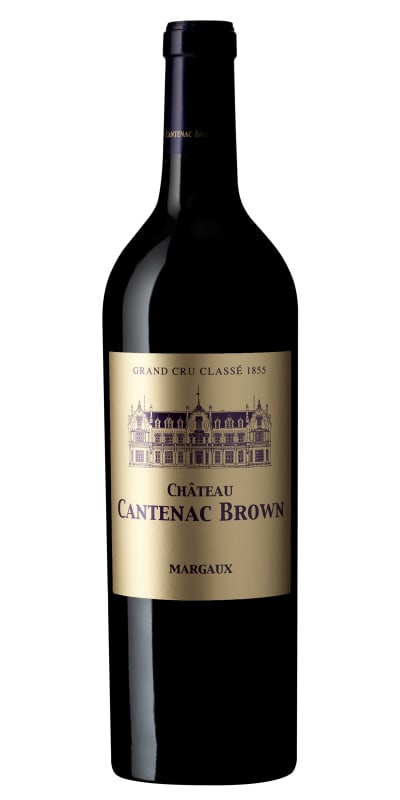


Winemaker Notes
The soul of a great terroir, a radiant, full-bodied, velvety wine for keeping. It stands out by its fresh fruit flavors, its density and its very fine tannins. Its best vintages express freshness, an elegant bouquet of red and black fruits, with opulence and tension on the finish, and spicy undertones.
Blend: 69% Cabernet Sauvignon, 31% Merlot
Professional Ratings
-
Decanter
Juicy and lively, cool and crisp with concentrated but cool tannins that give the structure and density. It's massy, full, upfront, but retains a charm in that nothing is harsh or austere or too spiced. It's full but there's something very captivating about this, has excitement and vibrancy and will be totally delicious and moreish when the time is right. Lovely acidity, beautiful red fruits, crisp and tense yet layered and ripe, mineral too. Gives you the emotion!
Barrel Sample: 96 -
James Suckling
Gorgeous blackberry, blackcurrant and tapenade aromas follow through to a medium body with super-integrated tannins that are very refined. The thick, polished, silky texture is impressive.
-
Robert Parker's Wine Advocate
the 2022 Cantenac Brown has turned out well in bottle, exhibiting a complex bouquet of plums, dark berries and cherries, mingled with hints of pen ink, violets and pencil shavings. Full-bodied, dense and pure, with a rich chassis of sweet, integrated tannins, this is a serious, complete Margaux that's built for the cellar.
-
Wine Spectator
Another beautifully rendered expression of the vintage, this marries lush boysenberry and blackberry fruit with fresh violet and iris notes, then stitches it all up gently with warm earth on the stylish, lengthy finish. It's hard to lay off already, but cellaring is warranted. Cabernet Sauvignon and Merlot.
-
Jeb Dunnuck
Ripe red and black fruits, chocolate oak, graphite, and floral nuances all define the 2022 Château Cantenac Brown, a medium to full-bodied, nicely balanced Margaux that has integrated background oak, fine, polished tannins, and a great finish. Based on 69% Cabernet Sauvignon and 31% Merlot, from clay and limestone soils and aged 16 months.


One of the world’s most classic and popular styles of red wine, Bordeaux-inspired blends have spread from their homeland in France to nearly every corner of the New World. Typically based on either Cabernet Sauvignon or Merlot and supported by Cabernet Franc, Malbec and Petit Verdot, the best of these are densely hued, fragrant, full of fruit and boast a structure that begs for cellar time. Somm Secret—Blends from Bordeaux are generally earthier compared to those from the New World, which tend to be fruit-dominant.

Silky, seductive and polished are the words that characterize the best wines from Margaux, the most inland appellation of the Médoc on the Left Bank of Bordeaux.
Margaux’s gravel soils are the thinnest of the Médoc, making them most penetrable by vine roots—some reaching down over 23 feet for water. The best sites are said to be on gentle outcrops, or croupes, where more gravel facilitates good drainage.
The Left Bank of Bordeaux subscribes to an arguably outdated method of classification but it is nonetheless important in regards to history of the area. In 1855 the finest chateaux were deemed on the basis of reputation and trading price—at that time. In 1855, Chateau Margaux achieved first growth status, yet it has been Chateau Palmer (officially third growth from the 1855 classification) that has consistently outperformed others throughout the 20th century.
Chateau Margaux in top vintages is capable of producing red Cabernet Sauvignon based wines described as pure, intense, spell-binding, refined and profound with flavors and aromas of black currant, violets, roses, orange peel, black tea and incense.
Other top producers worthy of noting include Chateau Rauzan-Ségla, Lascombes, Brane-Cantenac, and d’Issan, among others.
The best wines of Margaux combine a deep ruby color with a polished structure, concentration and an unrivaled elegance.