

Winemaker Notes
Professional Ratings
-
Wine Enthusiast
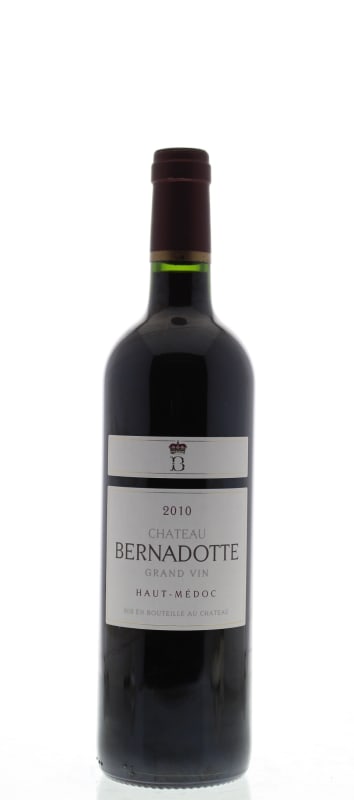
Strong new-wood aromas lead to a palate that is layered with firm tannins, a polished toast character and a sufficient ripe blackberry flavor to balance. This 2010 bottling shows that this is a chateau to watch. Cellar Selection.
-
Wine Spectator
Racy and bright, with kirsch, floral and chalk notes. The finish has good nervosite and tension. Tightly wound now, but the length is there. Equal parts Cabernet Sauvignon and Merlot.
Barrel Sample: 89-92 Points -
James Suckling
Lots of currants and sweet tobacco in this wine on the nose. Full body, with firm tannins and a fresh finish. Tight and silky. Drink or hold.


One of the world’s most classic and popular styles of red wine, Bordeaux-inspired blends have spread from their homeland in France to nearly every corner of the New World. Typically based on either Cabernet Sauvignon or Merlot and supported by Cabernet Franc, Malbec and Petit Verdot, the best of these are densely hued, fragrant, full of fruit and boast a structure that begs for cellar time. Somm Secret—Blends from Bordeaux are generally earthier compared to those from the New World, which tend to be fruit-dominant.

One of the most—if not the most—famous red wine regions of the world, the Medoc reaches from the city of Bordeaux northwest along the left bank of the Gironde River almost all the way to the Atlantic. Its vineyards climb along a band of flatlands, sandwiched between the coastal river marshes and the pine forests in the west. The entire region can only claim to be three to eight miles wide (at its widest), but it is about 50 miles long.
While the Medoc encompasses the Haut Medoc, and thus most of the classed-growth villages (Margaux, Moulis, Listrac, St-Julien, Pauillac and St. Estephe) it is really only those wines produced in the Bas-Medoc that use the Medoc appellation name. The ones farther down the river, and on marginally higher ground, are eligible to claim the Haut Medoc appellation, or their village or cru status.
While the region can’t boast a particularly dramatic landscape, impressive chateaux disperse themselves among the magically well-drained gravel soils that define the area. This optimal soil draining capacity is completely necessary and ideal in the Medoc's damp, maritime climate. These gravels also serve well to store heat in cooler years.