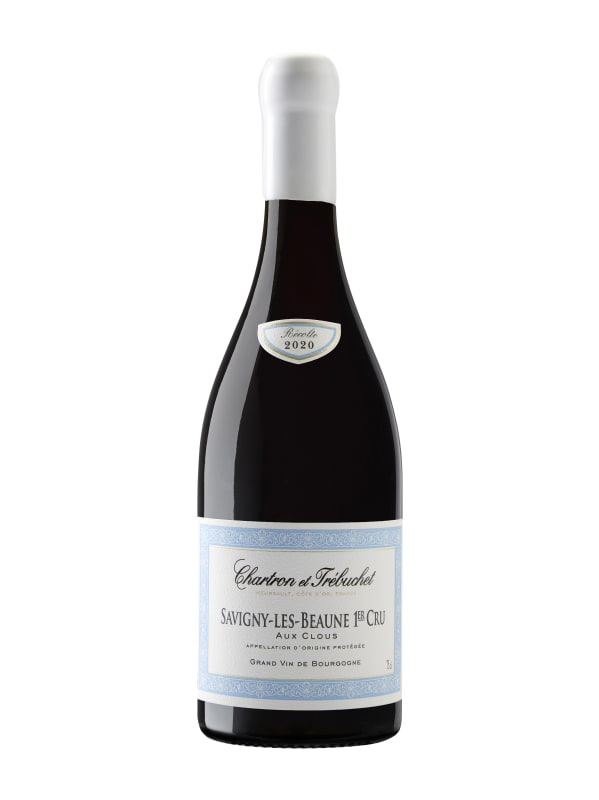


Winemaker Notes
Bright purple in color, this wine is rich with power. The nose is marked by red fruits such as cherry and raspberry.
Ideal with meat: beef pieces, roasts, poultry or even foie gras.
Professional Ratings
-
James Suckling
Attractive raspberries and mossy cranberries to the nose with a hint of wet stones. Fresh yet plump on the medium-bodied palate, showing some bright raspberries and licorice characters.


Thin-skinned, finicky and temperamental, Pinot Noir is also one of the most rewarding grapes to grow and remains a labor of love for some of the greatest vignerons in Burgundy. Fairly adaptable but highly reflective of the environment in which it is grown, Pinot Noir prefers a cool climate and requires low yields to achieve high quality. Outside of France, outstanding examples come from in Oregon, California and throughout specific locations in wine-producing world. Somm Secret—André Tchelistcheff, California’s most influential post-Prohibition winemaker decidedly stayed away from the grape, claiming “God made Cabernet. The Devil made Pinot Noir.”

Savigny-lès-Beaune is a small village near Beaune that produces delightful red and white wines under its own appellation name. Cut by a river, the vineyards on its southern side have sandy soils that result in charming, floral reds. Premiers Crus vineyards on this side include Les Peuillets, Les Narbantons, Les Rouvrettes and Les Marconnets.
On Savigny’s northern side, bordering Pernand-Vergelles, vineyards are planted on rocky soils and produce juicy and spicy Pinot Noir. The village’s best whites, all made of Chardonnay, are full on the palate and abound in texture, complexity and freshness.