


Winemaker Notes
Pale, crystalline gold with the typical glints of the Chardonnay varietal. The aromas of mature Chardonnay can be recognized initially: white peach, candied citrus with notes of lime, honeysuckle and fresh hazelnut, giving way to subtle hints of tangerine and lemon. Freshness and tautness mark this typically Charles generosity: the attack is pure and forthright, not aggressive with a surprising suavity for a Blanc de Blancs and emblematic of the maturation of wines in two thousand-year-old chalk cellars.
The Chardonnay from this Blanc de Blancs offers a bold attack and a balanced finish, surprising for its minerality. This salinity and elegant tautness make for a perfect pairing with seafood dishes or creamy cheeses that will contrast nicely with its vivacity.
Professional Ratings
-
Wine Enthusiast
Chardonnay from the Côte des Blancs gives a Champagne that has a white-fruit aroma and citrus freshness. At the same time, this bottling is mineral, beautifully textured and lightly yeasty.
-
James Suckling
Very clean and transparent on the nose with sliced apples, delicate lemon curd and hints of chalk. Zesty. Medium-bodied with plenty of lemons and grapefruit, tangy and bright. Zingy. Electric at the end. 13 percent of the 2020 base wine fermented and aged in barrel. 30% reserve wine.
-
Wine Spectator
Hints of vanilla, brioche and spun honey enrich flavors of baked white peach and persimmon, lemon curd, and anise in this plush Champagne, honed by vibrant acidity. Mouthwatering and long, with notes of grilled macadamia nut and fragrant spices on the finish.
-
Jeb Dunnuck
This year began with rapid maturity, followed by a hot and dry summer, with a lot of concentration in the grapes. Pouring a bright medium yellow hue, the NV Champagne Blanc De Blancs Brut is based on 2020 and was disgorged in 2024. Made with 30% reserve wine, with 5-6% of the wine vinified in oak barrels, it has a lush and smooth, rounded, pillowy mousse, with ripe fruit of meringue and lemon curd. Classic for a reason.
-
Robert Parker's Wine Advocate
Produced on the foundation of the 2020 harvest and complemented by 30% reserve wines, Charles Heidsieck’s NV Blanc de Blancs (laid in chalk cellars in 2021) was disgorged at the end of 2023 with a dosage of nine grams per liter. The blend draws fruit from the Montagne de Reims and Montgueux (as base wines), the Sézannais and Côte des Blancs and incorporates 10% to 15% barrel-fermented components. The nose evokes nashi pear, candied lemon peel and peach, mingling with pastry, rosemary oil and subtle roasted nuances. On the palate, it is medium- to full-bodied, ample and textural, with a charming fruit core enlivened by bright acidity and carried to a chalk-inflected finish. As demonstrated by its earlier renditions, this cuvée is poised to gain further complexity with a few additional years of post-disgorgement maturation. Rating: 91+



Régis Camus joined Charles Heidsieck in 1994 and has been the head winemaker of the House since 2002. This meticulous and passionate professional likes to keep an eye on everything: the state of the vineyards, the selection of the grapes, their pressing and their vinification, cru by cru, in individual vats. His mission is to perpetuate the Charles Heidsieck style, reflecting the richness of the Champagne region.

A term typically reserved for Champagne and Sparkling Wines, non-vintage or simply “NV” on a label indicates a blend of finished wines from different vintages (years of harvest). To make non-vintage Champagne, typically the current year’s harvest (in other words, the current vintage) forms the base of the blend. Finished wines from previous years, called “vins de reserve” are blended in at approximately 10-50% of the total volume in order to achieve the flavor, complexity, body and acidity for the desired house style. A tiny proportion of Champagnes are made from a single vintage.
There are also some very large production still wines that may not claim one particular vintage. This would be at the discretion of the winemaker’s goals for character of the final wine.

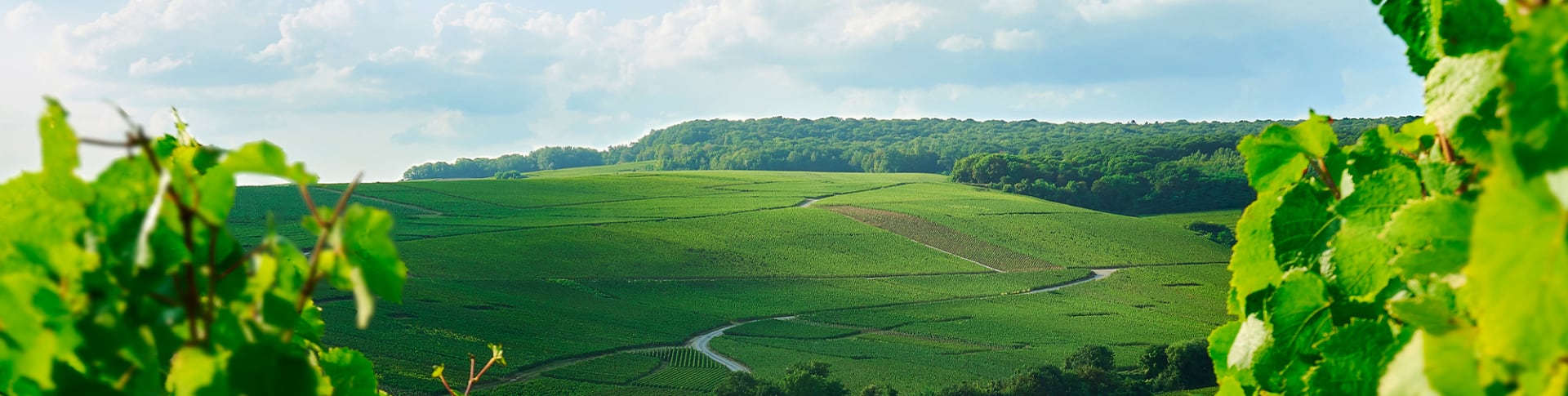
Associated with luxury, celebration, and romance, the region, Champagne, is home to the world’s most prized sparkling wine. In order to bear the label, ‘Champagne’, a sparkling wine must originate from this northeastern region of France—called Champagne—and adhere to strict quality standards. Made up of the three towns Reims, Épernay, and Aÿ, it was here that the traditional method of sparkling wine production was both invented and perfected, birthing a winemaking technique as well as a flavor profile that is now emulated worldwide.
Well-drained, limestone and chalky soil defines much of the region, which lend a mineral component to its wines. Champagne’s cold, continental climate promotes ample acidity in its grapes but weather differences from year to year can create significant variation between vintages. While vintage Champagnes are produced in exceptional years, non-vintage cuvées are produced annually from a blend of several years in order to produce Champagnes that maintain a consistent house style.
With nearly negligible exceptions, . These can be blended together or bottled as individual varietal Champagnes, depending on the final style of wine desired. Chardonnay, the only white variety, contributes freshness, elegance, lively acidity and notes of citrus, orchard fruit and white flowers. Pinot Noir and its relative Pinot Meunier, provide the backbone to many blends, adding structure, body and supple red fruit flavors. Wines with a large proportion of Pinot Meunier will be ready to drink earlier, while Pinot Noir contributes to longevity. Whether it is white or rosé, most Champagne is made from a blend of red and white grapes—and uniquely, rosé is often produce by blending together red and white wine. A Champagne made exclusively from Chardonnay will be labeled as ‘blanc de blancs,’ while ones comprised of only red grapes are called ‘blanc de noirs.’