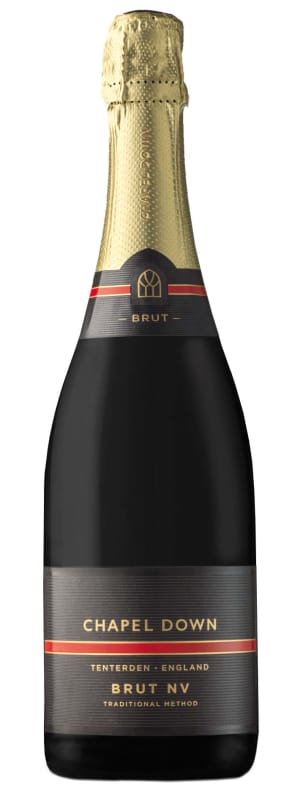


Winemaker Notes
The classic English sparkling wine, a fantastic alternative to champagne. Elegant aromas of red apple, lemongrass and freshly baked bread together with hints of strawberry, citrus and quince on the palate. Crisp and fresh with lively acidity and fine persistent bubbles.
Chapel Down Brut is great as an aperitif or a perfect pairing to salads, white meat and seafood such as the British classic - fish and chips.
Professional Ratings
-
Decanter
Smooth and ripe, with intense red fruit character. Crisp citrus and orchard fruits on the palate, with some toasty complexity.
-
Wilfred Wong of Wine.com
The Chapel Down Brut shows a light straw hue with a fine, persistent mousse. The aromas reveal subtle complexity, with hints of brioche, citrus, and a touch of minerality from bottle age. On the palate, it is bright and refreshing, offering a crisp texture and a savory undertone that lingers gracefully on the finish. A splendid match with Dorset Rock Oysters, lightly grilled and served with a shallot vinegar, where the wine’s vibrancy and finesse beautifully highlight the oysters’ briny freshness. (Tasted: October 10, 2025, San Francisco, CA)


A term typically reserved for Champagne and Sparkling Wines, non-vintage or simply “NV” on a label indicates a blend of finished wines from different vintages (years of harvest). To make non-vintage Champagne, typically the current year’s harvest (in other words, the current vintage) forms the base of the blend. Finished wines from previous years, called “vins de reserve” are blended in at approximately 10-50% of the total volume in order to achieve the flavor, complexity, body and acidity for the desired house style. A tiny proportion of Champagnes are made from a single vintage.
There are also some very large production still wines that may not claim one particular vintage. This would be at the discretion of the winemaker’s goals for character of the final wine.

The limestone soils of England’s southern end have proven ideal for the production of British sparkling wine. While it might seem too damp and cold for grape growing in England, recent warm summers and the onset of global warming signify great future growth for the British wine industry.