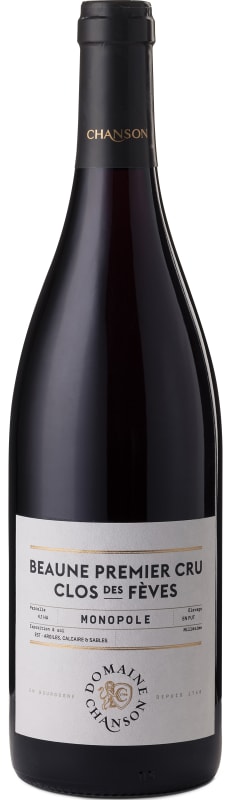


Winemaker Notes
Bright ruby color. Aromas of red berries (raspberries, strawberries and cherries) mixed with white pepper. Well-balanced and complex with a good energy. Refined, deep and precise texture. Elegant tannins and delicate oak note. Beautiful terroir expression. Long and fruity finish with light spicy notes.
Professional Ratings
-
James Suckling
Generous, fleshy, fruit-driven aromas supported by savory undertones and a floral touch. The palate is refined and focused, with mouthwatering tannins, bright acidity and a lovely texture. Can be enjoyed young, but has great aging potential. Drink or hold.
-
Jasper Morris
A slightly more sombre ruby crimson. This has broad shoulders and muscles and a bit of spice to finish. The fruit is darker but the wine is coherent, and delivers a Clos des Fèves which will grow in bottle. A little point of acidity comes out behind. Drink from 2030-2038. Tasted Oct 2024.
Barrel Sample: 90-93 -
Vinous
The 2023 Beaune Clos des Fèves 1er Cru comes from the 4.1-hectare monopole. This is quite powerful on the nose with a mixture of red and black fruit, sous-bois and subtle tobacco scents. Fresh and sapid, The palate is medium-bodied with fine tannins and a harmonious finish. The best of Chanson's red Beaune Premier Crus, this should give several years' drinking pleasure.
Barrel Sample: 90-92 -
Wine Enthusiast
The nose is mineral-laden, accented by soft rose petal aromas, offering a classic expression. The gentle palate features soft red fruits, a hint of iodine, and abundant salty stone minerality. This gorgeous wine pairs beautifully with deep umami flavors, making it an excellent companion for teriyaki and soy-based dishes.


Thin-skinned, finicky and temperamental, Pinot Noir is also one of the most rewarding grapes to grow and remains a labor of love for some of the greatest vignerons in Burgundy. Fairly adaptable but highly reflective of the environment in which it is grown, Pinot Noir prefers a cool climate and requires low yields to achieve high quality. Outside of France, outstanding examples come from in Oregon, California and throughout specific locations in wine-producing world. Somm Secret—André Tchelistcheff, California’s most influential post-Prohibition winemaker decidedly stayed away from the grape, claiming “God made Cabernet. The Devil made Pinot Noir.”

While the city represents the epicenter of wine production in Burgundy, the term, “Beaune” also refers to the specific sub-appellation of the greater Côte de Beaune, whose vineyards climb up the pastoral slopes that border the city to its west. Originally founded as a Roman camp by Julius Caesar, the city of Beaune eventually became the seat of the dukes of Burgundy until the 13th century. Today it is home to top négociants such as Louis Jadot, Joseph Drouhin, Louis Latour, and Bouchard Père et Fils.
The appellation, dominated by Pinot Noir plantings, represents a lovely and charming place to begin to understand red Burgundy. Its sandy soils create light and supple, floral driven Pinot Noir. These wines are designed to be enjoyed within five to 10 years. The vineyards of Beaune span a broad swath of Premier Crus from Savigny-lès-Beaune to its border with Pommard.
Chardonnay acreage here has been increasing here in the more recent years.