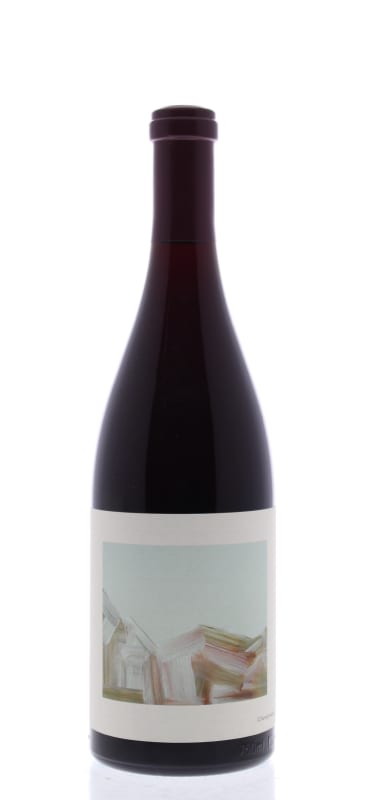


Winemaker Notes
Professional Ratings
-
Wine Enthusiast
Gavin Chanin's take on this vineyard shows lots of dark but never heavy spice on the nose, with bergamot, white sage and damp eucalyptus forest complementing the raspberry fruit. The palate clings to a line of graphite minerality, with cooked raspberry torte and loamy earth flavors leading into a black-tea finish.
-
Wine & Spirits
This sketches a brisk line of red raspberry flavor limned with green, marine scents. It's delicate but persistent, with an energy that feels connected to the vineyard’s spare, sandy soils and the salt-laden winds that sweep through the Santa Rita Hills—light enough for pan-seared cod with black trumpet mushrooms.


Thin-skinned, finicky and temperamental, Pinot Noir is also one of the most rewarding grapes to grow and remains a labor of love for some of the greatest vignerons in Burgundy. Fairly adaptable but highly reflective of the environment in which it is grown, Pinot Noir prefers a cool climate and requires low yields to achieve high quality. Outside of France, outstanding examples come from in Oregon, California and throughout specific locations in wine-producing world. Somm Secret—André Tchelistcheff, California’s most influential post-Prohibition winemaker decidedly stayed away from the grape, claiming “God made Cabernet. The Devil made Pinot Noir.”
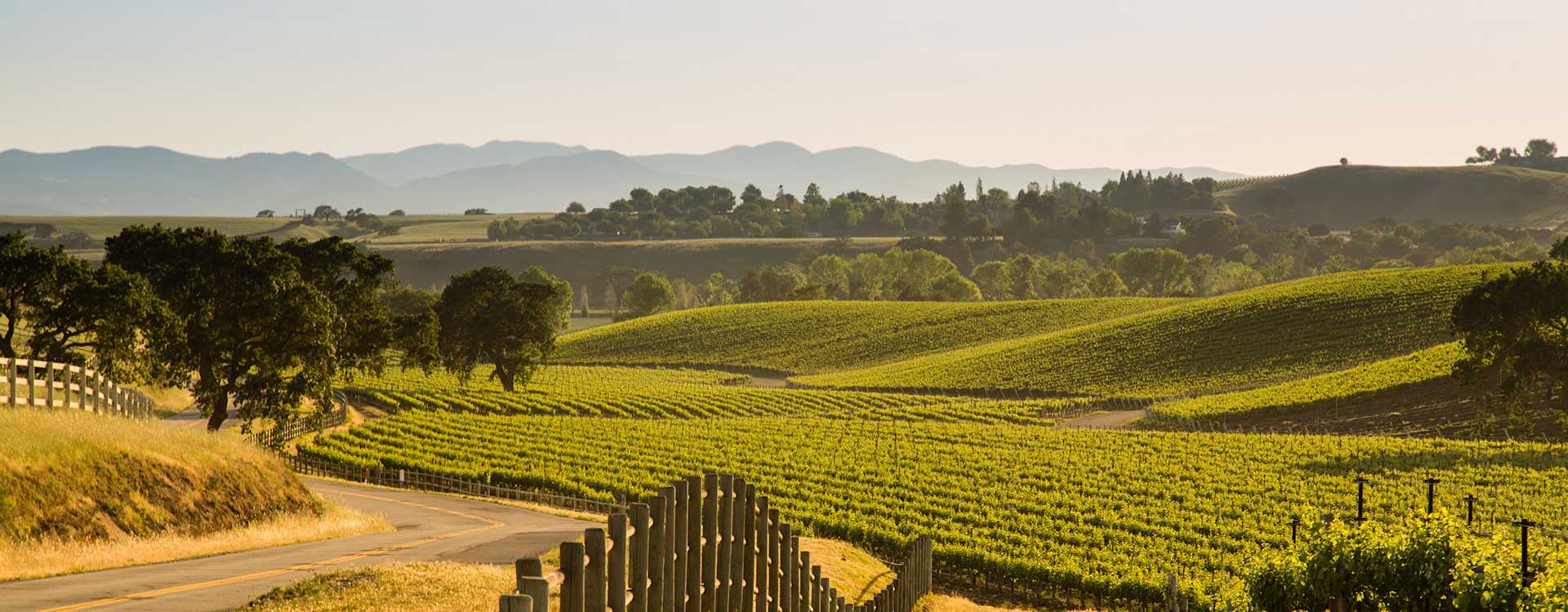
A superior source of California Chardonnay and Pinot Noir, Sta. Rita Hills is the coolest, westernmost sub-region of the larger Santa Ynez Valley appellation within Santa Barbara County. This relatively new AVA is unquestionably one to keep an eye on.
The climate of Sta. Rita Hills is a natural match for Chardonnay and Pinot noir, thanks to the crisp ocean breezes and well-drained, limestone-rich calcareous soil. Here, grapes ripen just enough, while retaining brisk acidity and harmonious balance.