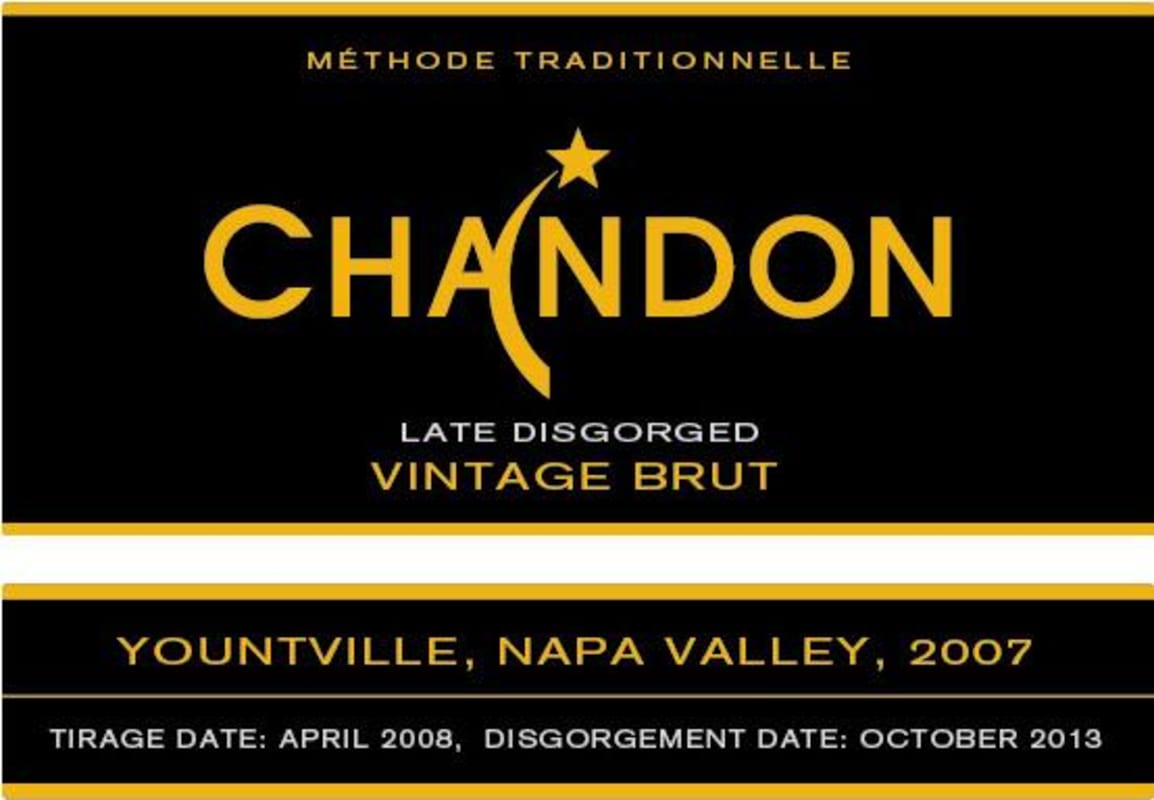

Winemaker Notes





CHANDON is a global community of winemakers, rooted in a domain on which the sun never sets.
They have been crafting exceptional sparkling wines since our founding in 1959 in Mendoza, Argentina. In 60 years of excellence, the pioneering spirit that’s embedded in their DNA has taken them all over the globe to California, Brazil, Australia, China, and India.
CHANDON is now made up of six personalities under one identity, all making outstanding quality wines, united by their shared personality and values. The mission has always been to open a world of possibilities in sparkling wine. It is as relevant today as it was six decades ago.
In the late 1950s, Robert-Jean de Vogüé, a maverick and non-conformist, had the vision, courage, and stamina to redefine luxury sparkling wine. He was convinced that the road less traveled led to an exciting future for quality sparkling wine, so he set off on an epic journey to find unexpected new lands in Argentina. What he found there, in Mendoza–a high-altitude semi-desert in the Andean foothills – was the perfect terroir for pure, expressive, fruit-driven world-class fizz.
He decided his hunch – export the savoir-faire, not the bottles – was right.
And so, it began in 1959, when Maison CHANDON was founded on the tradition of innovation.
CHANDON Argentina, born of Robert-Jean de Vogüé’s original vision, broke ground in 1959 in Mendoza in the Andean foothills. From there, a world of unique sparkling wines opened up.
Napa, California was the next territory to beckon, after Robert-Jean became convinced of the potential of this region for quality sparkling. The idea was considered revolutionary both in France and in America. The United States had always been a minor market for wines and US demand for California sparkling wines even smaller.
CHANDON California was founded in 1973, betting the emergence of a sparkling-wine maker, and began producing under the direction of Dawnine Dyer in terroirs identified by John Wright.
That same year, 1973, Brazil’s Serra Gaúcha was pinpointed. Then in 1986, Yarra Vally was found for CHANDON Australia, and legendary winemaker Tony Jordan was tasked with producing there. CHANDON China arrived on the scene in 2013, in Ningxia, China, the country’s top premium winemaking region. The most recent member of the family is CHANDON India, founded in 2014, in Nashik, Maharashtra.
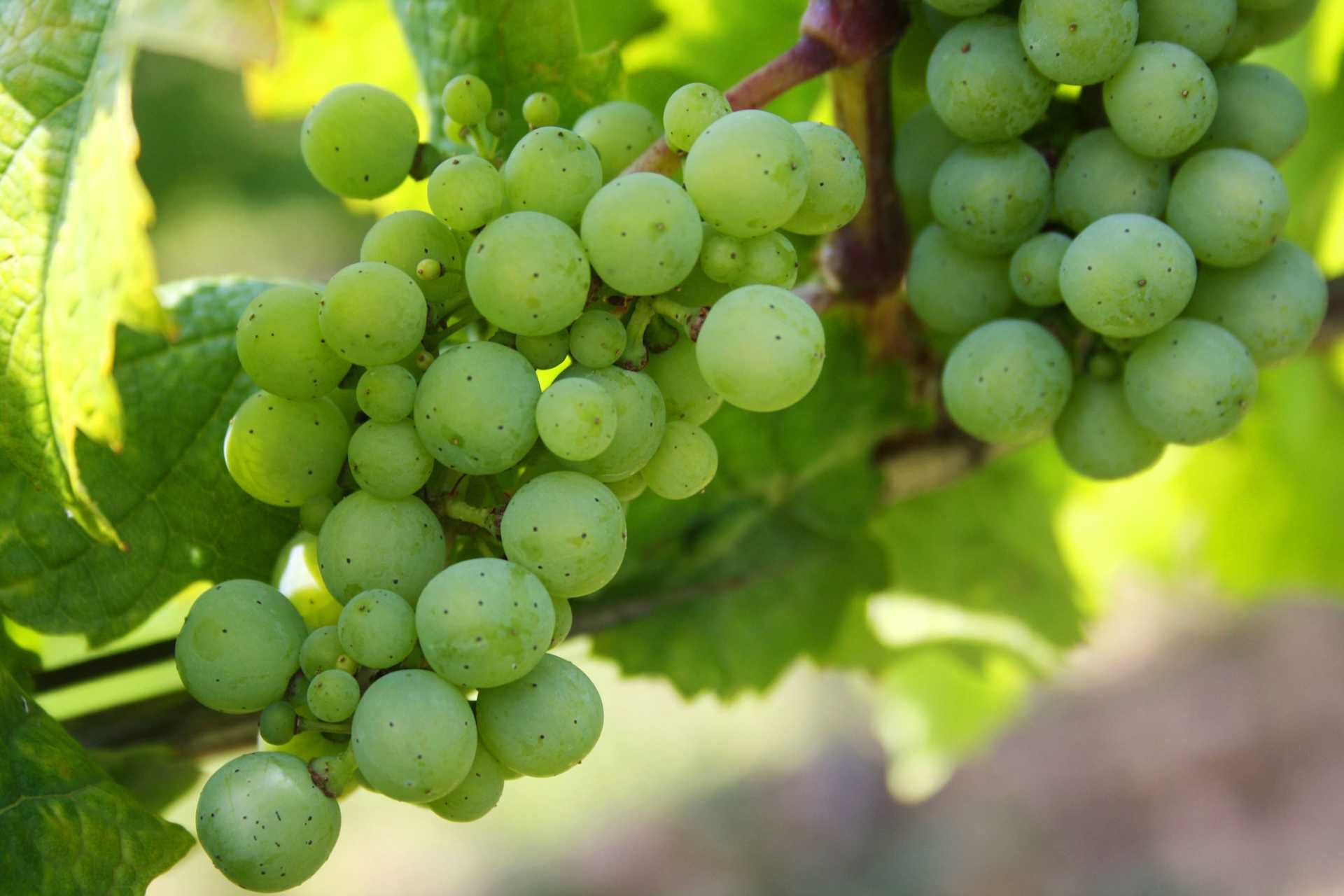
With hundreds of white grape varieties to choose from, winemakers have the freedom to create a virtually endless assortment of blended white wines. In many European regions, strict laws are in place determining the set of varieties that may be used in white wine blends, but in the New World, experimentation is permitted and encouraged. Blending can be utilized to enhance balance or create complexity, lending different layers of flavors and aromas. For example, a variety that creates a soft and full-bodied white wine blend, like Chardonnay, would do well combined with one that is more fragrant and naturally high in acidity. Sometimes small amounts of a particular variety are added to boost color or aromatics. Blending can take place before or after fermentation, with the latter, more popular option giving more control to the winemaker over the final qualities of the wine.

One of Napa Valley's most historic sub-appellations, Yountville spreads through some of the valley's ideal cooler sites and enjoys success with a handful of different and significant grape varieties.
Syrah competes strongly with Cabernet Sauvignon here for optimal vineyard real estate followed by Pinot noir, Pinot blanc and Sauvignon blanc.
This sub-AVA of Napa Valley is rich in the history that makes Napa Valley what it is today, and not just for red wines. Moët & Chandon entered the California winemaking business via Yountville in 1973 with the establishment Domaine Chandon. Their goal has always been to produce top quality méthode champenoise sparkling wines.
Christian Moueix, originally responsible for managing Chateau Petrus and La Fleur-Petrus in Pomerol, arrived in Yountville in the early 1980s. He formed a partnership with Rohin Lail and Marcia Smith, inheritors of Napanook vineyard from their father John Daniel of Inglenook in Rutherford. In 1995 Moueix became sole owner of Napanook and chose the name Dominus, which today produces some of Napa’s highest scoring, age-worthy Bordeaux Blends.