


Winemaker Notes
Professional Ratings
-
Wine Enthusiast
The lime, kiwi, orange and lemon fruit flavors are so delicious, you won't miss the oak accents at all. Its bright, vital acidity makes it shine like polished silver. This is a very good food wine at a reasonable price.
Editors' Choice
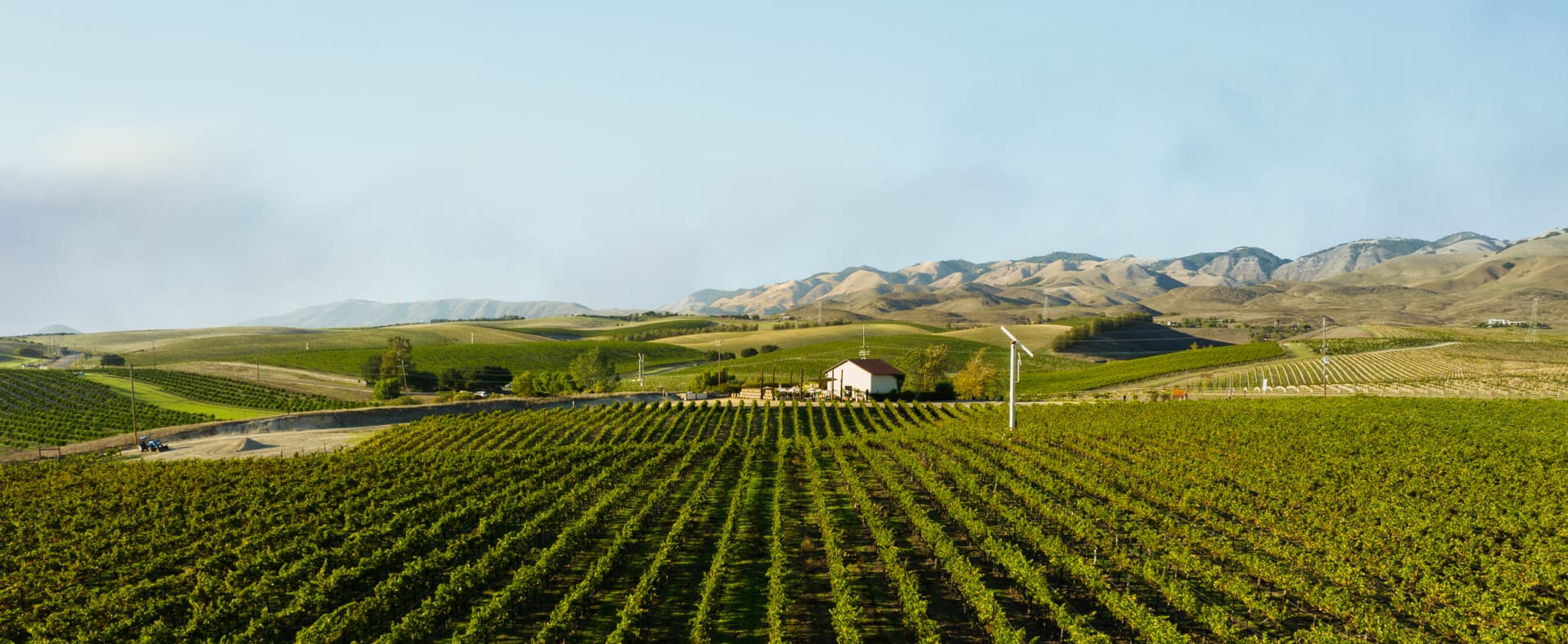




Pioneers in winemaking on the Central Coast, Chamisal Vineyards was the first to plant vineyards in the Edna Valley in 1973. Chamisal is nestled five miles inland from the Pacific Ocean on the rugged California Coast. With the cooling Pacific Ocean nearby, the long temperate growing season extends the amount of time grapes stay on the vine to develop their flavors. This extended hang time paired with the calcareous, clay-rich soil of the property produces fruit with exceptional intensity and complex flavors, often showing a distinctive character that some fondly call "Chamisal Spice."
Chamisal Vineyards has a site-driven approach to winemaking, crafting each wine as an expression of the unique terroir of the vineyards from which it is sourced. When applied to Chardonnay, this approach produces a range of versatile and distinctive wines that range from full-bodied and supple with generous oak influence to lean, elegant and mineral-driven.
In 2010, Chamisal Vineyards became the second winery ever to become SIP (Sustainability in Practice) certified. This program, separate from vineyard certification, requires that winemaking operations also be sustainable and respectful of the environment. They tightly monitor and control the winery’s energy and water use by using solar panels to produce 25 percent of the electrical power needed and implemented a water-recapture system that reclaims 100 percent of Chamisal winery process water for irrigation needs. Chamisal Vineyards has always thrived to protect the environment and their communities. It has become clear to us that the emission of Green House Gases (GHG) not only is the biggest environmental threat, but also that the majority of environmental advances are tied to their ability to emit less GHG. They have embarked on a fundamental transformation of how they grow grapes and make wines and have joined international organizations such as the Porto Protocol and the International Wineries for Climate Action (IWCA). They have committed to reduce their GHG emissions by 50% by 2030 and 100% by 2050.

One of the most popular and versatile white wine grapes, Chardonnay offers a wide range of flavors and styles depending on where it is grown and how it is made. While it tends to flourish in most environments, Chardonnay from its Burgundian homeland produces some of the most remarkable and longest lived examples. California produces both oaky, buttery styles and leaner, European-inspired wines. Somm Secret—The Burgundian subregion of Chablis, while typically using older oak barrels, produces a bright style similar to the unoaked style. Anyone who doesn't like oaky Chardonnay would likely enjoy Chablis.
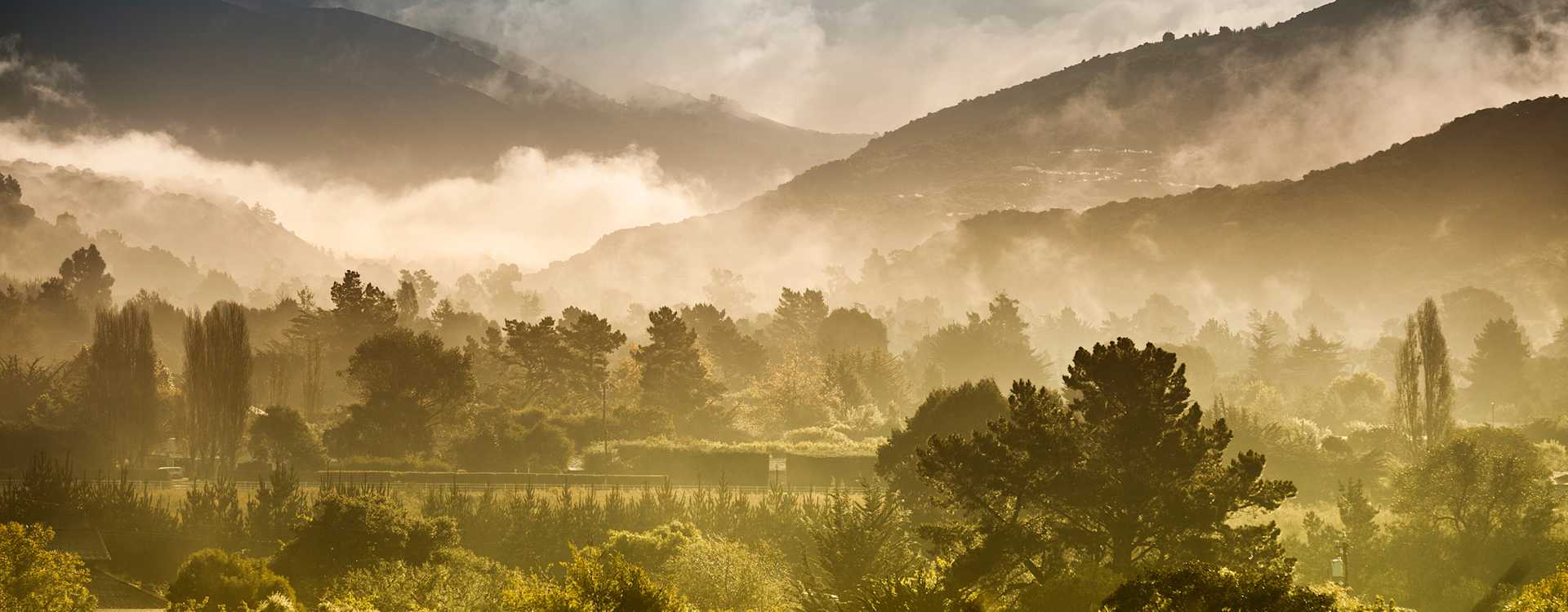
The largest and perhaps most varied of California’s wine-growing regions, the Central Coast produces a good majority of the state's wine. This vast California wine district stretches from San Francisco all the way to Santa Barbara along the coast, and reaches inland nearly all the way to the Central Valley.
Encompassing an extremely diverse array of climates, soil types and wine styles, it contains many smaller sub-AVAs, including San Francisco Bay, Monterey, the Santa Cruz Mountains, Paso Robles, Edna Valley, Santa Ynez Valley and Santa Maria Valley.
While the Central Coast California wine region could probably support almost any major grape varietiy, it is famous for a few Central Coast reds and whites. Pinot Noir, Chardonnay, Cabernet Sauvignon and Zinfandel are among the major ones. The Central Coast is home to many of the state's small, artisanal wineries crafting unique, high-quality wines, as well as larger producers also making exceptional wines.