
Winemaker Notes
The fruit was pressed gently, and the inoculated juice was fermented in new Francois Freres, Dargaud et Jaegle and Demptos barrels. Fermentation ceased naturally with nearly 15% residual sugar and alcohol slightly over 14%, a natural balance redolent of great Sauternes. The wine was aged sur lies for twelve months in new French oak, then racked and aged for an additional fifteen months. It was bottled unfined following a light filtration for clarification.
Professional Ratings
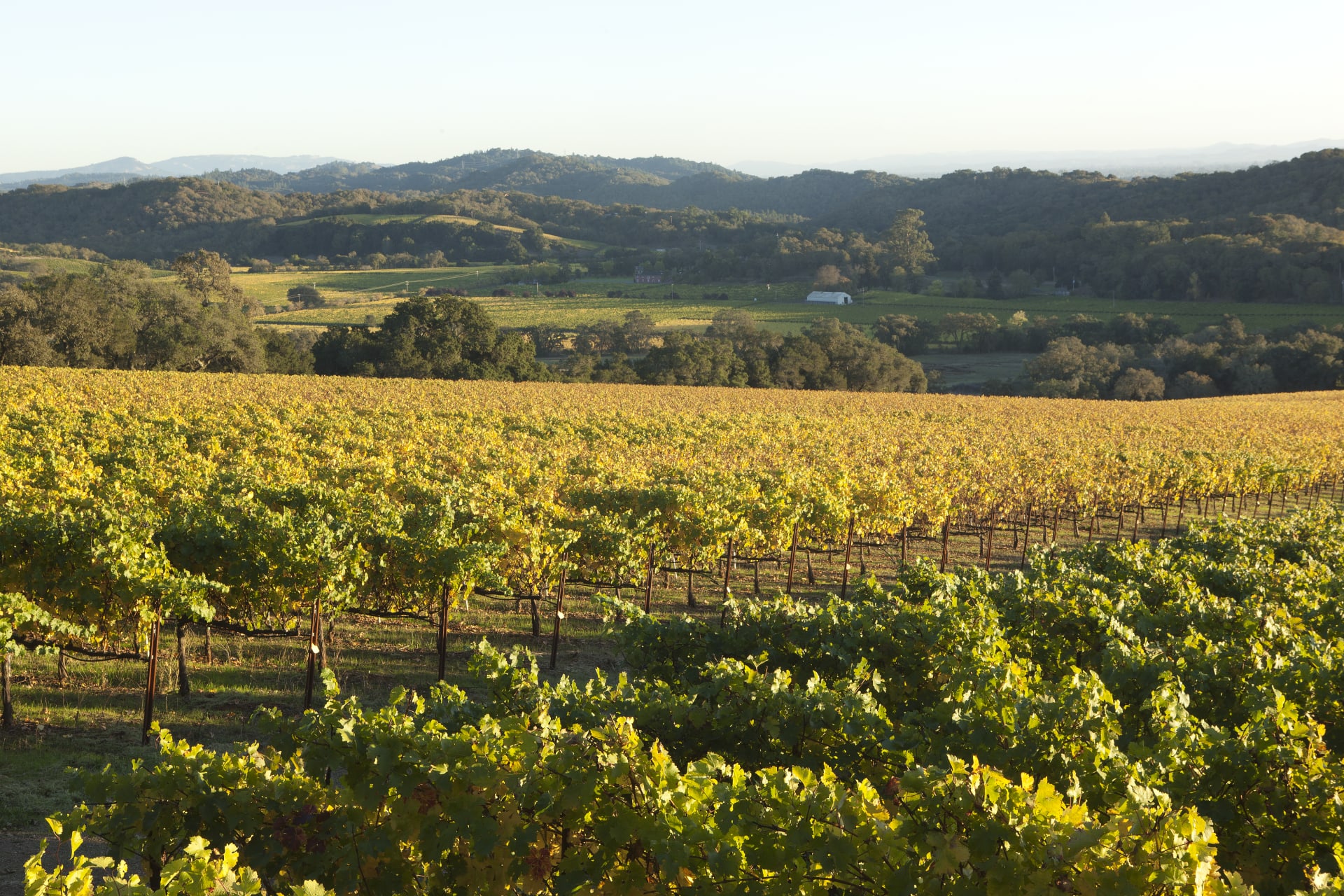




Perhaps no other winery captures the casual luxury of Sonoma County better than Chalk Hill Estate. Founded nearly four decades ago, this spectacular 1300-acre property features 300 acres of vineyards, wilderness areas, winery, hospitality center, culinary garden, residence, stables, equestrian pavilion, sports fields, fishing and swimming ponds, and guest houses.
The winery's vineyards are thoughtfully woven through the native foliage and contoured to fit the intricate terrain. More than two-thirds of the Chalk Hill Estate remains uncultivated. The higher elevations offer stunning views of the Russian River Valley to the west and the Mayacamas Mountains to the east.

Sémillon has the power to create wines with considerable structure, depth and length that will improve for several decades. It is the perfect partner to the vivdly aromatic Sauvignon Blanc. Sémillon especially shines in the Bordeaux region of Sauternes, which produces some of the world’s greatest sweet wines. Somm Secret—Sémillon was so common in South Africa in the 1820s, covering 93% of the country’s vineyard area, it was simply referred to as Wyndruif, or “wine grape.”
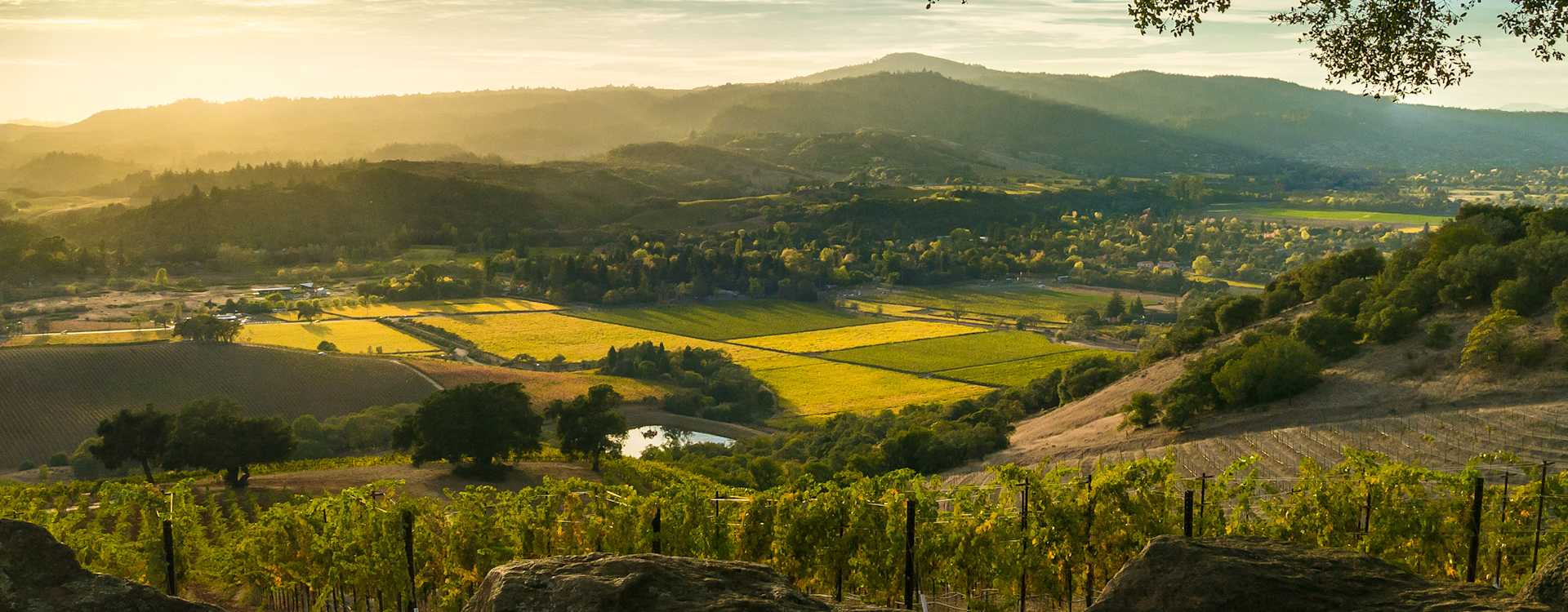
Home to a diverse array of smaller AVAs with varied microclimates and soil types, Sonoma County has something for every wine lover. Physically twice as large as Napa Valley, the region only produces about half the amount of wine but boasts both tremendous quality and variety. With its laid-back atmosphere and down-to-earth attitude, the wineries of Sonoma are appreciated by wine tourists for their friendliness and approachability. The entire county intends to become a 100% sustainable winegrowing region by 2019.
Sonoma County wines are produced with carefully selected grape varieties to reflect the best attributes of their sites—Dry Creek Valley’s consistent sunshine is ideal for Zinfandel, while the warm Alexander Valley is responsible for rich, voluptuous red wines like Cabernet Sauvignon. Chardonnay and Pinot Noir are important throughout the county, most notably in the cooler AVAs of Russian River, Sonoma Coast and Carneros. Sauvignon Blanc, Merlot and Syrah have also found a firm footing here.