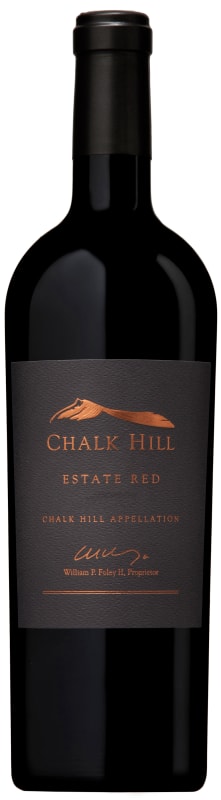


Winemaker Notes
Intense aromas of blackberry, anise, tobacco leaf and dark chocolate. The palate is rich and savory, with layered flavors of black cherry, dark chocolate, and leather with oak influences of vanilla and toast.
47% Cabernet Sauvignon, 37% Malbec, 9% Petit Verdot, 7% Merlot
Professional Ratings
-
Tasting Panel
The silky entry of this blend of 47% Cabernet Sauvignon, 37% Malbec, 9% Petit Verdot, and 7% Merlot glides into luscious black fruit and jasmine before minerality coated in dark chocolate, sandalwood, and licorice chimes in.
-
Robert Parker's Wine Advocate
The 2016 Estate Red is a blend of 47% Cabernet Sauvignon, 37% Malbec, 9% Petit Verdot and 7% Merlot. Deep ruby-purple, it's scented of pencil lead, cedar, cassis, maraschino cherry, cigar box and chocolate with touches of cardamom and dried spices. The palate is medium to full-bodied and lushly fruited, with a firm frame of very ripe, grainy tannins and just enough freshness, finishing long. 4,998 cases produced.
-
Wine Enthusiast
This blend of 47% Cabernet Sauvignon, 37% Malbec, 9% Petit Verdot and 7% Merlot is concentrated and rich. The full-bodied palate is built by thick tannins, with flavors of earthy dried herb and blackberry jam that linger on the finish.
-
Wine Spectator
Offers a burst of plum and black cherry compote flavors, backed by licorice notes and a hint of blueberry cobbler. Maintains an ebullient profile through the polished, moderately toasted and accessible finish. Cabernet Sauvignon, Malbec, Petit Verdot and Merlot. Drink now through 2022.
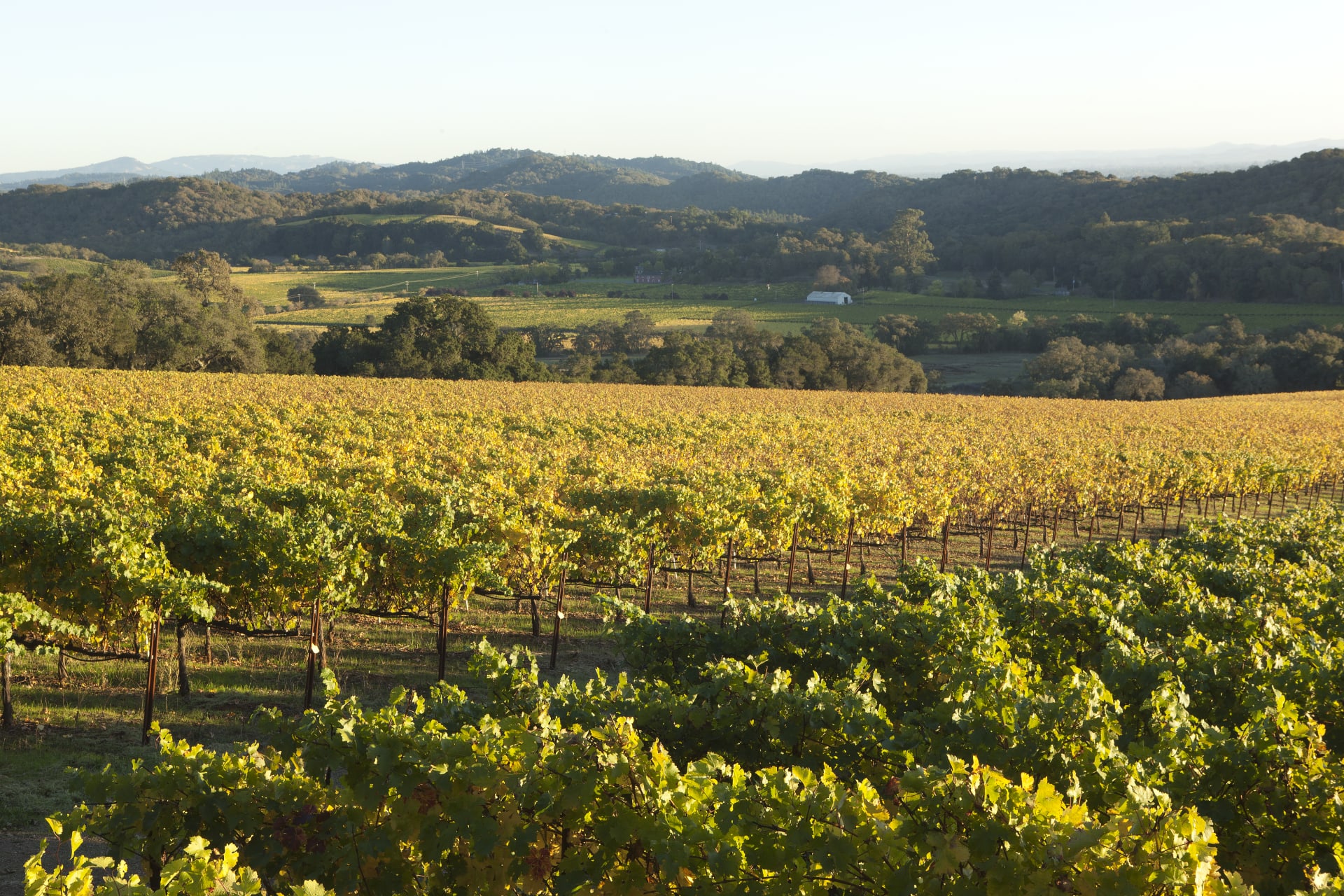




Perhaps no other winery captures the casual luxury of Sonoma County better than Chalk Hill Estate. Founded nearly four decades ago, this spectacular 1300-acre property features 300 acres of vineyards, wilderness areas, winery, hospitality center, culinary garden, residence, stables, equestrian pavilion, sports fields, fishing and swimming ponds, and guest houses.
The winery's vineyards are thoughtfully woven through the native foliage and contoured to fit the intricate terrain. More than two-thirds of the Chalk Hill Estate remains uncultivated. The higher elevations offer stunning views of the Russian River Valley to the west and the Mayacamas Mountains to the east.

One of the world’s most classic and popular styles of red wine, Bordeaux-inspired blends have spread from their homeland in France to nearly every corner of the New World. Typically based on either Cabernet Sauvignon or Merlot and supported by Cabernet Franc, Malbec and Petit Verdot, the best of these are densely hued, fragrant, full of fruit and boast a structure that begs for cellar time. Somm Secret—Blends from Bordeaux are generally earthier compared to those from the New World, which tend to be fruit-dominant.
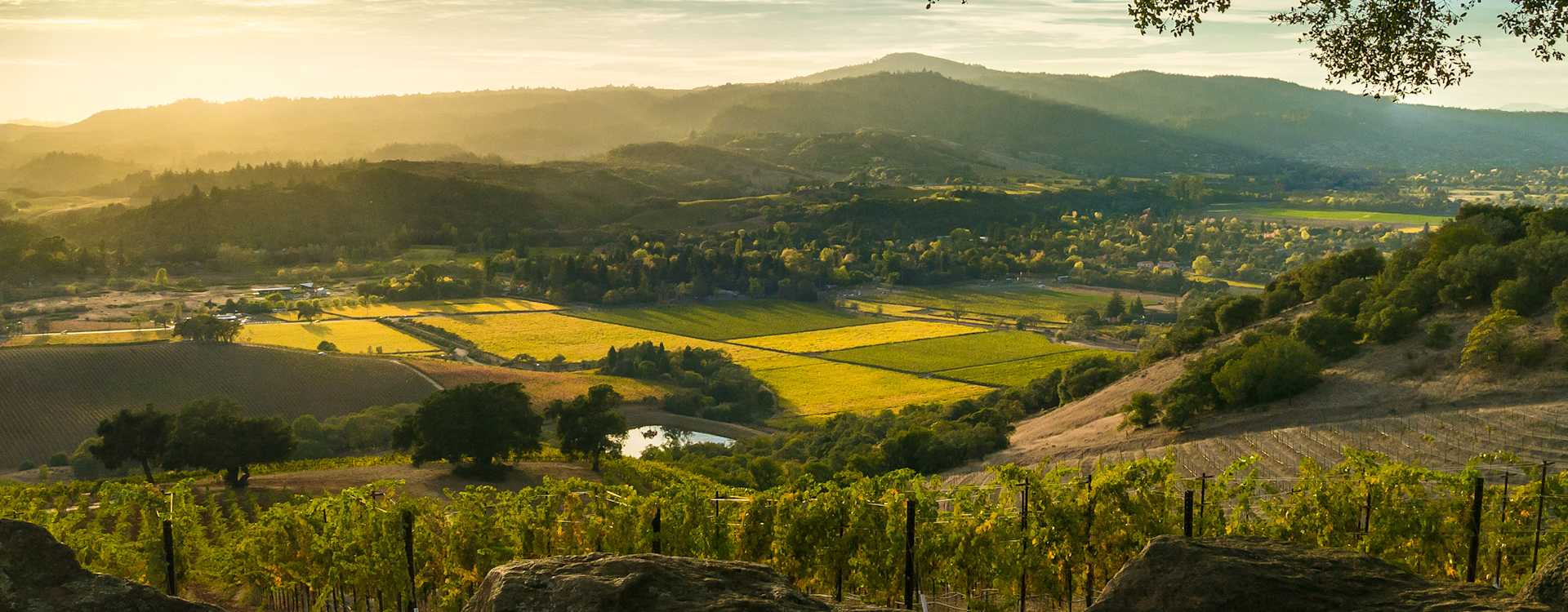
A Sonoma sub-appellation whose boundaries cover the northeastern corner of the Russian River Valley AVA, the Chalk Hill growing area is named after its unique chalky and white, volcanic ash soils. This terrain has proven successful with white varieties, namely Chardonnay and Sauvignon blanc.