
Winemaker Notes
The warm 1997 vintage provided an ideal ripening environment for our old vine Cabernet at Chalk Hill. The majority of the fruit was harvested during the first two weeks of October after a lengthy, steady ripening season interrupted only briefly by August El Niño rains. Clusters were large but berries small, resulting in reasonable vineyard yields and concentrated flavors, an optimal combination which characterized the vintage as a whole.
Traditional techniques, including native yeast fermentations, ageing in French oak, malolactic in barrel, blending with small amounts of other Bordeaux varieties, and quarterly rackings, revealed the quintessential characters of Chalk Hill Cabernet.
"Ruby-red. Highly aromatic, fruity aromas of red- and blackcurrant, tobacco, leather, gunflint and graphite, along with floral and minty nuances. Big, lush and fruity; flavors are a bit cooler than those of the '96. Finishes with very suave, harmonious tannins and impressive persistence. A strong showing for these vintages."
-International Wine Cellar
Professional Ratings
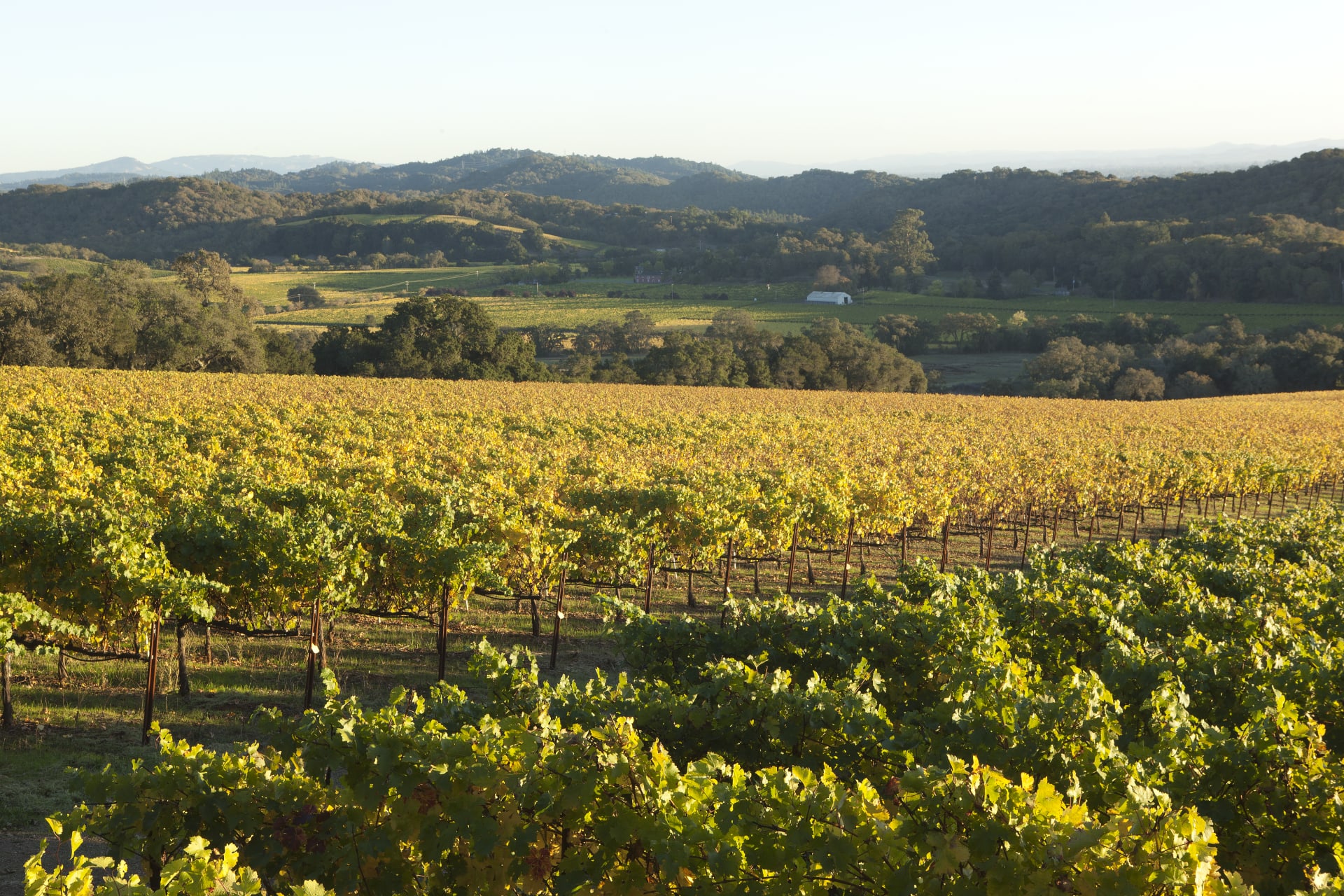



Perhaps no other winery captures the casual luxury of Sonoma County better than Chalk Hill Estate. Founded nearly four decades ago, this spectacular 1300-acre property features 300 acres of vineyards, wilderness areas, winery, hospitality center, culinary garden, residence, stables, equestrian pavilion, sports fields, fishing and swimming ponds, and guest houses.
The winery's vineyards are thoughtfully woven through the native foliage and contoured to fit the intricate terrain. More than two-thirds of the Chalk Hill Estate remains uncultivated. The higher elevations offer stunning views of the Russian River Valley to the west and the Mayacamas Mountains to the east.

While Sonoma County is acclaimed—and rightfully so—for its Chardonnays, Pinot Noirs, and Zinfandels, it also produces exceptional Cabernet Sauvignon. Of the region’s 18 American Viticultural Areas, only a handful produce top-notch Cabernet Sauvignon. These appellations include Alexander Valley, Knights Valley, Sonoma Valley and Dry Creek Valley. Sonoma Cabernet Sauvignons made in these appellations can offer a complex array of aromas and flavors. Fruit notes such as blackberry, blackcurrant, cassis, black cherry and raspberry often are accompanied by hints of graphite, dusty earth, cigar box, toast and vanilla. The varietal has a rich history in Sonoma, and some of these Cabernet Sauvignons and Cabernet-based blends rival the best from Napa Valley.