
Winemaker Notes
Professional Ratings
-
Wine & Spirits
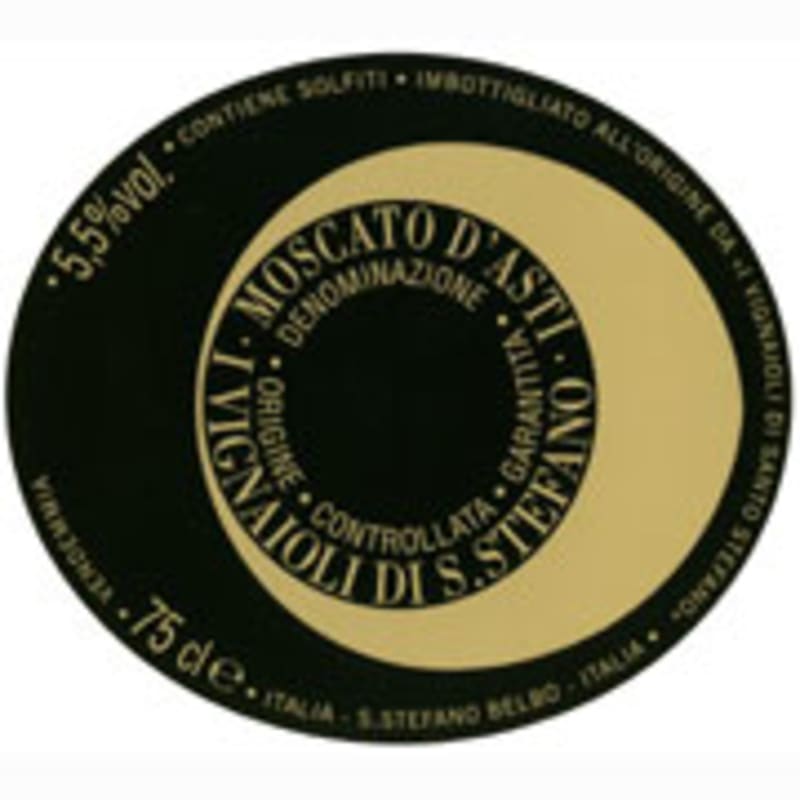
A rich, honeyed style of moscato, this combines ripe pear and apple notes with scents of acacia. it's forward and fine, with a lasting freshness; pair it with a apple tart.
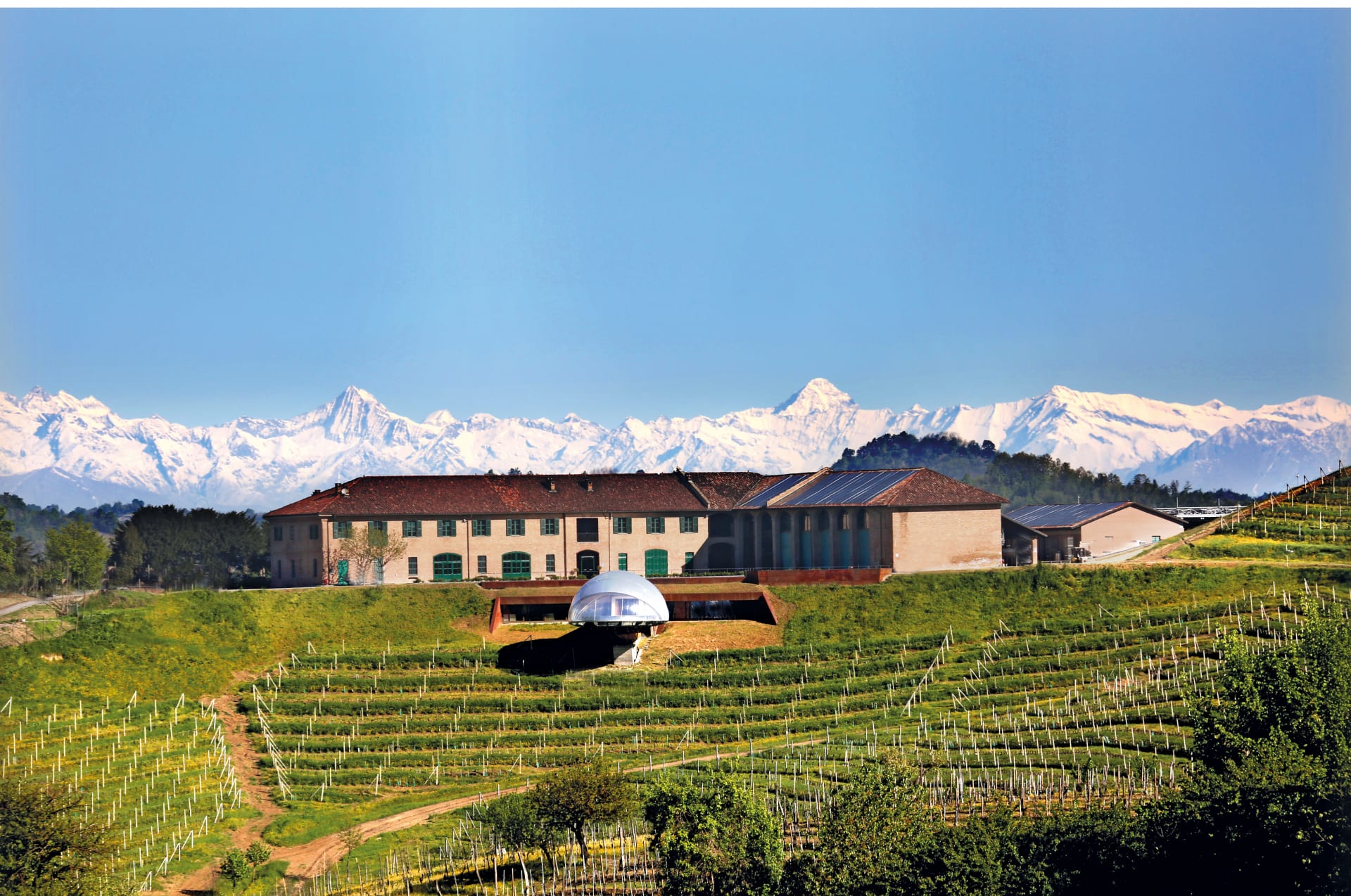




"The Langhe hills of Piedmont constitute that area of northern Italy where the wide and flat Pò river valley suddenly disappears and gives way on all sides to hulking and precipitous slopes. The Langhe hills are more than hills. They are ancient and rugged earth. Their narrow peaks are topped by castles, and they are thick to the horizon with grapevines. The Langhe hills are home to a small group of farmers and winemakers who, together, have succeeded in creating some of the planet’s finest expressions of place.
The Ceretto family is among that fortunate group. For three generations members of the Ceretto family have transformed the fruit of the Langhe’s vineyards into wines that speak of the regions identity. The famed Italian gastronome and intellectual Luigi Veronelli wrote, ""The land, the land, the land, the land, always, the land."" This philosophy is central to the Ceretto family. Reverence for this land has passed from Riccardo, who blended fruit from the region’s best vineyards, to Bruno and Marcello, who purchased Langhe vineyards and began bottling single crus, and finally to Alessandro, who is taking the winery into the 21st century by using natural methods to foster vines that are stronger, healthier, and more in balance with their environment. The Ceretto family has always been committed to producing the most expressive and authentic wines their land can yield."

While Muscat comes in a wide range of styles from dry to sweet, still to sparkling and even fortified, it's safe to say it is always alluringly aromatic and delightful. The two most important versions are the noble, Muscat Blanc à Petits Grains, making wines of considerable quality and Muscat of Alexandria, thought to be a progeny of the former. Somm Secret—Pliny the Elder wrote in the 13th century of a sweet, perfumed grape variety so attractive to bees that he referred to it as uva apiana, or “grape of the bees.” Most likely, he was describing Muscat.

Recognized as the source of the best Barbera in all of Italy, Asti is a province (as well as major city) in Piedmont, consisting of a gentle, rolling landscape with vineyards, farmland and forests alternating throughout.
Barbera d’Asti can be made in an array of styles from relatively straightforward, fruity and ready for consumption early, to the more concentrated, oak aged version with an ability to cellar impressively for 10-15 years and beyond. Some of the very best sites for Barbera in Asti are concentrated in the subzone of Nizza Monferrato. Other red varieties grown here include Freisa, Grignolino and Dolcetto, which can be bottled varietally or blended into Barbera.
Historically consumers commonly associated the Asti region with Asti Spumante and Moscato d’Asti, both playful, aromatic, sparkling wines made from the Muscat grape. Asti Spumante is less sweet, fully fizzy and more alcoholic (yet still clocking in at only around 9% alcohol) while Moscato d’Asti is sweeter, gently sparkling (“frizzante”) and closer to 5 or 6% alcohol. Each is produced in stainless steel tanks to preserve the fresh and fruity flavors of the grape, often including peach, apricot, lychee and rose petal. Asti is also the spot for the pink-hued Brachetto d'Acqui, a slightly sparkling wine ready to charm with its raspberry and rose flavors and aromas.